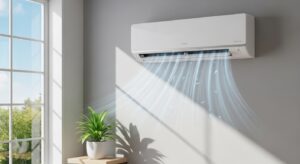
Regular maintenance is the quiet hero behind cool, clean, and consistent comfort in your Illinois home. Because our summers are humid and our shoulder seasons can swing between warm afternoons and cool evenings, the best maintenance plans blend routine homeowner tasks with professional inspections at strategic times of year. This comprehensive checklist walks you through seasonal tasks, component-by-component care, and smart operation strategies so your system runs efficiently and reliably. If you are new to central cooling or are adopting a proactive approach, start with the fundamentals of air conditioning and then build a schedule you can stick to throughout the year.
Why Maintenance Matters in Illinois
In humid climates like much of Illinois, clean coils, proper airflow, and reliable drainage make the difference between a stable indoor environment and rooms that feel clammy or inconsistent. Dirt buildup and high static pressure force equipment to work harder, which shortens lifespan and can lead to inconvenient breakdowns during heat waves. A systematic maintenance plan targets the parts of your system that control heat transfer, moisture removal, and airflow—all three are necessary for comfort.
Seasonal Maintenance Roadmap
- Early Spring Start-Up (March–April): Inspect filters, test thermostat, clear the outdoor unit, verify drainage, and schedule a professional tune-up before the first hot spell.
- Peak Summer Check (June–July): Recheck filters, rinse the outdoor coil if needed, confirm dehumidification settings, and verify that every room is receiving adequate airflow.
- Late Summer Review (August): As humidity peaks, ensure the condensate system is clear, confirm setpoints, and listen for unusual noises that might indicate a failing fan motor or refrigerant issue.
- Fall Wrap-Up (September–October): Clean or replace filters, inspect ducts and grilles ahead of heating season, and note any comfort issues to discuss during your next service visit.
Your Core Checklist
Filters
- Inspect Monthly in Season: Dust, pet hair, and renovation debris clog filters and reduce airflow.
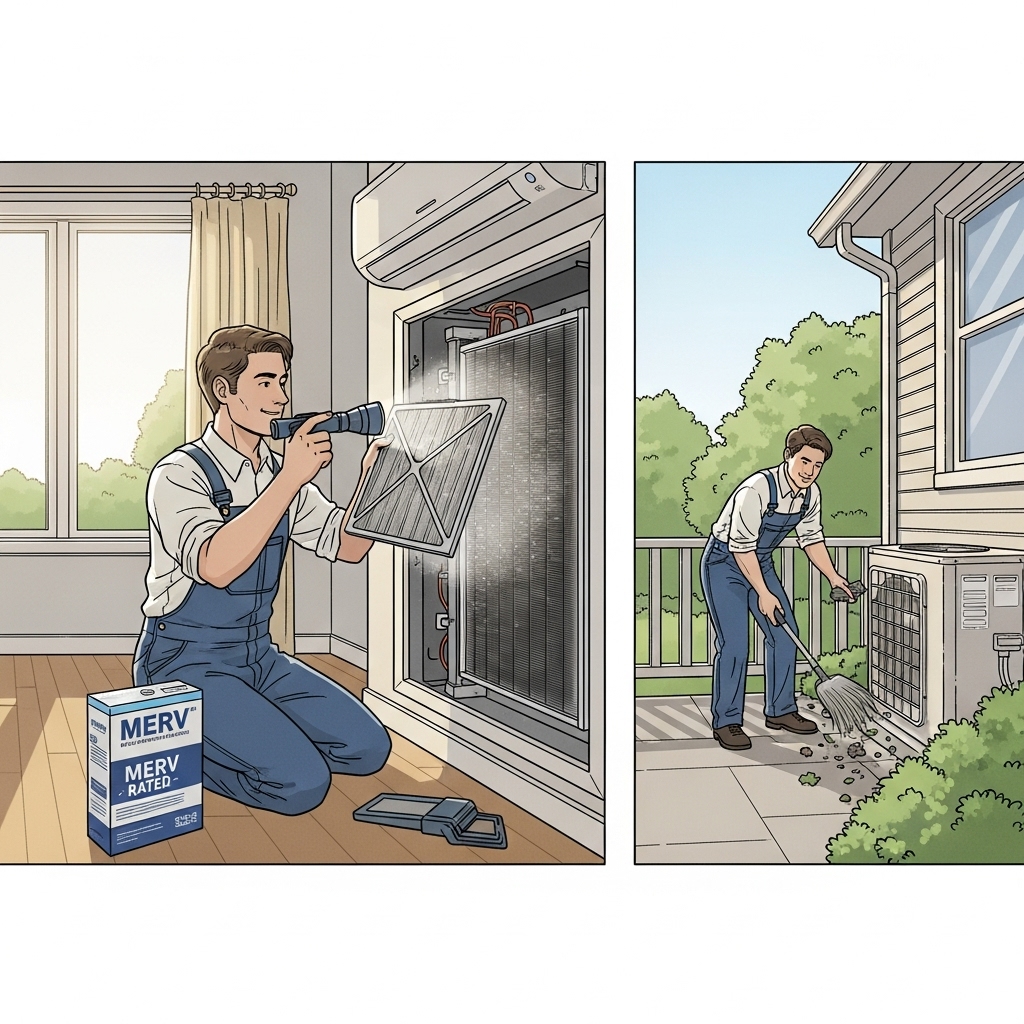
- Replace on Condition: Choose a MERV rating that balances capture efficiency with airflow; higher is not always better for older duct systems.
- Seal the Filter Rack: Gaps allow air to bypass the filter, depositing dust on the coil and inside ducts.
Thermostat and Controls
- Verify Modes and Schedules: Cooling mode should engage properly, with accurate time-of-day schedules to avoid waste.
- Calibrate if Needed: Compare thermostat readings with a trusted digital thermometer placed nearby, out of direct sunlight.
- Dehumidify-on-Demand: If your thermostat supports it, enable this feature to allow longer, lower-speed cycles that remove more moisture.
Indoor Coil and Blower
- Visual Inspection: With power off, look for dust or biological growth near the coil housing. If visible, request professional coil cleaning.
- Blower Wheel Cleanliness: Sooty or dusty blades reduce CFM and increase energy use.
- Drain Pan Condition: Verify slope toward the drain and a clean, intact pan with no rust-through.
Condensate Drainage
- Trap and Line: The trap must be clean and properly configured. Flush with clean water; consider adding a maintenance tablet designed for HVAC drains.
- Float Switches: Test operation to ensure the system shuts off before overflow in case of blockage.
- Secondary Protection: If the unit is in an attic or living space, verify a secondary pan and overflow sensor are installed and functional.
Outdoor Condenser
- Clearance: Maintain at least two feet of clearance. Trim shrubs and relocate items that block airflow.
- Coil Cleaning: Rinse gently from the inside out after removing the top grille when power is off. Avoid high pressure that can bend fins.
- Level and Vibration: Confirm the pad is level and the unit is stable. Address rattles or vibrations promptly.
Ductwork and Grilles
- Supply and Return Pathways: Make sure large furniture or rugs are not blocking airflow.
- Duct Sealing: Look for visible leaks, old tape, or disconnected runs in basements and attics; request professional sealing with mastic.
- Balancing Dampers: Adjust for even temperatures. Record damper positions seasonally if needed.
Electrical and Safety
- Disconnect and Breaker: Inspect for corrosion or heat discoloration. Ensure the disconnect is accessible.
- Wiring and Lugs: Loose connections cause voltage drop and heat. Have a pro retorque to spec during tune-ups.
- Capacitors and Contactors: These wear parts often fail in peak season; request testing during professional service.
Performance Checks You Can Observe
- Temperature Split: Measure supply versus return temperature with a simple thermometer. A typical cooling split may range around 15–20°F, but verify against your system’s specs.
- Sound and Vibration: New noises often precede failures. Note conditions when they occur (time of day, cycle start, or shutdown).
- Humidity Feel: Sticky rooms suggest insufficient runtime, poor airflow, or a condensate problem. Try a lower fan speed or consult about thermostat dehumidification features.
Pro Tune-Up Essentials
- Airflow Measurement: Confirm total external static pressure and blower CFM align with design.
- Refrigerant Charge Verification: Fine-tune by superheat/subcooling per manufacturer charts.
- Electrical Testing: Measure amperage, voltage, and capacitors against specifications.
- Coil Inspection and Cleaning: Clean indoor and outdoor coils as needed for heat transfer.
- Drain Service: Clear lines, confirm trap design, and test float switches.
- Documentation: Request a written report with readings, adjustments, and recommendations.
Managing Humidity in Illinois
Because summers can be muggy, focus on moisture removal as part of your maintenance plan. Ensure your system has adequate runtime at lower blower speeds to condense moisture effectively. Keep the coil clean, maintain the trap, and consider dedicated dehumidification only if your home’s envelope or occupancy patterns demand it. You can often solve humidity issues with proper airflow and controls before adding equipment.
Indoor Air Quality Enhancements
- Filtration Upgrades: Choose filters with the right MERV rating and ensure a tight seal.
- Source Control: Address moisture intrusion, kitchen and bath exhaust, and air sealing to reduce contaminants.
- Ventilation: For tighter homes, balanced ventilation can steady humidity and improve comfort.
Preventing Breakdowns
- Stay on Schedule: Put filter changes and outdoor coil rinsing on your calendar.
- Record Readings: Keep a simple log of temperature splits, humidity levels, and any tripped safeties.
- Respond Quickly: Address unusual noises, odors, or frequent cycling before they become failures.
Mid-Season Optimization
During long heat waves, revisit damper positions and thermostat schedules. If the home feels clammy, consider a slightly lower fan speed and verify that the coil is clean. If certain rooms lag, it could be a duct balancing issue or a return air shortage. Document what you observe so your technician can make precise adjustments at the next visit. Homeowners who want to go deeper often explore advanced controls and the latest options in air conditioning to achieve steadier temperatures and better humidity control without a full system replacement.
FAQs
Q: How often should I change my filter?
A: Check monthly during cooling season and replace when dirty. Homes with pets or high dust loads may need more frequent changes.
Q: Is coil cleaning a DIY task?
A: Light rinsing of the outdoor coil can be DIY with power disconnected. Indoor coil cleaning is best left to professionals to avoid damage and ensure access and reassembly are correct.
Q: What temperature split should I expect?
A: A common range is around 15–20°F, but your system’s exact design, airflow, and humidity will influence readings. Compare against manufacturer guidelines.
Q: How can I reduce humidity without overcooling?
A: Use dehumidify-on-demand features, lower blower speeds during cooling, ensure proper charge and coil cleanliness, and seal ducts. Consider dedicated dehumidification only after optimization.
Q: Do smart thermostats help?
A: Yes—when properly configured. They can maintain steady temperatures, optimize runtime, and support dehumidification strategies.
Make Your Next Season Your Best Yet
A reliable system is the result of small, consistent habits. Follow this checklist, document your observations, and partner with a qualified technician for pre-season tune-ups. With a clean coil, clear drain, correct charge, and balanced airflow, you will enjoy quieter operation, better humidity control, and fewer surprises when the weather turns. When you are ready to align your schedule, book a professional visit and explore service options to keep your air conditioning performing at its best through every Illinois season.