
The Complete AC Installation Checklist for Skokie Homeowners
Turning a hot, sticky summer into a season of consistent indoor comfort starts with a thorough plan. This checklist walks Skokie homeowners through each phase of an air conditioning project so nothing critical is missed. Use it to evaluate proposals, prepare your home, and confirm that the final product has been tested and documented. Begin by understanding what a careful air conditioning installation should include, then adapt the list to the unique traits of your house and neighborhood.
Pre-Planning and Evaluation
- Define goals: Prioritize quiet operation, humidity control, energy efficiency, and even temperatures.
- Home walkthrough: Invite a professional to measure, photograph, and document constraints like attic access and return air paths.
- Load calculation: Request a formal sizing analysis based on your home’s envelope and orientation.
- Duct assessment: Ask for static pressure readings and recommendations for sealing or resizing.
- Electrical review: Verify panel capacity, breaker sizing, and grounding needs.
- Options review: Compare central split systems, ductless mini-splits, and heat pumps for fit and flexibility.
Proposal Clarity
- Written scope: Ensure equipment, accessories, and any duct or electrical work are itemized clearly.
- Placement plan: Confirm outdoor and indoor unit locations with attention to noise and service access.
- Condensate plan: Validate trap, slope, and cleanout for reliable drainage.
- Commissioning: Look for a checklist that includes evacuation, charge targets, airflow verification, and control calibration.
- Permits and inspections: Confirm the contractor will handle paperwork and scheduling.
Homeowner Preparation
- Access and safety: Clear pathways, secure pets, and move fragile items from work zones.
- Protection: Ask for floor coverings and dust control measures.
- Thermostat preferences: Decide on features like remote access or zoning support.
Installation Day Checklist
- Arrival briefing: Review the plan, timeline, and protective measures.
- Old system removal: Proper refrigerant recovery and clean extraction.
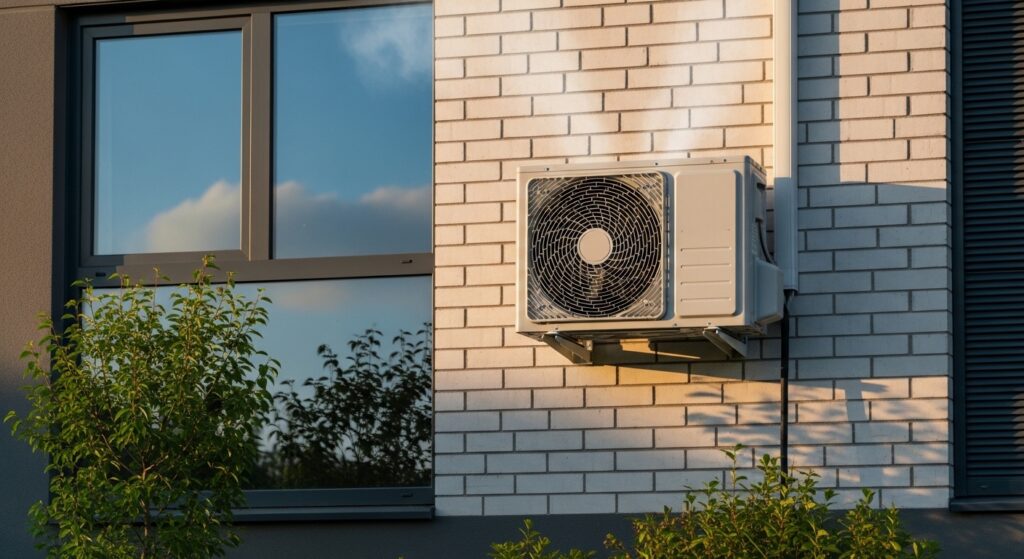
- Condenser setup: Level pad, correct clearances, and solid anchoring.
- Indoor coil and air handler: Sealed cabinets, proper drain configuration, and accessible filter placement.
- Line set: Correct sizing, pressure testing, and insulation quality.
- Electrical: Code-compliant disconnect, correct wire gauge, and secure terminations.
- Controls: Thermostat installation and configuration to match equipment capabilities.
- Evacuation and charge: Deep vacuum, hold test, and charge to manufacturer specs using superheat/subcooling.
- Airflow: Measure and adjust to design CFM; verify quiet operation.
- Temperature split: Confirm performance under load.
Closeout and Education
- Walkthrough: Demonstrate thermostat features, filter changes, and basic maintenance.
- Documentation: Provide model numbers, test readings, and care instructions.
- Site cleanup: Remove debris and restore areas affected by the work.
Post-Installation Habits
- Filter schedule: Replace on a consistent cadence based on filter type and household activity.
- Outdoor clearance: Keep shrubs trimmed and avoid stacking items near the condenser.
- Thermostat strategy: Use schedules and gradual recovery to improve comfort and reduce cycling.
- Seasonal checkups: Inspect electrical connections, drains, and refrigerant performance annually.
Frequently Asked Questions
Q: How can I tell if a proposal is thorough? A: Look for load calculations, airflow data, commissioning steps, and notes on permits and inspections. Vague scopes usually lead to surprises.
Q: My second floor is always warmer. Will a new system fix that? A: A properly designed system can help, but results improve further with duct adjustments, additional returns, or zoning where appropriate.
Q: Do I need to be home during installation? A: It is best to be available for the arrival briefing and final walkthrough so questions can be answered on the spot.
Q: What routine care keeps my system reliable? A: Replace filters, keep the condenser clear, use thermostat schedules, and schedule seasonal checkups.
Q: Can I add central air without ducts? A: Yes. Ductless mini-splits or strategic duct additions can deliver comfort in homes without existing ductwork.
Confidence for Every Stage
A well-run project is predictable, clean, and results-driven. Use this checklist to compare providers and keep your installation on track from estimate to final test. When you are ready to set dates and finalize your plan, reach out to a local expert who will follow the process you expect. Begin by exploring trusted air conditioning installation for Skokie homeowners and schedule your evaluation.