Introduction
When heat waves roll through Illinois, the difference between “working” and “working well” is felt in every room. Advanced maintenance goes beyond filter changes and quick rinses to optimize airflow, dehumidification, and system stability in demanding conditions. This guide focuses on strategies experienced homeowners and building stewards can use to push comfort and reliability further during the toughest summer days, all while staying within safe, homeowner-friendly boundaries.
We will cover airflow tuning, coil care that respects aluminum fins, condensate line resilience, noise control, simple data logging, and tactics that address humidity swings after storms. You will also learn how the microclimate around your home—sun exposure, landscaping, and wind patterns—interacts with your AC’s performance. If you want expert verification or prefer a professional to implement advanced checks on your behalf, consider scheduling comprehensive air conditioning maintenance and use this guide to align expectations.
Advanced Airflow Management
Airflow is the engine that drives heat transfer and humidity control. Start by confirming pressure pathways. Rooms without return grilles can become pressure trapped when doors are closed, causing imbalanced temperatures. A simple door-under-cut can help, but even better is ensuring that doors remain open during long cooling cycles. Observe temperature and airflow in far reaches of the home, like finished attics or rooms above garages, and note how door positions change comfort.
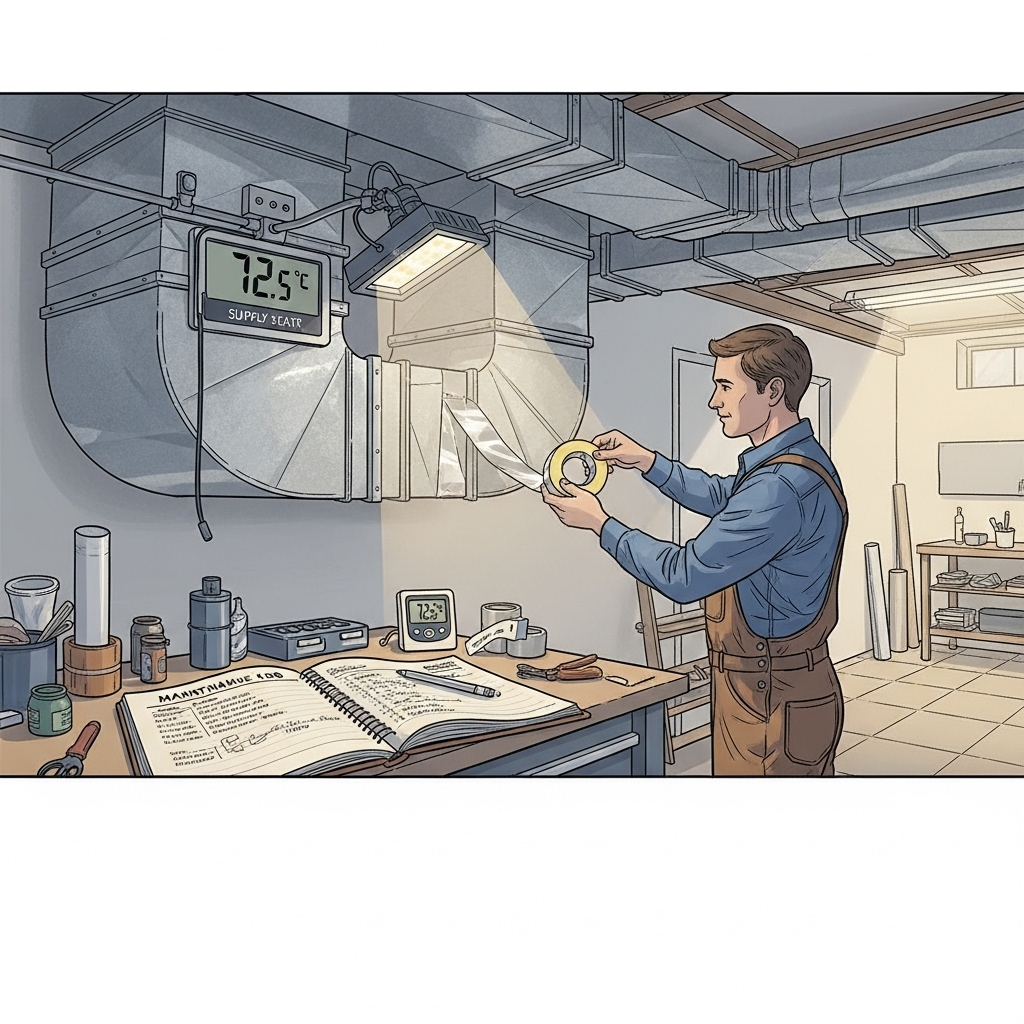
Address duct leakage strategically. While full-system sealing may require professional testing, you can identify problem areas by feeling for drafts at seams in accessible basements or utility rooms while the blower runs. Use quality materials appropriate for HVAC to seal visible gaps. Improved sealing reduces static pressure, which in turn helps deliver more air to distant rooms without overworking the blower.
Consider blower cleanliness. A dusty blower wheel acts like a restrictive filter, lowering delivered airflow and compromising both cooling and dehumidification. Visual checks are safe for homeowners, and professional cleaning may be warranted if fins are visibly coated. Pair this with clean filters and a coil free of debris for maximum effect.
Coil Performance Under Real-World Conditions
Illinois summers bring bursts of pollen, dust, and cottonwood fluff. Rinse the outdoor coil at the start of the season and again a few weeks into midsummer. Gentle water pressure is essential; aim straight through fins and avoid bending them. If you can safely remove the top grille, an inside-out rinse is more effective at pushing debris out of the coil body without driving it deeper.
Observe coil behavior after storms. Wind often blows debris into specific corners or sides of the unit. Make a habit of quick checks after severe weather so you can brush or rinse affected areas. Keeping the coil clear supports stable head pressure, consistent capacity, and quieter operation during the hottest afternoons.
Indoors, evaporator coils should remain clean if filters are replaced regularly. However, even with good filtration, fine dust can accumulate over time. Look for streaks or dirt lines along the coil surface or beneath it in the drain pan. If you suspect buildup, a professional cleaning can restore performance and prevent moisture from carrying contaminants into the airstream.
Humidity and Condensate Control Tactics
Moisture management is critical in Illinois. When humidity spikes, your AC may remove gallons of water in a single day. Ensure the condensate line is clear with periodic vacuuming at the outdoor termination and confirm flow during long cooling cycles. Keep the trap free of slime to avoid gurgling and odors.
Thermostat fan settings influence dehumidification. Auto mode allows the coil to drip dry between cycles, reducing re-evaporation into the airstream. Continuous fan can make the home feel clammy after a cycle, even at a low set point. Pay attention to how settings affect comfort on muggy days and adjust accordingly.
Consider interior moisture sources. Cooking, showers, and open windows on humid days add to the load your AC must handle. Exhaust bath and kitchen fans to the outdoors and keep windows closed during peak humidity. Small changes in daily routines support mechanical systems and improve indoor air quality.
Noise, Vibration, and Stability
Noise is more than an annoyance; it can signal inefficiencies and future failures. Outdoors, a rattle may come from loose panel screws or a warped fan shroud. Tighten fasteners with the power off and look for worn rubber grommets that isolate vibration. Verify the condenser is level; freeze-thaw cycles can tip pads and encourage noise and bearing wear.
Indoors, listen for whistling at returns or rumble in ducts. These sounds often correlate with high static pressure or undersized returns. While major duct changes require design expertise, you can reduce whistling by replacing dirty filters promptly and ensuring that furniture and rugs do not block grilles. If noise persists, a professional can measure pressure and recommend targeted improvements.
Note when noises occur. Startup sounds differ from steady-state hums and can indicate electrical or mechanical issues. Keeping a simple log with timestamps and conditions can help a technician pinpoint causes faster if a service visit becomes necessary.
Microclimate Strategies Around the Home
Landscaping and building orientation significantly affect AC performance. Create gentle shade for the condenser without blocking airflow—small trees or shrubs set far enough away can lower radiant heat on the cabinet. Keep vegetation pruned to maintain wide clearances for service and ventilation.
Manage airborne debris at the source. If mowing throws clippings toward the unit, adjust your path. Consider a gravel strip or edging that reduces dirt splash during storms. Simple habits reduce how often you must rinse the coil and keep heat exchange consistent through the season.
Control solar gain indoors. Use blinds or curtains during the sunniest hours, especially on south- and west-facing windows. Reducing indoor heat load lowers run time and helps the AC reach set point more quickly without sacrificing comfort.
Data Logging for Better Decisions
Track a few key metrics across the season: filter change dates, outdoor coil rinses, drain cleanings, and a periodic temperature split between return and supply air after a 15-minute run. Add notes about humidity, storms, and any unusual noises. Over time, patterns emerge—certain weeks may always demand an extra coil rinse, or a particular room may warm up when wind shifts push debris onto one side of the unit.
Use your log to plan a mid-summer tune and to communicate with professionals. The more specific your notes, the faster a technician can validate performance, spot impending issues, and recommend improvements that match your goals for comfort and quiet operation.
Smarter Thermostat Practices
Program sensible set points based on occupancy and outdoor conditions. Pre-cool slightly before the hottest part of the day and avoid extreme setbacks that force long, catch-up runs. Confirm that the thermostat is not in direct sunlight or near a supply register, which can skew readings and contribute to short cycling.
If your thermostat supports it, enable reminders for filter changes and seasonal checks. Timers and notifications help you keep maintenance regular even during busy weeks. Replace thermostat batteries proactively each year if your model uses them.
When to Escalate to Professional Help
Advanced homeowner care has limits. Call a professional if you notice repeated breaker trips, burning smells, ice on refrigerant lines, or persistent humidity despite clean coils and sensible settings. Technicians can test electrical components, measure refrigerant parameters, verify airflow with specialized tools, and identify issues that are not visible during a standard visual inspection.
Professional assessments are especially valuable after renovations or duct changes. Tweaks that seem minor—adding a door, finishing a basement room, or relocating a return—can change static pressure and airflow balance. A tune-up that includes measurements ensures your changes do not unintentionally undermine comfort.
If your system is older or has a history of mid-summer stumbles, scheduling a pre-heat-wave inspection offers peace of mind. Combining diligent homeowner routines with periodic professional verification produces the most reliable results during Illinois summers.
Frequently Asked Questions
Q: How often should I rinse the outdoor coil in a debris-prone area?
A: At the start of the season and again in midsummer, plus after storms or heavy mowing. Adjust based on what your log shows about debris patterns near your home.
Q: Why does my home feel clammy even when the thermostat shows the right temperature?
A: Continuous fan can re-evaporate moisture from the coil. Switch to Auto mode during humid days and confirm the condensate drain is moving water freely.
Q: Does shading the condenser really help?
A: Modest shading that does not restrict airflow can reduce radiant heat load on the cabinet and stabilize performance. Keep clearances generous on all sides and above.
Q: What’s the value of a maintenance log?
A: It reveals patterns—when debris builds, which rooms warm up, and how the system responds after storms—so you can time touch-ups and communicate clearly with a technician.
Q: How can I reduce noise from ducts and returns?
A: Replace dirty filters, keep grilles unobstructed, and avoid closing too many supply vents. Persistent noise may indicate high static pressure that merits professional evaluation.
Q: When is professional service non-negotiable?
A: Burning smells, icy refrigerant lines, repeated breaker trips, and ongoing humidity or comfort issues after basic cleaning all call for a technician’s expertise.
Put Advanced Tips Into Action
Fine-tuning your AC for Illinois summers requires attention to airflow, drainage, coil cleanliness, and the little details that influence comfort. With strategic rinses, smart thermostat use, and awareness of your home’s microclimate, you can keep cooling steady even during heat waves. A simple log helps you time touch-ups and track results.
When you are ready to pair your efforts with expert verification, schedule thorough air conditioning maintenance so you can enjoy quieter operation, better humidity control, and reliable comfort all season long.