
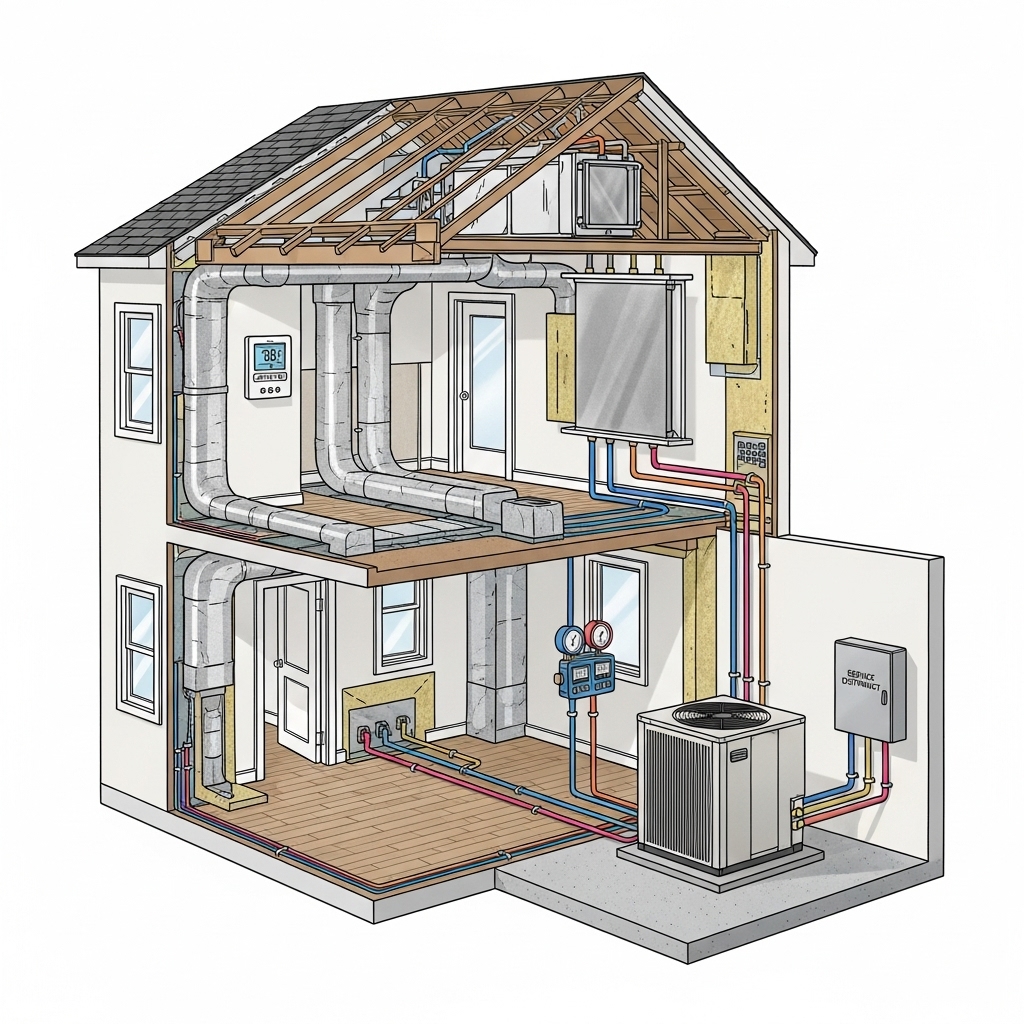
The process of installing a new air conditioning system in a Skokie, Illinois home blends engineering, craftsmanship, and code compliance. Understanding each step helps you gauge quality and anticipate decisions that affect comfort for years. This guide explains the entire journey—from evaluating your home and choosing equipment to commissioning and ongoing care—so you can recognize excellence at every stage. If you want a quick orientation to what a well-run project looks like, review professional air conditioning installation practices that define high standards across the industry.
While every home is unique, successful projects follow a common rhythm. The sections below outline that rhythm, highlighting where attention to detail yields the greatest return in comfort, quiet operation, and energy performance.
Assessment and Load Calculation
The process begins with data gathering. A room-by-room load calculation considers square footage, insulation quality, window area, orientation, air leakage, and internal gains. Skokie’s humid summers mean latent load is a priority alongside sensible cooling. The result determines equipment capacity, coil selection, and airflow targets. Basing decisions on measured facts—not rules of thumb—prevents short cycling, humidity issues, and uneven temperatures.
During assessment, your contractor also examines ductwork. Static pressure measurements, grille sizing, and return paths are documented so any restrictions can be resolved before equipment is set. If second-floor rooms run hot, the plan may include airflow balancing or zoning to align delivery with load.
Design and Equipment Selection
With loads and duct data in hand, equipment selection can begin. Options range from single-stage units to variable-speed systems. In tightly built or multi-level homes, variable-speed compressors and blowers excel at maintaining comfort quietly across a wide range of conditions. The indoor coil is matched to the condenser to ensure proper capacity and dehumidification.
Controls must work harmoniously with the equipment. Thermostats that manage staging and humidity help finesse comfort during part-load hours, which make up most of the season. Filtration choices are aligned with airflow targets, balancing clean air with low resistance to keep the system quiet and effective.
Permitting and Scheduling
Permits and inspections protect safety and verify compliance with electrical and mechanical codes. Scheduling the project involves coordination around inspection windows, equipment delivery, and homeowner availability. Clarifying responsibilities up front—who pulls the permit, who schedules inspections—keeps the process smooth.
Good scheduling also ensures sufficient time for commissioning. Rushing the final steps undermines performance, while a planned, measured approach yields lasting results.
Site Preparation
Before installation day, work areas are cleared and protected. The outdoor pad location is confirmed for drainage, airflow, and sound considerations. Line-set routing is planned to minimize bends and shield insulation from UV exposure. Electrical capacity is verified, and a code-compliant disconnect location is established.
Inside, the mechanical area is prepared for access and serviceability. Filter cabinets, transitions, and condensate safety components are staged so that the new system can be assembled cleanly and logically.
Removal of Old Equipment
Removing the old system involves safely recovering refrigerant, disconnecting electrical and condensate lines, and extracting components without damaging ducts or the furnace cabinet. This is a prime moment to clean blower compartments, evaluate return sizing, and address any visible duct leaks while access is easy.
With equipment out, the team can confirm dimensions and finalize transition designs. Careful fabrication now prevents turbulence, noise, and pressure penalties later.
Setting and Connecting New Components
Precision matters as new parts go in. The indoor coil must be level for proper drainage and positioned to avoid air bypass. Transitions are installed with smooth profiles and sealed with mastic. The outdoor unit is set on a stable pad with clearances on all sides to protect airflow and service access.
Refrigerant lines are brazed with nitrogen flow to protect tubing from oxidation, then pressure-tested. Electrical connections include a dedicated circuit, proper grounding, and a service disconnect within sight of the unit. Low-voltage wiring is routed neatly and labeled to simplify future troubleshooting.
Evacuation, Charging, and Commissioning
Once connected, the system is evacuated with a micron gauge to confirm a deep, dry vacuum. Refrigerant charge is weighed in per manufacturer specs and tuned under operating conditions using superheat and subcooling. Airflow is measured across the system and adjusted to match target CFM per ton, balancing temperature control and humidity removal.
Commissioning continues with thermostat configuration. Staging thresholds, blower ramps, and humidity features are set to align with your comfort goals. A full operational test verifies safety controls, checks condensate drainage, and confirms quiet operation. Startup readings are documented for your records.
Balancing and Comfort Tuning
Room balancing brings the design to life. By adjusting dampers and grille settings, the installer ensures that each space receives appropriate airflow. In multi-level homes, slight favoritism toward upper floors during hot afternoons can smooth temperature differences and reduce runtime.
Where needed, return pathways are improved to prevent pressure imbalances that cause whistling, door slams, or starved rooms. Thoughtful balancing keeps the system quiet and stable throughout varying weather.
Homeowner Orientation
After commissioning, you should receive a walkthrough covering filter access, thermostat operation, and maintenance intervals. Ask for copies of load calculations, duct measurements, and commissioning data. These documents serve as a baseline for future service and help you verify performance over time.
Understanding what normal operation looks and sounds like will help you detect early signs of trouble, such as unusual noise, odors, or changes in humidity control.
Skokie Climate and Neighborhood Considerations
Skokie’s warm, humid summers reward systems that excel at part-load conditions. Variable-speed equipment and carefully set blower profiles can maintain low indoor humidity without overcooling. Outdoor placement should consider neighbor proximity and bedroom windows to minimize perceived sound, and line sets should be protected from seasonal weather exposure.
Older masonry homes often benefit from modest air sealing and insulation improvements. Reducing infiltration shrinks the cooling load, eliminates drafts, and helps your new system operate in its sweet spot more often.
Common Errors and How Pros Avoid Them
Three errors undermine many installations: skipping load calculations, ignoring duct restrictions, and rushing commissioning. Pros counter these by documenting sizing, measuring static pressure, sealing ducts, and recording charge and airflow. Another frequent mistake is undersized return air, especially in bedroom zones. Providing a clear return path prevents pressure issues and uneven cooling.
Improper condensate management is another avoidable problem. A correctly trapped drain, emergency pan, and float switch protect against leaks and water damage. Verifying drainage during commissioning is a small step with big consequences.
Mid-Project Review and Adjustments
Midway through installation, a quick review ensures that transitions are smooth, ducts are sealed, and lines are insulated. It is also the perfect time to confirm thermostat selection and filtration strategy. For reference points and examples, compare your approach with best-practice air conditioning installation checklists that emphasize measurement and documentation.
If issues surface—like restricted returns or awkward equipment access—address them now. Correcting these details midstream pays off in long-term comfort and serviceability.
Maintenance and Long-Term Care
The process does not end when the system starts. Routine maintenance keeps performance high: change filters regularly, keep the outdoor coil clean, test condensate safeties, and schedule seasonal checkups to verify charge and airflow. Maintain records so you can spot trends and discuss concerns clearly with your technician.
During the first season, pay attention to humidity and temperature stability. If adjustments are needed, small tweaks to blower profiles or balancing dampers can refine comfort without major changes.
Frequently Asked Questions
Q: How long does a typical installation take? A: Most replacements are completed in one day, with additional time for duct improvements or zoning as needed.
Q: What determines the right system size? A: A room-by-room load calculation that accounts for insulation, windows, orientation, and air leakage. Square footage alone is not reliable.
Q: Do I need new ducts? A: Not always. Many homes need sealing, better returns, and smoother transitions rather than full replacements.
Q: How is refrigerant charge verified? A: By weighing in the charge and confirming superheat and subcooling under operating conditions, paired with airflow measurements.
Q: Will a variable-speed system be quieter? A: Yes, variable-speed compressors and blowers often operate at lower speeds, reducing noise while improving humidity control.
Q: Are permits necessary? A: Local jurisdictions typically require permits and inspections to ensure safety and code compliance.
Move Forward with Confidence
When you understand the process, you can hold the project to a high standard—measured sizing, careful duct work, clean installation, and thorough commissioning. That standard yields a cooler, quieter, more consistent home through Skokie’s warmest months. If you are ready to make the most of your upgrade, partner with a team that documents every step and stands behind the results. For dependable outcomes backed by proven methods, choose expert air conditioning installation and enjoy comfort you can count on.