Permits can feel like red tape, but for air conditioning installation in Skokie, Illinois they play an essential role in safety, performance, and long-term peace of mind. Understanding what permits cover, how inspections work, and which codes influence design helps you plan a smoother project from the start. This guide walks through the permit process, documents you may need, typical inspection checkpoints, and homeowner tips for a hassle-free experience. If you want to see how permitting fits into a well-run project, explore professional air conditioning installation practices that integrate code compliance with high-performance workmanship.
Even if your contractor handles the paperwork, knowing the basics lets you ask smarter questions, avoid delays, and confirm that your installation meets both the letter and the spirit of the rules that keep homes safe and efficient.
Why Permits Matter
Permits and inspections exist to protect you, your neighbors, and first responders. They ensure that electrical connections are safe, refrigerant handling follows environmental rules, equipment clearances allow proper airflow, and condensate management prevents water damage and mold. For many homeowners, permits also preserve warranty coverage and support insurance claims if something goes wrong.
From a performance perspective, code-driven checks push installations toward best practices. That includes appropriately sized circuits, correctly located disconnects, and drainage safeguards that reduce risk and improve reliability throughout the cooling season.
Typical Permits for AC Installation
Most projects require mechanical permits and electrical permits, sometimes combined in a single application depending on jurisdiction. When ducts are modified significantly, additional documentation may be requested to confirm materials, insulation levels, or fire safety considerations. If structural changes are required to support equipment platforms, a building permit component may also enter the picture.
Your contractor should identify which permits apply based on the scope: a straightforward replacement, a conversion from window units to central air, or a multi-zone mini-split installation. Each has nuances that influence the forms and inspections involved.
Documentation You May Need
- Equipment specifications and matched system data sheets.
- Line-set sizing and routing plan, including wall penetrations and protection.
- Electrical one-line diagram showing breaker size, wire gauge, and disconnect location.
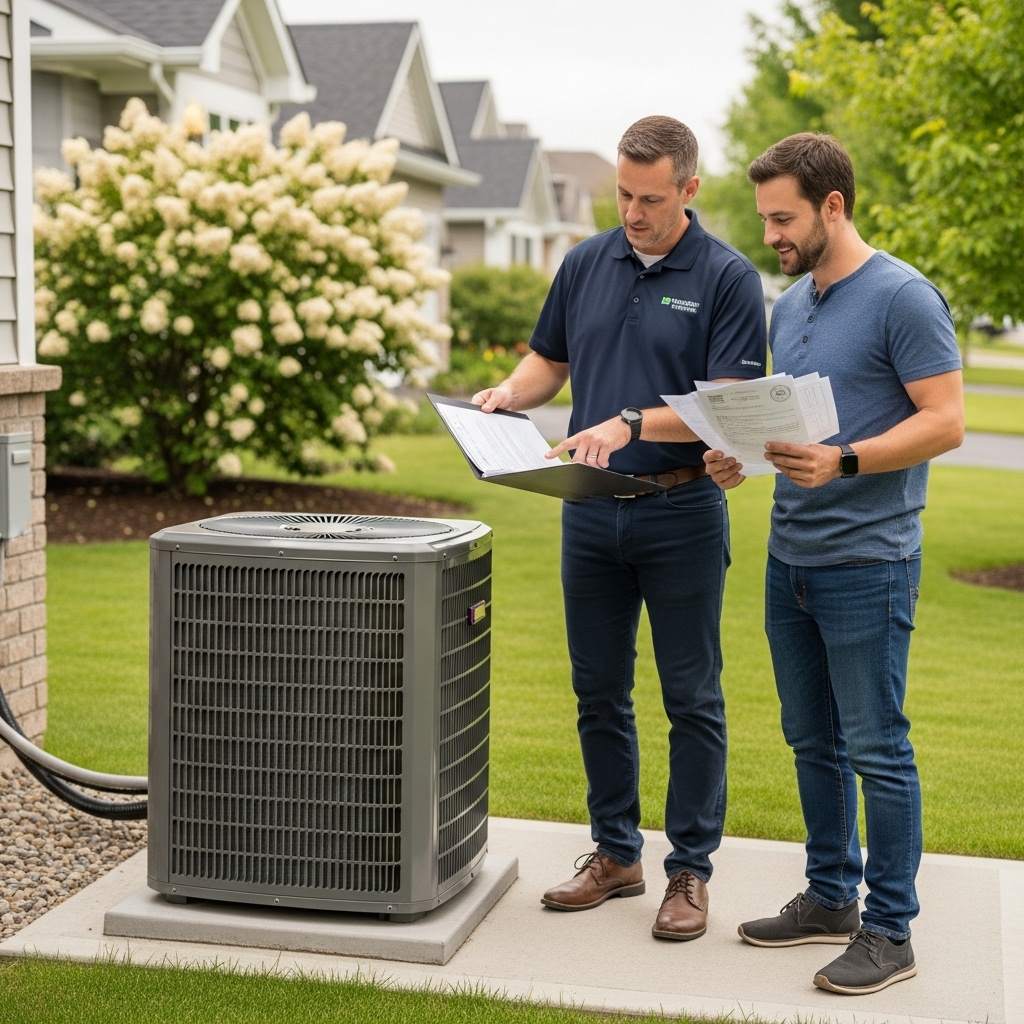
- Site plan for outdoor unit placement with clearance distances.
- Condensate management plan: trap configuration, drain route, and safety switch.
- Duct modifications: materials, insulation, sealing method, and fire safety where applicable.
- Load calculation summary supporting system capacity selection.
Having these materials ready streamlines review and signals that your project follows a thoughtful, code-conscious design process.
Inspections: What Inspectors Look For
Inspections typically occur at key milestones. An electrical inspection verifies conductor sizing, grounding, breaker ratings, and the location of the disconnect within line of sight of the outdoor unit. The mechanical inspection checks equipment clearances, refrigerant line protections, and condensate drainage. If ducts are modified, inspectors may check for proper materials, sealing, and insulation, especially where ducts pass through unconditioned spaces.
Inspectors also look for manufacturer installation requirements—clearances, support, and service access. Meeting both code and manufacturer instructions is critical, because manufacturer specs often become part of the code by reference and are tied to warranty coverage.
Skokie-Specific Considerations
Skokie’s density and mix of older homes create practical considerations. Sound and placement matter in close quarters, so site plans should show setbacks from property lines and nearby windows. Older electrical panels may need evaluation for available capacity and space for a dedicated condenser circuit. For masonry homes, plan tidy penetrations and weather sealing to protect the envelope.
Because humidity is a seasonal challenge, inspectors may also pay close attention to condensate management. A properly trapped drain, emergency pan where appropriate, and a tested float switch demonstrate care for both code compliance and homeowner protection.
Timeline and Coordination
Many delays stem from incomplete applications or missing documentation. Start early by confirming which permits are required and who submits them. Ask about typical review times and whether inspections can be scheduled the same day as installation or if a follow-up visit is necessary. Coordinate equipment delivery so that serial numbers and matched system data can be documented accurately on permit forms.
If your project includes duct modifications behind finished surfaces, discuss whether rough-in inspections are needed before walls are closed. Clear expectations prevent rework and keep the schedule on track.
Homeowner Responsibilities and Best Practices
Even when your contractor handles permitting, you can help the process. Provide access to electrical panels and mechanical spaces, keep the outdoor location clear, and be available by phone during inspection windows in case questions arise. Maintain a folder with application copies, approved plans, and final inspection sign-offs for future reference.
Use the permit process as leverage for quality. Require commissioning documentation—micron levels during evacuation, superheat and subcooling readings, static pressure, and airflow data. While not always a formal permit requirement, these records prove the system was set up correctly, safeguarding comfort and efficiency.
Common Permit Pitfalls
Applications that omit load calculations or matched equipment data tend to stall. So do site plans that ignore clearances or do not account for property lines. Another common misstep is underestimating electrical requirements: insufficient breaker size, wrong wire gauge, or a missing disconnect can trigger a failed inspection and costly return visits.
Rushing can also lead to errors in condensate management or line-set protection. Ensure that wall penetrations are sealed, UV-resistant insulation is used outdoors, and drains are tested under real conditions. Attention to these details satisfies inspectors and protects your home.
Working With Your Contractor
Choose a contractor who embraces the permit process rather than treating it as a hurdle. Ask how they prepare documentation, what inspections they anticipate, and how they handle corrections if required. A proactive approach avoids surprises and demonstrates a commitment to both safety and performance.
Clarity about responsibilities matters. Confirm who pays permit fees, who schedules inspections, and what happens if an inspector requests changes. Transparent communication keeps the project moving and reduces stress for everyone involved.
After Approval: Commissioning and Records
Final inspection approval is not the end. Commissioning brings the system into spec: evacuation verified by a micron gauge, charge validated with superheat and subcooling, airflow set to target CFM per ton, and thermostat features configured to your comfort preferences. Capture these readings in a report filed alongside your permit documents.
If your home experiences a comfort issue later, these records help technicians diagnose quickly. They also demonstrate to future buyers that your system was installed with care and verified performance, adding confidence to real estate transactions.
FAQs About AC Permits
Q: Who is responsible for pulling permits? A: Typically the contractor, but homeowners should confirm this in writing and keep copies of submitted documents.
Q: How long does permit approval take? A: Timelines vary; starting early and submitting complete documentation reduces delays. Ask your contractor for local averages.
Q: Do replacements require permits or only new installations? A: Replacements commonly require permits because electrical work, refrigerant handling, and safety checks are involved.
Q: What happens if I skip permits? A: You risk safety hazards, failed insurance claims, warranty issues, and complications during future home sales or appraisals.
Q: Are photos or documents required after installation? A: Many jurisdictions accept or request installation photos or commissioning reports; even when not required, keeping them is smart.
Q: Will inspectors check ducts? A: If ducts are modified, inspectors may verify materials, sealing, insulation, and fire safety where applicable.
Putting It All Together
Permits are a framework for doing the job right—safe wiring, protected refrigerant lines, reliable drainage, and equipment that can be serviced for decades. When combined with precise sizing, smooth duct transitions, and documented commissioning, that framework produces a system that keeps your Skokie home comfortable and dry through the muggiest days. If you would like guidance from a team that treats compliance and performance as two sides of the same coin, choose professional air conditioning installation and move forward with confidence.