In Skokie, efficiency is more than a number on a yellow tag—it is the feeling of quiet, even cooling while your home’s electric meter turns more slowly than last summer. I have guided homeowners from East Prairie to Gross Point through the process of choosing and installing high efficiency systems, and what I have learned is simple: the best results come from matching equipment to the home as carefully as you would fit a new pair of shoes. Capacity, airflow, ducts, and controls all have to work together, and when they do, the difference is unmistakable. If you are weighing your options because a tired system is nearing the end, or you want to tame those humid nights without the drone of an old single-stage unit, this is the right moment to understand the pieces that make up a comfortable, efficient home. It starts with an honest assessment of your house and your expectations for modern air conditioning.
What high efficiency really means for Skokie homes
Terms like SEER2 and EER are useful, but efficiency at home is a lived experience. You will feel steadier temperatures from room to room, fewer swings at the thermostat, and softer sound from outdoors and at the supply vents. Variable-speed and two-stage compressors run longer at lower output, removing more humidity and reducing short cycling. That is especially valuable here where summer can flip from dry to heavy overnight. Energy savings are the bonus that show up later; day to day, the first thing most people notice is a calmer home environment with better moisture control and less need to fiddle with setpoints.
The importance of a real load calculation
Good installation starts with numbers that reflect your actual house. We measure windows, insulation, orientation, and infiltration, then build a picture of heat gain in July rather than relying on the old rule of thumb based on square footage. In Skokie’s mix of 1950s ranches, split-levels, and newer infill, the range of construction quality is too broad for guesses. Some homes trap heat in second-floor bedrooms; others suffer from sun exposure over picture windows. A careful calculation ensures we do not oversize—a common mistake that spawns cold downstairs, muggy upstairs, and constant cycling. Right-sizing is the foundation of efficiency because high-efficiency systems shine when allowed to run steady and quiet.
Ductwork: the unsung partner of any high efficiency system
We can install the most advanced condenser and air handler available, but without solid airflow, you will not get what you paid for in comfort. Ducts in many Skokie homes were sized for older equipment and airflow targets. As part of installation, we measure static pressure and inspect returns for leaks and restrictions. If we find pinched runs or returns that pull air from basements instead of living spaces, we correct them. Sometimes it is as modest as opening a return pathway to the second floor; other times, reconfiguring a supply trunk improves airflow to distant rooms. Every improvement lets a variable-speed system do its job: move the right amount of air quietly, with fewer drafts.
Choosing between variable-speed and two-stage
Both options elevate comfort beyond single-stage. Two-stage systems give you a low, gentle mode for routine weather and a higher mode for the hottest afternoons. Variable-speed (inverter-driven) systems take that idea further by precisely matching output to demand in very fine steps. In older Skokie homes where duct changes are limited, a two-stage unit may be a perfect fit. In newer or renovated homes with better ducts, a variable-speed system can deliver whisper-quiet operation and exceptional humidity control. The decision is not about prestige; it is about which style of operation fits your home’s airflow and your comfort goals.
Indoor coils, line sets, and refrigerant considerations
We often replace the indoor coil when installing a new high efficiency condenser, both to match refrigerant type and to ensure that coil size and design complement your airflow. We inspect and, when appropriate, replace line sets to meet current standards and prevent future leaks. Attention to cleanliness during brazing, proper evacuation to remove moisture, and accurate charging based on superheat or subcooling are not just technicalities—they govern reliability and efficiency for years to come.
Thermostats and smart controls that actually help
Controls are where you experience the system every day. A carefully selected smart thermostat can coordinate dehumidification, manage staging, and offer gentle setpoint transitions that let a high efficiency system shine. We set up schedules that reflect your routine, explain the difference between fan “auto” and “circulate,” and show you how to leverage gradual changes rather than large swings that force high-speed operation. For many Skokie families, once the home’s rhythm is captured in the thermostat, there is little reason to touch it—comfort just happens.
Noise, vibration, and placement
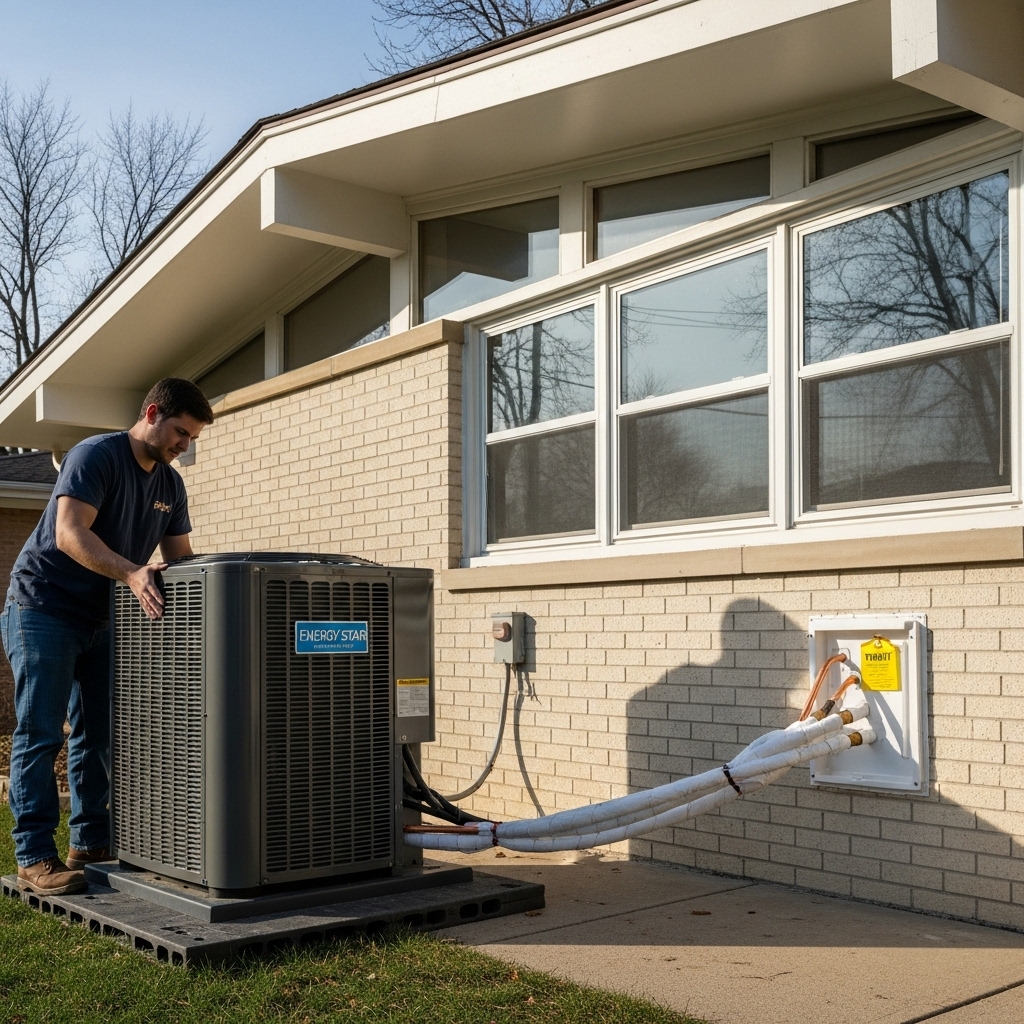
High efficiency units can be remarkably quiet, but sound still matters. We think about your patio, bedroom windows, and neighbors. We select pads that damp vibration, ensure clearances for airflow, and place the condenser where it is accessible for service without intruding on your outdoor life. In dense parts of town near downtown Skokie or along busy corridors, thoughtful placement turns a good installation into a great one because it preserves your peace as much as your comfort.
Permits, codes, and doing the job right
Working in Skokie means following local codes and permit processes that protect homeowners and ensure safe installations. We handle the paperwork, schedule inspections, and meet with the inspector when needed. Compliance is not a hurdle; it is an extra set of eyes confirming that electrical work, condensate routing, and refrigerant handling meet standards. The benefit to you is not abstract—you get a system that is safe, documented, and supported well into the future.
What installation day looks like
On the morning we arrive, we walk the home with you, covering the plan, access points, and the brief periods when cooling may be interrupted. We protect floors, stage tools, and shut down the old system cleanly. The outdoor unit comes out first, then the indoor coil, followed by any duct modifications. We braze with nitrogen, evacuate deeply, and charge precisely. After startup, we confirm temperature split, check static pressure, listen for duct noise, and calibrate controls. Before we leave, we review what we did and why, answer questions, and show you how to get the most from the system. A well-orchestrated day ends with a home that feels like a different building—quieter, even, and dry without being cold.
Dehumidification and comfort you can feel
Air temperature is only part of comfort; moisture is the rest. With longer, lower-speed cycles, high efficiency systems wring out humidity more effectively. You notice this most on nights when the temperature is not extreme but the air feels thick. Instead of blasting to cool the air, the system holds a steady rhythm, steadily removing moisture and keeping your sheets comfortable. This is why oversizing does such damage to comfort: it shortens cycles, removes less moisture, and leaves rooms clammy. The right size paired with high efficiency technology is what delivers the “cool without chill.”
Protecting your investment with commissioning
Commissioning is the moment where attention to detail pays off. We verify refrigerant charge with the conditions of your actual house, not just a sticker. We measure delivered airflow and make changes where needed. We confirm condensate safety and walk through maintenance steps so you know what you can handle and what we will handle for you. This step is what separates a good installation from one that truly delivers the promise on the brochure.
In the middle of the process, when equipment selections are made and the install is scheduled, we often revisit goals to be sure nothing has changed. Perhaps you are finishing a basement near Kenton Park or planning to convert an office into a nursery. Flexible planning keeps your system aligned with your life. It is also the moment we cover how to use modern features wisely, along with where to find trustworthy information about air conditioning so that small adjustments enhance, rather than undermine, the system’s design.
Working within the constraints of older homes
Not every house can accept broad duct modifications, and that is okay. We tailor installations to the space you have. Sometimes that means using an air handler with stronger but quieter blowers, or integrating return air solutions that rely on careful sealing rather than big new chases. We look for improvements that offer outsized benefit without tearing into your home. The goal is to respect your house while upgrading its comfort.
Long-term reliability and serviceability
Efficiency without reliability is no bargain. We choose equipment lines with strong parts availability and clear service procedures. We label everything we install, from disconnects to drain lines, so future service—whether routine or urgent—is straightforward. A system that is easy to service tends to stay efficient because it actually gets maintained. Filters are accessible, coils are reachable for cleaning, and electrical compartments are not a puzzle box.
Skokie seasons and real-world performance
Summer in Skokie rarely sits still. A week can start with dry northern breezes and end with a soupy south wind. High efficiency systems excel in this variability because they ramp to match the moment. They do not chase setpoints; they settle into them. When clouds roll in over Old Orchard and temperatures ease, the system glides down; when sun floods a west-facing living room near Dempster, it eases up without drama. Smooth is the word that comes to mind—smooth air, smooth sound, smooth comfort.
Frequently Asked Questions
How do I choose the right efficiency rating for my home?
The best choice balances upfront equipment features with your home’s load, duct condition, and comfort goals. We run a proper calculation, discuss how you use the space, and recommend a system that will run in its sweet spot most of the time, where efficiency and comfort are highest.
Will a high efficiency system make my home less humid?
Yes. Longer, lower-speed cycles remove more moisture, especially with controls that prioritize dehumidification. Many homeowners notice a drier, more comfortable feel even at a slightly higher temperature setting.
Do I need new ducts to benefit from high efficiency?
Not always. While ducts must support proper airflow, many homes benefit from modest improvements rather than wholesale replacements. We measure, make targeted changes, and choose equipment that suits your ductwork.
How long does installation take?
Most installations complete in a day, with complex duct or control work sometimes adding time. We plan the schedule with you so cooling downtime is as brief as possible.
Are high efficiency systems louder outside?
No. In fact, many are quieter thanks to variable-speed operation and improved fan designs. Proper placement and vibration control keep sound levels neighbor-friendly and bedroom-friendly.
Can smart thermostats really improve efficiency?
When properly set up, yes. They manage staging, dehumidification, and gentle setpoint changes that let high efficiency systems avoid wasteful on-off cycling. We configure and coach you on the features that matter.
What maintenance does a high efficiency system require?
Regular filter changes, periodic coil cleaning, and professional checkups to verify airflow and refrigerant levels. Because these systems can run at lower speeds, clean airflow paths and accurate charge are especially important.
If you are ready to trade the roar and swings of yesterday’s equipment for steady comfort, we are ready to help you design and install a system that fits your home and your life. From the first conversation to the final commissioning test, we keep the focus on outcomes you can feel every day. When you are ready to plan your next step in air conditioning, reach out and we will turn high efficiency from a promise into your new normal.