
When your cooling cuts out on a humid Skokie evening, there is nothing theoretical about comfort—it becomes the difference between sleeping and pacing the hall. I have spent years helping neighbors from Old Orchard to Devonshire get their homes back to a calm, cool normal, and I can tell you that swift, precise diagnosis is everything in an emergency. In our corner of Cook County, storm fronts can roll off the lake, temperatures pitch upward after sunset, and a quiet compressor can be the first sign your home’s equilibrium is slipping. That is why we treat urgent calls like a relay race, handing off information, parts, and experience until your system is humming again, and why I like to set expectations right away about what we look for, what you can do safely before we arrive, and how to prevent the next disruption. If you are scanning for answers while the house warms up, you are already doing the right thing by seeking knowledgeable help with your air conditioning.
Why Skokie homes face unique emergency AC challenges
Skokie weather swings are hard on equipment. In late spring, a sudden heat wave after a cold week can force a system to run long cycles before every component is truly ready, exposing weak capacitors or marginal contactors. In midsummer, high dew points make indoor coils work overtime, and a layer of condensation combined with dust can freeze fins before you notice airflow changes. Many houses here were built between the 1950s and 1970s, and while sturdy, not all have modern return air pathways or perfectly balanced duct runs. That means compressors and blower motors often run at the edge of comfort capacity during the first real heat event of the season. Emergency repair is about understanding those pressures, recognizing patterns that reveal the root cause quickly, and stabilizing the system without creating new risks.
What qualifies as an emergency—and what to do first
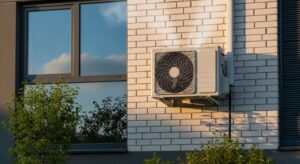
An emergency is not just an inconvenience; it is a situation where waiting risks damage to equipment or comfort, especially for small children, older adults, or anyone sensitive to heat. If the system stops entirely during a heat advisory, if you smell electrical burning, or if there is visible icing on the outdoor unit, treat it as urgent. Before you call, check the thermostat mode and setpoint, verify the breaker has not tripped, and make sure the furnace switch near the air handler is on. If you can access your filter, pull it out and hold it to a light; if barely any light passes through, replace it or run briefly without it until we arrive to install the correct size. Do not chip ice off the coil or dig into the outdoor fan grille. Those actions can cause more harm than good. Instead, turn the system to “off” or “fan only” if there is icing, and let the coil thaw while we head your way.
How we triage and dispatch for speed
When you call from a street near Oakton or Lincoln, we are already mapping the closest stocked truck, but the real time saver is asking the right questions: Is the blower running but no cool air? Is the outdoor unit silent? Do you hear a hum without the fan spinning? Answers narrow the likely failure from a handful of culprits to one or two, guiding which capacitors, contactors, fan motors, or fuses we put in hand before we pull onto your block. We also consider Skokie traffic patterns—Dempster can crawl at rush hour—so we route with that in mind. Clear communication means your first visit is prepared, not exploratory.
The first ten minutes on site: stabilizing the system
Emergencies respond to discipline. We start with power off, disconnect in place, and a quick inspection for burn marks on lugs or wire insulation in the condenser. We confirm voltage at the contactor, test run and start capacitors under load, and check the fan spin for bearing roughness. Inside, we read static pressure at the return and supply, gauge coil temperature, and check that condensate is draining. These straightforward steps tell us whether to focus outside on the condenser or inside on airflow and controls. Many times in Skokie, the fastest wins come from addressing airflow: a collapsed filter, a return grill blocked by furniture, or a slipped blower wheel sets a cascade that looks like a refrigeration issue but resolves with proper air volume.
Common emergency failures and why they happen
Capacitors are a frequent cause of sudden silence. They work hard on hot days, and when they fail, a compressor or fan that previously started might only hum. Contactors, with their switching faces, can pit over time, especially if insects find the housing attractive in warmer months. Low refrigerant from a slow leak often shows up as light frost on the small section of exposed indoor coil or a cool suction line that should be cold, not icy. High head pressure from a clogged condenser coil can pull the system into a temporary shutdown to protect itself. Each of these is solvable in the field, but the key in an emergency is to fix what is broken without masking a systemic cause like restricted airflow or undersized return runs that will lead to another call next week.
What we carry so you are not waiting for parts
We stock what fails most often, and in Skokie that list is clear: dual run capacitors across the common range, single-value capacitors for separate fan and compressor designs, universal contactors matched to amperage, condenser fan motors in the most common frame sizes, and simple control boards used by a number of mainstream brands. We also keep wet/dry vacuums for clogged condensate lines, condensate switches to safeguard against future floods, and coil cleaners suitable for both indoor fins and outdoor spines. Bringing the right gear is why many emergencies resolve in one visit, even late in the evening.
Protecting your home while we work
It is not enough to restore cooling; we need to leave your home safer than we found it. In basements along Main Street or garden units near the Yellow Line, water from a backed-up drain can do as much harm as heat. We test float switches, verify slope on condensate lines, and look for signs of long-term water trails on the furnace cabinet. Outside, we secure whip conduits and check that disconnects are firm to the wall. Inside, we confirm that your filter rack seals, so return air is pulled from your home, not a dusty mechanical room. These small steps keep the emergency from becoming a series of callbacks and give you confidence that the system can run hard without cutting corners.
When the fix is bigger than a part
Sometimes the most honest recommendation during an emergency is a temporary stabilization and a frank discussion about options beyond the night’s repair. A compressor pulling locked-rotor amps several times a day, a coil corroded by years of condensate chemistry, or ductwork undersized for modern airflow expectations can push a system beyond efficient repair. In those cases, we lay out the path to interim comfort—safe operation, target temperatures, and what to watch—and we schedule the deeper work at the earliest feasible window. Skokie homeowners appreciate direct talk, and we never push you into a choice that does not fit your timeline. The goal is cooling now, clarity for later.
Midway through many emergency appointments, once we have the system stable and temperature dropping, we talk about why problems appeared today and not last week. Heat load, recent filter changes, and thermostat programming all play a part. It is also a good moment to remind you that resources for maintaining reliable air conditioning are not just about tune-ups; they start with correct airflow and good thermostat habits. Small adjustments, like setting a reasonable overnight setback or using fan “auto” instead of “on” during peak humidity, can prevent iced coils and short cycling.
Stories from real Skokie homes
One Saturday in late July, a townhouse off Gross Point lost cooling just as a birthday party was getting underway. The outdoor unit rattled, the indoor blower ran, and the thermostat seemed to bounce a degree up and down without landing. The culprit was a condenser fan motor whose bearings had seized in the heat. With a matching motor on the truck and a new capacitor to support it, we had the fan spinning in under an hour, temperatures falling steadily, and most importantly, a plan to rinse the condenser thoroughly after the guests left to restore head pressure to normal ranges. Another evening near Oakton Park, a system was freezing every afternoon around four. The filter was new, the coil was clean, and yet suction line temperatures were dropping too far. A blocked return grille hidden behind a freestanding shelf was starving the system of air; moving it six inches cleared the issue, and a simple discussion about return air path kept future furniture arrangements from repeating the problem.
Safety and comfort during the wait
If you are waiting for us at the height of a hot day, there are low-risk steps that can make you more comfortable without jeopardizing the system. Keep blinds closed on west-facing windows in Devonshire and Lorel Park homes that take the afternoon sun. Use ceiling fans to move air across your skin; they do not reduce the room temperature, but they make you feel cooler. Keep oven use minimal and consider shorter showers, as humidity climbs fast in enclosed spaces. If you have window fans, use them sparingly to purge hot air at dusk when outdoor temperatures drop, then close up to preserve the cooler indoor air. Most of all, avoid running the system in cooling mode if you can see ice on the indoor coil; thaw first, then resume once we have addressed the cause.
After the fix: preventing the next emergency
Emergencies teach us where a system is vulnerable. A series of hot days can set off a weak capacitor the way a steep hill tests a tired battery. We look at those weak points and shore them up. That can mean sealing a leaky filter rack so return air is true, adding a float switch to shut off cooling if condensate rises, or discussing duct improvements that will pay off in quieter operation and even temperatures from basement to second floor. Many Skokie residents choose to schedule a comprehensive performance check within a few weeks of an emergency repair, not to second-guess the fix but to make sure the system is optimized for the rest of the season. That visit lets us measure airflow precisely, verify refrigerant levels against actual load, and ensure controls are calibrated.
Understanding noises, smells, and shutdowns
Not every sound signals disaster, but certain cues deserve attention. A metallic screech from the outdoor unit can be a fan motor bearing crying for help. A sweet, chemical odor indoors may point to refrigerant escaping from a coil, though many leaks are odorless; either way, always take unusual smells seriously. A repeated click from the condenser without a start could be a contactor engaging against a failed capacitor. A system that runs for a minute, stops, then tries again can be in a protection loop due to high pressure, low pressure, or a thermistor reading outside tolerances. Observations like these shorten our diagnostic time dramatically, so do not hesitate to describe them in your words when we arrive; we listen for exactly that kind of detail.
How Skokie’s building stock influences your system
From brick ranches near Niles Center Road to mid-century two-flats and newer townhomes by Old Orchard, the construction in Skokie shapes airflow and system sizing. Older homes sometimes rely on smaller returns cut into hardwood floors or short vertical chases, while newer homes may have long, quiet returns tucked into stud bays. Those pathways dictate how easily air washes the indoor coil, and in turn how stable your system is under strain. Knowing the local construction types helps us anticipate restrictions and adjust repairs and recommendations to what your home can accept without major renovation. It is all part of being a local technician who works in the same few square miles year after year.
Seasonal timing and preparedness
Every spring, there is a week when the phones light up across Skokie. The first true heat sets systems in motion after months of rest, and weak components announce themselves. If you are reading this before that week arrives, consider it a chance to prepare. Replace the filter with the correct size, clear leaves from around the outdoor unit, and make sure the disconnect is secure and dry. If the season is already underway, the same advice applies, but with the added urgency of acting at the first sign of trouble rather than letting a minor symptom escalate into an emergency. Early calls are easier to schedule and often cheaper in wear-and-tear than late-night rescues.
Coordination with property managers and condos
Skokie has many condo associations and managed properties, and emergency protocol needs to respect building rules while preserving comfort. We are accustomed to coordinating with front desks, submitting proof of insurance to property managers, and working within elevator hours when access is limited. In garden units or courtyard buildings, condensate routing and outdoor unit placement can be unique, so we arrive prepared to adapt. Good communication keeps the emergency contained to your unit without unnecessary disruption to neighbors.
When the weather is severe
Thunderstorms sweeping in from the west can trigger brief power dips. If your system stops after a storm, wait a few minutes, then try again; some controls include short protection delays. If the breaker tripped, reset it once and only once. Repeated trips suggest a deeper issue we should address on site. After lightning, we inspect control boards and surge protection, and we verify voltage quality before running the condenser at full load. It is not about being cautious for its own sake—it is about bringing your system back online in a way that preserves delicate electronics and keeps the repair from snowballing.
Frequently Asked Questions
What should I check before calling for emergency service?
Verify the thermostat is set to cool, the setpoint is below room temperature, and the fan is on auto. Check your breaker panel for a tripped condenser or air handler breaker, and confirm the furnace switch is on. If accessible, look at the filter and replace it if clogged. If you see ice, turn the system to fan only to thaw and call for help.
How fast can you get to my home in Skokie?
Response time depends on time of day and traffic, but we prioritize no-cooling and water-leak calls. We dispatch the closest stocked truck and keep you updated, aiming to stabilize the system on the first visit whenever possible.
Is it safe to run the system if the outdoor unit is not spinning?
No. If the indoor blower runs but the outdoor fan does not, shut the system off. Running in that condition can overheat the compressor. We will check capacitors, contactors, and the fan motor to restore safe operation.
Why does my system freeze in the afternoon?
Afternoon heat and humidity increase load. If airflow is marginal—due to a dirty filter, blocked return, or weak blower—coil temperatures can drop below freezing and create ice. Restoring proper airflow and confirming refrigerant levels typically solves the issue.
Do you service all major brands?
Yes. We diagnose and repair a wide range of equipment from multiple manufacturers, focusing on fundamentals—airflow, refrigeration cycle, and controls—so we fix the problem regardless of the logo on the cabinet.
Will an emergency repair void my warranty?
Proper repairs performed to manufacturer standards do not void warranties. We document our work and use compatible parts to keep coverage intact where applicable.
What if the system needs a major component like a compressor?
We stabilize comfort, present clear options, and schedule the larger repair as quickly as possible. When replacement is the smarter choice, we explain why and help you plan without pressure.
How can I reduce the chance of another emergency?
Keep filters clean, ensure returns are unobstructed, rinse the outdoor coil gently each spring, and consider a performance check before peak heat. Small steps make big differences when the season turns hot.
When your home is warming up and patience is wearing thin, remember that you have local help ready to act with care and speed. From the first phone call to the final temperature check, our focus is on restoring calm, protecting your equipment, and explaining what happened in clear terms. If you need dependable support for your air conditioning right now, reach out and we will steer you back to comfort the way we have for families all over Skokie—quickly, respectfully, and with a plan that lasts.