
Ductless Air Conditioning in Illinois: Recognizing Problems and Finding the Right Fix
Ductless systems deliver targeted comfort to Illinois homes with bonus rooms, additions, finished basements, and older spaces where ductwork is impractical. When a mini-split falters, the symptoms can be subtle at first: a room that lags, a faint rattle, or a blinking light that seems harmless. Catching these early signs and working with an experienced technician can prevent bigger disruptions during hot, humid stretches. The aim is to restore quiet, efficient performance without guesswork.
If you are evaluating your options, start with proven specialists in air conditioning repair who also understand the nuances of ductless technology. Mini-splits are not just smaller versions of central air; they require different diagnostics, tools, and a careful approach to refrigerant management and airflow tuning.
How Ductless Systems Differ
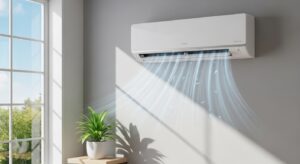
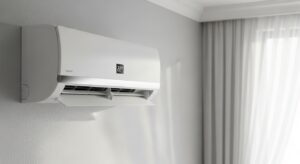
A ductless system pairs one or more indoor heads with an outdoor unit via refrigerant lines, power, and communication cables. Each indoor unit controls comfort for its zone, allowing precise temperature targeting and reduced energy waste. Because ductwork is eliminated, airflow dynamics hinge on the cleanliness and placement of the indoor heads, plus the integrity of line sets and drain lines.
These systems shine in tricky Illinois spaces: third-floor rooms that overheat, sunrooms with wide glass, or basements that need both cooling and dehumidification. With fewer hidden paths, symptoms often appear right at the head, making visual checks useful—if you know what to look for.
Early Warning Signs You Should Not Ignore
- Reduced cooling from a single head while others perform normally.
- Condensate dripping or staining on the wall beneath an indoor unit.
- Intermittent beeping or status lights that do not match the usual pattern.
- Short cycling accompanied by minor temperature swings.
- New rattles, buzzes, or fan noise that persists after filter cleaning.
Small issues tend to compound under peak load. A partially clogged drain can turn into water damage, while a weak fan can stress compressors and electronics. Prompt attention keeps the system running smoothly and avoids wider impacts on your home.
DIY Checks Before You Call
There are safe steps you can take before scheduling service. Start by cleaning the washable filters on each indoor head and making sure the intake is not blocked by curtains or furniture. Confirm that the remote or wall controller is set to the desired mode and that the setpoint is sensible. Check for tripped breakers and gently inspect for visible ice on lines or coils—if you see icing, turn the system off and allow it to thaw before further evaluation.
Also examine the area around the outdoor unit. Clear away vegetation, cottonwood fluff, and debris. Ensure that the line set insulation is intact and that the drain termination is not obstructed. Document any error codes on the display or via the manufacturer’s blink pattern chart from your manual.
Why Ductless Diagnostics Are Different
Mini-splits communicate in ways that central systems do not. Error codes, inverter boards, and variable-speed fans create a diagnostic landscape that rewards training and specialized tools. A qualified technician will interpret status lights, verify electrical signals to motors and boards, check refrigerant performance under variable load, and test condensate pumps if installed. They will also evaluate placement and mounting to rule out vibration-induced noise or improper airflow patterns that make a good system feel underpowered.
Repair plans should address both the failure and its upstream causes. For example, correcting a drainage issue may involve clearing the trap, flushing lines, and re-leveling the unit to restore the designed slope. Electrical findings might call for securing connections, replacing a fatigued board, or updating surge protection to shield sensitive components.
Common Illinois Mini-Split Issues
- Condensate problems in high-humidity stretches, leading to dripping or overflow alarms.
- Outdoor unit airflow restrictions from cottonwood or landscaping growth.
- Error codes after power blips or lightning, affecting communication between indoor and outdoor units.
- Fan noise due to worn bearings or debris trapped in the blower wheel.
- Performance loss from gradual refrigerant leakage at flare connections or damaged line sets.
When Replacement Is Not the Only Answer
Some failures masquerade as terminal, but careful diagnostics can restore serviceable equipment. A failed fan motor, for instance, may be replaced with a matching part and firmware update. A persistent leak can often be resolved by correcting flares, pressure testing, evacuating properly, and recharging to manufacturer specifications. The key is a methodical process that validates performance after the repair, not just at idle but across a range of speeds and modes.
The best technicians will invite you to observe test results and explain how the numbers support the final adjustments. You should leave the appointment understanding how the system is expected to behave and what to watch for in the first days after the repair.
Airflow and Comfort Tuning
Even a perfectly repaired system can underperform if airflow is not tuned to the room. Pay attention to throw distance from the head to the far wall, furniture placement, and how doors are used. Small adjustments to vane direction, fan speed, or head placement can eliminate hotspots and reduce cycling. If you are finishing an attic or converting a porch, talk to your technician about heat gain and head sizing so that your zones remain balanced during peak sun.
Humidity management is equally important. Variable-speed operation should wring moisture from the air during long runtimes, but clogged filters, dirty coils, or oversized heads can hinder dehumidification. Cleaning and calibration restore both temperature and moisture control, giving your space a crisp, comfortable feel.
Maintenance That Protects Your Investment
- Clean or wash indoor filters routinely, more often during pollen and cottonwood season.
- Schedule coil cleanings to keep efficiency high and maintain quiet operation.
- Inspect line set insulation annually and replace sections that have deteriorated.
- Flush condensate lines and test pumps before the most humid months.
- Review mounting hardware and vibration isolation to keep noise in check.
Working With the Right Professional
Ductless systems benefit from technicians who handle them daily. Ask potential providers about brand familiarity, access to factory support, and the tools they use for inverter diagnostics. Inquire about their process for leak checks, evacuation, and weighing in refrigerant. Attention to detail on these steps separates guesswork from reliable results.
Presentation matters, too. Expect protective coverings, careful wall access where lines pass through, and thorough cleanup. Documentation should outline what was tested, what was found, and how the fix addresses the cause, not just the symptom.
When Multiple Zones Misbehave
Symptoms across several heads suggest a shared issue: outdoor unit performance, communication wiring, power quality, or refrigerant level. Rather than chasing each head in isolation, a holistic approach tests common pathways first. Once the shared cause is addressed, heads can be fine-tuned individually to restore balance across the home.
If your home has grown—perhaps a new office or a finished room—discuss whether the existing system still matches the load. Strategically adding a head or adjusting placement may provide far better comfort than pushing one zone to do everything.
Frequently Asked Questions
Q: Why does one head drip while others are fine? A: That zone may have a clogged drain, improper slope, or a failing condensate pump. Quick attention prevents wall damage and odors.
Q: My system shows an error code after a storm. What should I do? A: Note the code, safely power cycle once, and call for service if the code returns. Surges can disrupt communication or damage boards that need professional assessment.
Q: How often should I clean filters? A: Many homes benefit from monthly checks during peak season, with cleaning as needed. Households with pets or nearby trees may need more frequent attention.
Q: Can I relocate an indoor head easily? A: Relocation requires careful planning for line sets, drains, power, and aesthetics. Work with a technician who will re-evaluate sizing and placement to avoid new comfort issues.
Q: Is a light rattle a concern? A: Persistent new noises deserve a check. Loose panels, debris in the blower, or fan wear can escalate if ignored.
Restore Quiet, Targeted Comfort
When a ductless system struggles, prompt, informed action keeps your home comfortable and your walls dry. Choose a technician who pairs brand expertise with careful diagnostics and respect for your space. For dependable results grounded in proven air conditioning repair practices, schedule service and reclaim the crisp, quiet comfort your ductless system is designed to deliver.