Your Illinois Air Conditioning Repair Checklist
Illinois summers can swing from pleasant to punishing in a day. When your AC hesitates, a structured approach helps you stabilize comfort fast and gives your technician the context needed for a precise repair. This comprehensive checklist blends homeowner steps with professional guidance so you can move from symptoms to solutions efficiently and confidently.
If you are just starting the process of finding help, streamline your search by looking for established providers of air conditioning repair that prioritize clear communication, thorough diagnostics, and respect for your home. The right partner will complement your preparation with disciplined testing and durable fixes.
Step 1: Clarify Symptoms
Write down what you notice and when. Is the system not cooling at all, cooling unevenly, short cycling, or producing unusual sounds? Do you feel humidity lingering even when the thermostat says you have reached your setpoint? Precise notes help triage the call and focus the diagnostic plan when the technician arrives.
Track any patterns: time of day, weather conditions, and which rooms are most affected. These details often point toward airflow, insulation, or equipment issues that do not show up in a quick glance.
Step 2: Safe Checks You Can Do
- Confirm the thermostat is set to cool and that the setpoint is reasonable for current conditions.
- Check the breaker and service switch; restore power once if tripped, but avoid repeated resets.
- Inspect the filter and replace or clean if dirty; restricted airflow can mimic more serious failures.
- Ensure supply registers and returns are not blocked by furniture, rugs, or drapes.
- Look for water around the indoor unit; moisture may indicate a clogged drain or frozen coil.
Step 3: Stabilize the Home
Close shades in sunny rooms, run ceiling fans to circulate air, and avoid heat-generating activities until cooling is restored. If humidity is high, consider using a portable dehumidifier to protect finishes and improve comfort. These steps keep the environment manageable while you arrange service.
Step 4: Prepare for the Technician
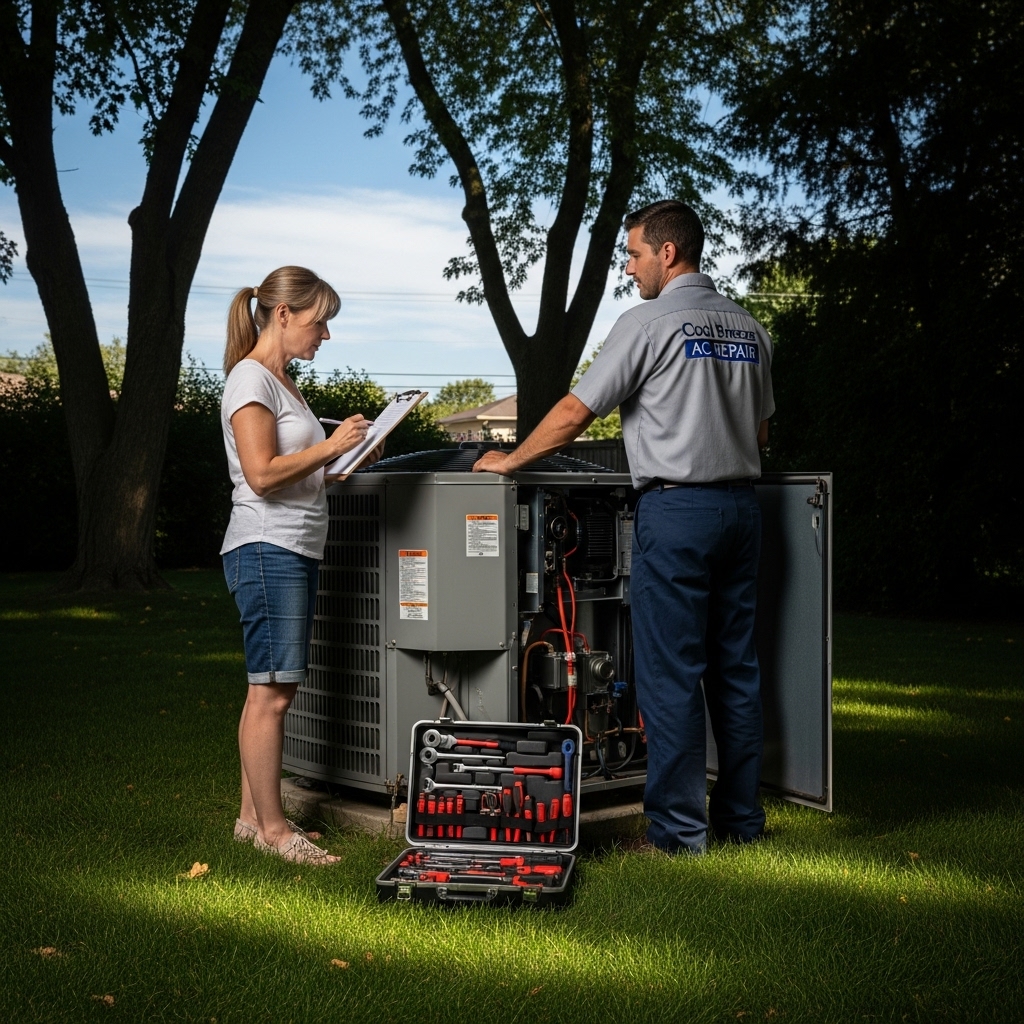
Clear access to the indoor unit, thermostat, electrical panel, and outdoor condenser. Secure pets, and gather any previous service records. If you have noticed specific behaviors—like a buzz at startup, a click without fan movement, or repeated breaker trips—capture a short video. Visual evidence can be invaluable during diagnostics.
Step 5: Expect a Thorough Diagnostic
A quality diagnostic typically includes electrical tests, refrigerant performance checks, airflow measurements, and coil and drain inspection. The technician should explain findings and outline options clearly, separating required repairs from recommended maintenance and optional enhancements. This clarity helps you make decisions that align with your priorities and schedule.
Step 6: Discuss Parts and Timing
Ask about parts availability and lead times. Many common components are stocked on trucks or locally, while specialized boards may require ordering. A transparent timeline sets expectations and reduces friction. If temporary stabilization is possible, your technician will let you know how to operate safely while awaiting parts.
Step 7: Combine Repair With Preventive Steps
Use repair day as a reset. Cleaning coils, clearing drains, and verifying airflow reduce strain on the system and help the repair last. If your home has changed—new windows, added insulation, or a remodeled space—discuss whether airflow adjustments could improve comfort more broadly.
Seasonal Considerations in Illinois
Spring debris and cottonwood can clog outdoor coils quickly, making early-season cleaning especially valuable. Mid-summer storms can drive moisture into basements and trigger condensate alarms. Late-season heat waves can expose borderline electrical components that survived earlier months. Ask your technician to tailor maintenance to these regional patterns.
Indoor Air Quality and Comfort
Comfort is more than a number on the thermostat. Balanced airflow, clean coils, and proper blower settings help with dehumidification and even temperatures. If you notice lingering humidity or rooms that lag, request an airflow assessment. Small changes to duct balance or fan speed can yield large improvements in daily comfort.
Homeowner Maintenance Calendar
- Monthly during peak season: check filters; clean or replace as needed.
- Early summer: rinse outdoor coils and clear vegetation and lint around the condenser.
- Mid-summer: verify condensate drainage and test float switches if present.
- Anytime comfort changes: check supply and return openings for obstructions.
- Before a trip: set a stable thermostat schedule and ensure the system cycles properly.
Red Flags and When to Stop
Stop operation and call for service if you hear grinding, smell burning, see ice forming on lines or coils, or find water near electrical components. Avoid forcing restarts after repeated breaker trips. Running a struggling system can escalate damage and extend downtime.
What a Good Service Report Includes
Your service report should document test readings, parts replaced, work performed, and recommendations for follow-up. Keep this record with your home files so future visits start with context. Strong documentation shortens diagnostics and prevents redundant work.
Coordinating Multiple Issues
Complex homes often present layered problems: a weak capacitor plus a clogged coil, or a marginal blower combined with duct restrictions. Ask your technician to prioritize fixes by safety, stability, and comfort impact. Staging work in the right order can restore reliability quickly and allow elective upgrades when convenient.
Frequently Asked Questions
Q: How fast should I expect service during a heat wave? A: Well-organized teams provide clear arrival windows and updates. Describing symptoms and being flexible with timing can help you secure the earliest slot.
Q: What should I check before calling? A: Thermostat mode and setpoint, filter condition, breakers, visible water, and whether the outdoor unit is running. Share any error codes or unusual noises.
Q: Can I run the fan only while waiting? A: Often yes, but if you suspect electrical damage or hear sharp mechanical noises, keep the system off until evaluated.
Q: How can I reduce future issues? A: Combine today’s repair with cleaning, airflow verification, and drain maintenance. Keep filters on schedule and maintain clearance around the outdoor unit.
Q: Do I need to be home during service? A: It is best to be available to describe symptoms, approve work, and review findings. If you cannot be present, arrange clear access and confirm communication preferences.
Choosing the Right Local Partner
Look for a provider that communicates clearly, documents thoroughly, and respects your home. Ask about technician training, parts strategy, and how they prioritize calls during peak demand. A strong service culture shows in punctual arrivals, organized work, and thoughtful explanations.
From Checklist to Comfort
By following this checklist, you set the stage for efficient diagnostics and durable repairs. With your notes and preparation, a capable technician can move quickly from problem to solution and leave you with a system that is ready for the next heat wave.
Restore Reliable Cooling Now
If your AC needs attention, connect with a trusted local team known for clear communication, thorough diagnostics, and dependable air conditioning repair. Reach out to schedule service and bring your home back to cool, even comfort so you can enjoy the season with confidence.