
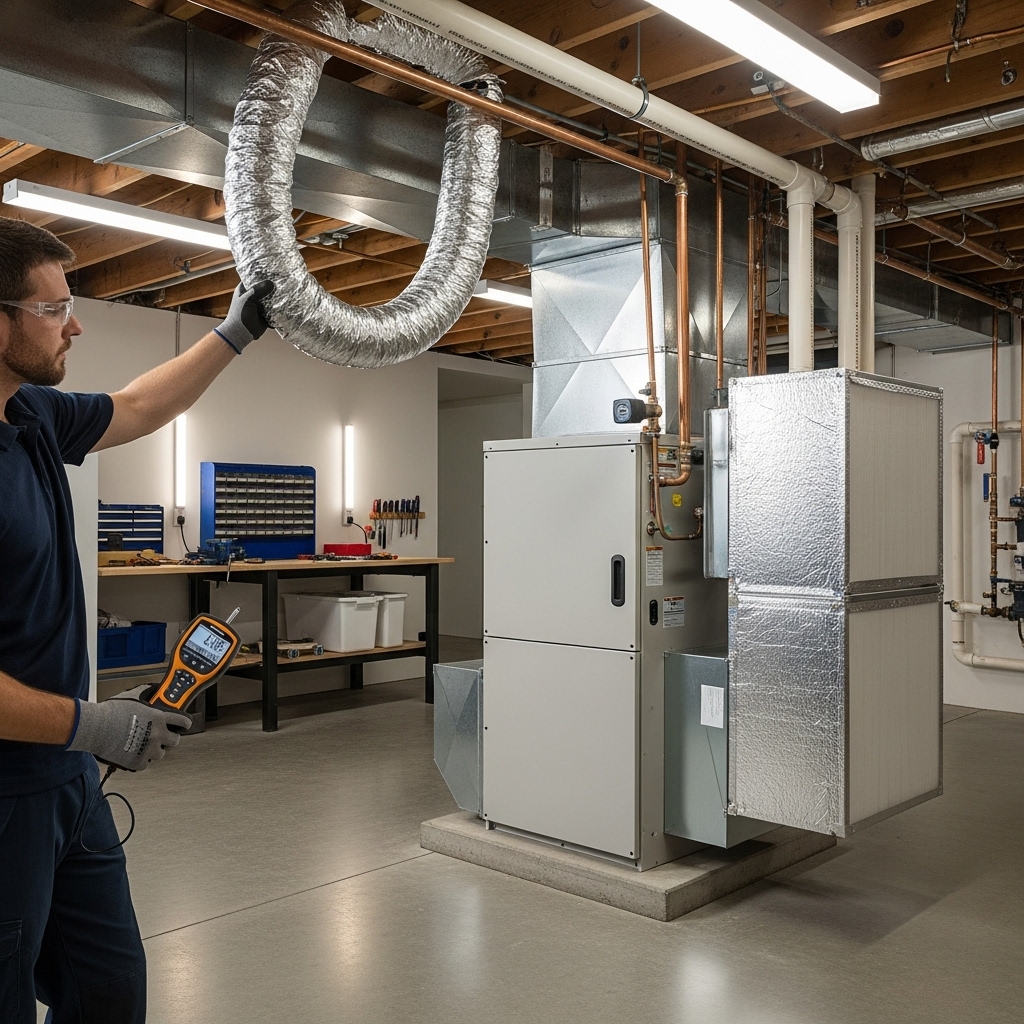
Getting a new air conditioner into your Illinois home can feel like a big project, but a step-by-step plan makes the process manageable and predictable. The guide below walks you through each stage, from assessing your house to commissioning the equipment. If you want a head start with professional guidance or a detailed overview of best practices, you can review expert insights on air conditioning installation before you begin. With the right preparation, you can achieve consistent comfort, better humidity control, and dependable performance during the hottest days of summer.
Step 1: Evaluate Your Home’s Cooling Needs
Start by understanding the unique conditions of your property. Illinois homes range from brick bungalows and vintage farmhouses to newer builds with open floor plans, each presenting different challenges for airflow and insulation. Capture the variables that affect your cooling load:
- Insulation Levels: Attic, wall, and basement insulation determine how quickly your home gains or loses heat.
- Air Leakage: Identify drafts and seal openings to reduce load and improve comfort.
- Sun Exposure: Window orientation and shading influence room-by-room temperatures.
- Occupancy and Equipment: More people and heat-producing appliances increase internal gains.
Step 2: Perform a Professional Load Calculation
A Manual J load calculation ensures your system is sized to your home, not to guesswork. This calculation accounts for orientation, construction, and ventilation; it prevents common issues such as short cycling and poor humidity control. With an accurate load, you can select the right equipment tonnage and airflow requirements.
Step 3: Choose Equipment and Configure Components
With your load known, select a matched condenser, coil, and air handler that meet your comfort and efficiency goals. Consider the following when choosing equipment:
- Staging or Variable Speed: Multi-stage and variable-speed units deliver better humidity control and quieter operation than single-stage units.
- Blower Technology: ECM blowers maintain airflow more consistently across changing conditions.
- Controls: Thermostats with dehumidification and staging logic can improve comfort significantly.
- Filters and IAQ: Pair your system with a filter cabinet sized for low pressure drop; consider UV or advanced filtration if allergies are a concern.
Step 4: Confirm Illinois Codes and Permitting
Before any work begins, check with your local building department. Most Illinois municipalities require mechanical and electrical permits for a new or replacement system. Understand the inspection schedule and any local amendments about disconnect placement, pad size, condensate termination, and refrigerant handling. Keep records and equipment documentation for permits, warranties, and future real estate transactions.
Step 5: Prepare Tools, Materials, and Safety Measures
Plan your tools and protective gear. You will need a vacuum pump, micron gauge, manifold gauges, torque wrenches, tubing tools, electrical testers, sealants, mastic, and proper wire and breakers. Safety is critical: lockout/tagout procedures, proper PPE, safe brazing practices with nitrogen purge, and attention to ladder safety and confined spaces all reduce risks during installation.
Step 6: Set the Outdoor Unit
Install a level, stable pad and place the condenser with required clearances on all sides and above. Anchor the cabinet per manufacturer instructions and locate it to reduce noise near bedrooms and neighbor property lines. Install a weather-rated disconnect within line of sight and run the whip to the unit. Plan your line set route to minimize bends and protect insulation from sunlight and pests.
Step 7: Install the Indoor Coil and Air Handler
Mount the evaporator coil in a position that allows easy service access and correct condensate drainage. When brazing line set connections, purge with nitrogen to prevent oxidation and internal contamination. Install a filter drier in the liquid line, observing flow direction. Ensure the coil enclosure is sealed to prevent air bypass and condensation issues.
Step 8: Address Ductwork and Airflow
Evaluate the ducts to ensure they can deliver the required airflow without excessive static pressure. Seal joints with mastic or UL-181 tape, insulate ducts in unconditioned spaces, and correct undersized returns or long runs that restrict airflow. After installation, measure static pressure and adjust blower speed to meet manufacturer guidelines.
Step 9: Manage Condensate
Set up a primary drain with a proper slope and install a secondary drain or float switch to prevent water damage. If gravity drainage is not possible, use a rated condensate pump and verify discharge into an approved location. Test the drain for reliable flow before commissioning.
Step 10: Wire Power and Controls
Connect dedicated power to the outdoor unit with correct conductor size and overcurrent protection. Wire low-voltage controls between thermostat, air handler or furnace, and condenser, labeling each conductor. Midway through the process, revisit professional best practices for air conditioning installation to validate control strategies, staging logic, and dehumidification settings tailored to Illinois humidity.
Step 11: Evacuate, Charge, and Test
Pull a deep vacuum, confirm with a micron gauge, and hold to check for leaks. Weigh in the charge per manufacturer instructions, adjusting for line set length if required. With the system running, verify superheat and subcooling, measure supply/return temperature split, check amperage draw, and record static pressure. Document all results for future maintenance.
Step 12: Fine-Tune Comfort and Efficiency
Dial in blower speeds, thermostat staging thresholds, and dehumidification settings. Confirm that rooms receive balanced airflow; adjust dampers cautiously. Encourage the household to use consistent setpoints to maintain humidity without unnecessary cycling. If your home has large variations between levels, consider zoning or smart vents with careful attention to static pressure and airflow limits.
Step 13: Orient the Homeowner
Walk through filter replacement, thermostat programming, drain safety features, and any maintenance schedules. Provide warranty details and installation documentation, including measurements taken during commissioning, permit paperwork, and equipment model/serial numbers.
Maintenance Tips for Illinois Homes
To protect your investment, schedule regular service. Illinois summers bring heavy cottonwood and dust that can load coils and filters quickly. Clean the outdoor coil annually, change filters regularly, check condensate drains before peak cooling season, and have a professional verify refrigerant charge and electrical components each spring.
Common Mistakes to Avoid
- Oversizing the System: Leads to short run times and poor humidity control.
- Neglecting Ducts: Even the best equipment fails to deliver if ducts are restrictive or leaky.
- Skipping Nitrogen Purge: Oxidation during brazing can damage TXVs and compressors.
- Improper Drainage: Without a float switch or secondary drain, water damage is a risk.
- Rushing Commissioning: Accurate measurements are essential for performance and longevity.
FAQ
Q: How long does installation typically take? A: A straightforward replacement may take one day, while extensive duct modifications can add time. Permits and inspections may also affect scheduling.
Q: Do I need new ducts? A: Not always. Many homes can reuse ducts after repairs and resizing critical runs. A pressure and airflow assessment will guide the decision.
Q: What about indoor air quality? A: Larger filter cabinets, high-quality filters, and proper humidity control contribute to healthier air. Discuss options like UV treatment or advanced media filters.
Q: Can I install the system myself? A: Some tasks are DIY-friendly, but electrical work, refrigerant handling, and commissioning require expertise and proper licensing. Consider a hybrid approach with professional oversight.
Q: What thermostat should I choose? A: Select a model compatible with your equipment stages and dehumidification features, and ensure it is programmed for your system’s capabilities.
Your Next Step
With a clear sequence of steps and a focus on testing, you can achieve reliable comfort tailored to Illinois conditions. If you prefer a turnkey experience or want expert help with any stage, schedule a consultation with a trusted local team. Start planning your project by exploring professional resources for air conditioning installation and take the first step toward a cooler home this summer.