
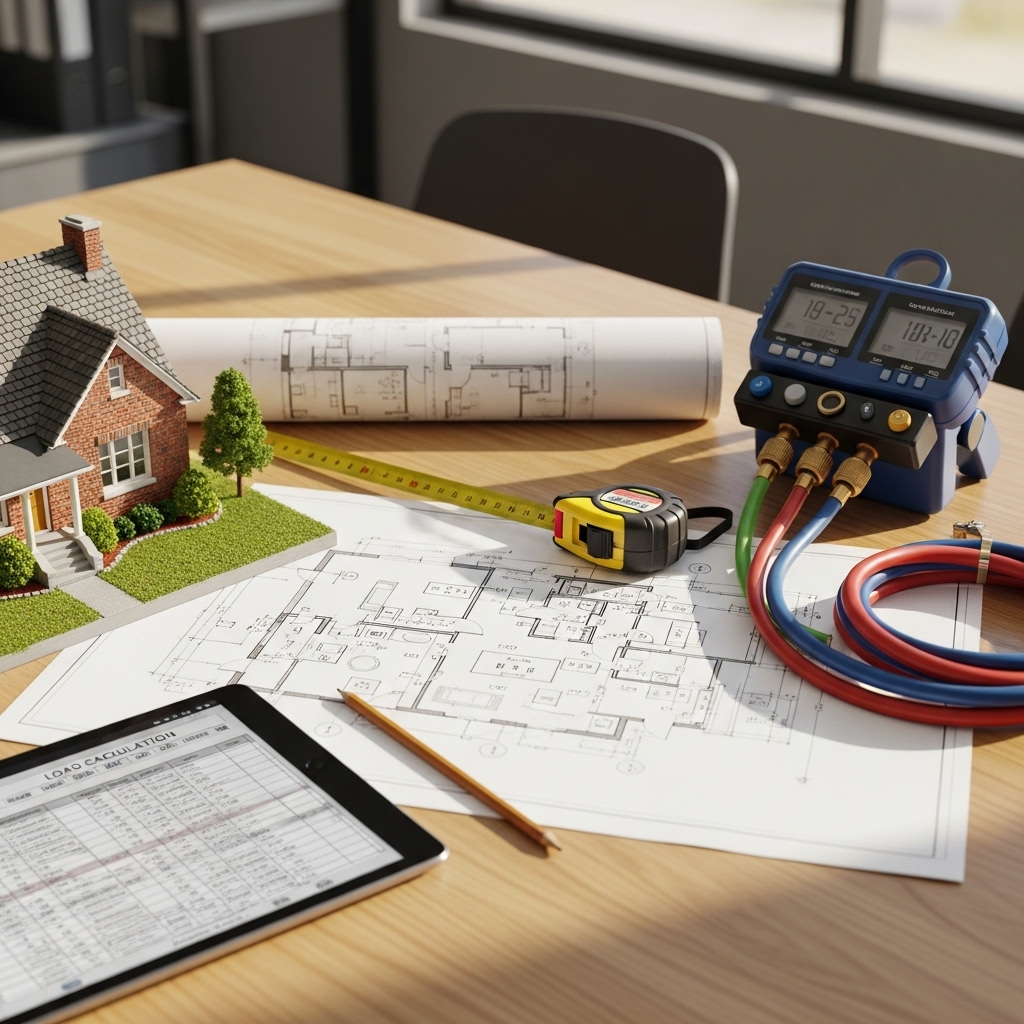
Understanding the full air conditioning installation process helps Skokie homeowners set expectations, avoid delays, and ensure a high-quality outcome. From the first assessment to the final walkthrough, each stage shapes comfort, efficiency, and long-term reliability. This step-by-step overview explains what professionals do, how you can prepare, and where decisions make the biggest difference. If you are planning a new system, it pays to learn the essentials of air conditioning installation so the journey from estimate to cool, even comfort is smooth.
Skokie neighborhoods feature a mix of architectural styles—brick bungalows, split-levels, and two-story houses—with basements, attics, and sometimes tight mechanical rooms. Your process may involve small variations, but the core principles remain the same: accurate sizing, clean airflow, safe electrical work, and careful drainage.
Use this guide as a clear roadmap, whether you are replacing a tired system or installing central cooling for the first time. Each phase highlights what to expect, what to ask, and how to verify quality.
Phase 1: Initial Consultation and Home Assessment
The process begins with a conversation about your comfort goals. A technician will evaluate your home’s layout, insulation levels, window orientation, and areas that run hot. They will inspect existing ductwork, the furnace or air handler, the electrical panel, and outdoor areas suitable for the condenser.
A load calculation should follow, establishing the cooling capacity your home needs. This calculation—not rules of thumb—guides equipment selection and prevents oversizing that can lead to poor humidity control.
Phase 2: System Design and Proposal
With load data in hand, the contractor designs a system that fits your home and priorities. This includes choosing equipment type (split system, heat pump, or ductless), verifying duct capacity, and deciding on thermostat and control strategies. The proposal should outline duct modifications, line set routing, condensate protections, electrical requirements, and commissioning steps.
Ask for measurable targets: airflow, static pressure limits, temperature split, and refrigerant charge criteria. A proposal that includes these details signals a focus on performance, not just installation speed.
Phase 3: Permitting and Scheduling
Skokie requires compliance with mechanical and electrical codes. Your contractor typically pulls permits and coordinates inspections at the right points—often at rough-in and final stages. Scheduling depends on material availability and inspection windows, so align your expectations early.
Phase 4: Pre-Installation Preparation
Before the crew arrives, clear pathways to the mechanical area, attic, or crawl spaces and secure pets. Identify where the outdoor unit will go and verify clearance from property lines, landscaping, and bedroom windows. If the project involves duct changes, move stored items away from trunks and returns so work proceeds efficiently.
Phase 5: Removal of Old Equipment
On installation day, the team will protect floors and work areas, then safely recover refrigerant from the old system. They disconnect and remove the existing condenser, coil, and any components slated for replacement. Proper disposal follows environmental guidelines and local regulations.
Phase 6: Ductwork Modifications
If the assessment revealed airflow limitations, duct changes are performed now. This can include adding return runs, resizing trunks, sealing joints, and improving transitions to reduce turbulence. Attention to duct details pays off in quieter operation and more even temperatures.
Phase 7: Setting the Outdoor Unit
The condenser is set on a level, stable pad with anti-vibration materials. Clearances are measured to manufacturer specifications to maintain airflow and service access. The crew routes electrical conduit and prepares the refrigerant line set path with protection against abrasion and weather.
Phase 8: Installing the Indoor Components
Indoors, the evaporator coil or air handler is installed with access for coil cleaning and filter replacement. Condensate drains are trapped correctly, sloped continuously, and outfitted with float switches and secondary protection where needed. Thermostat wiring and control boards are configured to match staging or variable-speed functions.
Phase 9: Refrigerant Lines, Evacuation, and Charging
Proper line set sizing and clean routing minimize pressure drop. The system is pressure-tested, evacuated to remove moisture and air, and charged according to manufacturer procedures. Technicians document superheat and subcooling to verify a correct charge that supports efficiency and reliability.
Phase 10: Electrical Connections and Safety
Electrical work includes verifying panel capacity, installing a properly rated breaker, and mounting a weatherproof disconnect within sight of the condenser. Grounding and bonding are confirmed, and low-voltage control wiring is neatly organized. Safety checks ensure that disconnects operate correctly and that the system responds to thermostat calls as intended.
Phase 11: Startup, Testing, and Balancing
The crew runs the system through startup, measuring static pressure, airflow, and temperature split. Blower speeds are adjusted to match design targets, and staging or variable operation is tested. Balancing supply registers and returns helps stabilize room-to-room temperatures, especially in multi-story homes.
Phase 12: Homeowner Orientation
Before the team leaves, you will receive a walkthrough covering filter access, thermostat operation, dehumidification options, and signs that merit a service call. Documentation—including model/serial numbers and commissioning data—should be provided and stored with your home records.
Phase 13: Post-Install Follow-Up
As you live with the system for a few weeks, monitor comfort, humidity, and noise. If you notice short cycling, warm rooms, or unusual sounds, contact your installer for fine-tuning. Minor adjustments to blower speed or balancing can make a big difference.
Skokie-Specific Considerations
Outdoor unit placement should respect neighboring properties in dense areas. For older masonry homes, plan penetrations for line sets carefully to protect the building envelope. Basements are common workspaces; ensure adequate lighting and clearances for both installation and future service.
Common Questions to Ask Your Installer
- How was the system size determined for my home?
- What duct changes are planned to achieve the target airflow?
- How will condensate be managed to protect finished spaces?
- What measurements will you provide at commissioning?
- Where will the thermostat be placed and why?
Mid-Process Reminder: Measure, Do Not Guess
In the middle of a project, timelines get busy and details can be missed. Request measured results for static pressure, airflow, and charge to ensure the installation meets design goals. Keeping the focus on professional air conditioning installation practices protects comfort and efficiency for years to come.
Maintenance and Long-Term Care
Plan for regular filter changes, outdoor coil cleaning, and seasonal inspections. Keep shrubs trimmed around the condenser and ensure the condensate line remains clear. Preventive maintenance catches small issues early—like worn contactors or algae buildup—before they become disruptive.
Frequently Asked Questions
Q: How long does the installation process take from start to finish? A: Project timelines vary, but many replacements are completed in a day, with more complex retrofits taking additional time. Permits, inspections, and material lead times influence scheduling.
Q: Can my existing ducts handle a new, more efficient system? A: Possibly. Efficiency upgrades often require reviewing duct capacity. Undersized returns or restrictive transitions may need adjustments to achieve the designed airflow.
Q: What steps ensure good humidity control? A: Correct sizing, longer run times via staging or variable-speed operation, proper blower settings, and airtight ducts all support effective moisture removal.
Q: Where should the thermostat go? A: Choose a location that reflects average conditions—away from sunlight, drafts, and supply registers—to prevent nuisance cycling and temperature swings.
Q: How do I minimize noise? A: Use anti-vibration pads under the condenser, secure line sets, and maintain proper duct sizing. Indoors, consider lined plenums and strategic return placement.
Final Quality Checks Before Sign-Off
- Commissioning data recorded and shared.
- Condensate protections verified and tested.
- Electrical labeling complete and disconnect operation confirmed.
- Thermostat programming explained and initial setpoints chosen.
Ready for a Smooth, Reliable Installation
When every stage—from load calculation to commissioning—is completed with care, your system will deliver quiet, even cooling through the hottest Skokie days. If you are ready to move forward, schedule your professional air conditioning installation with a team that documents design targets and proves performance with measurements. That attention to detail pays dividends in comfort season after season.