
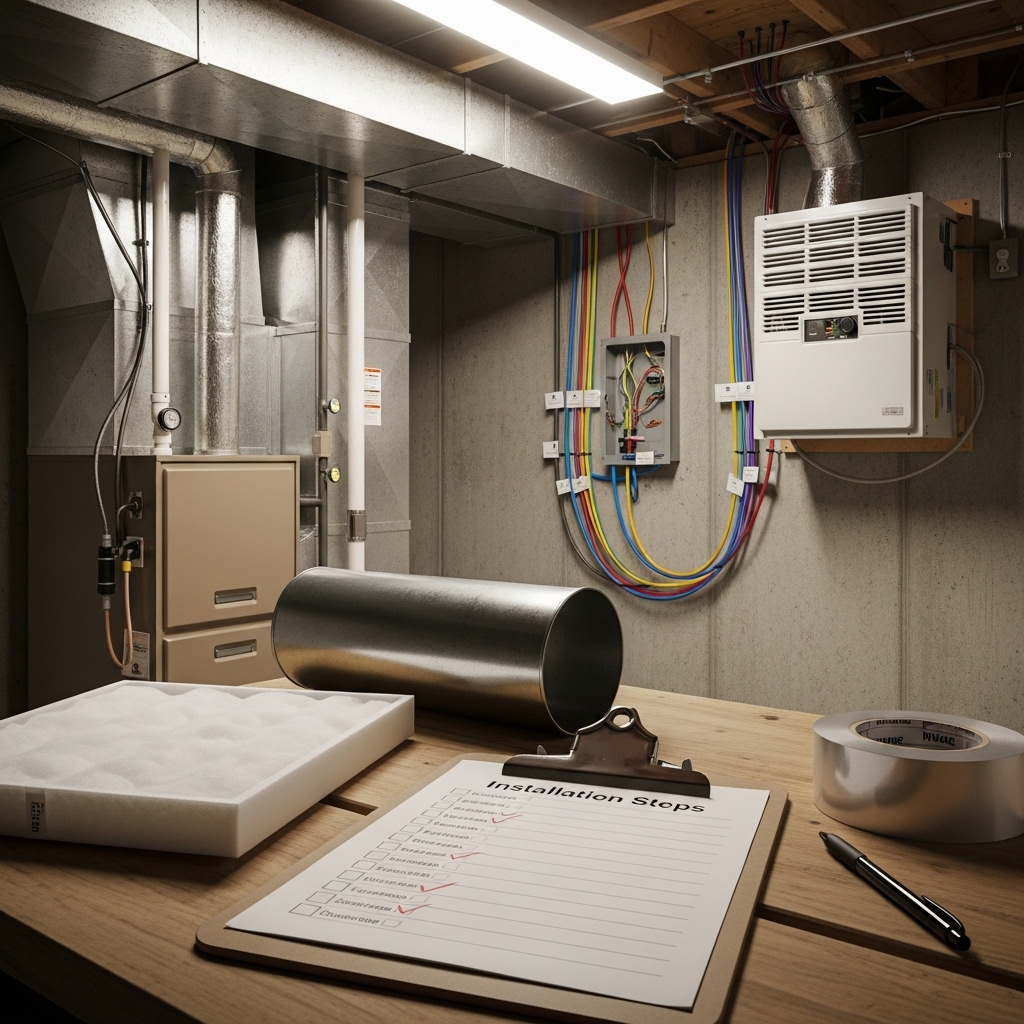
A successful air conditioning installation in Skokie, Illinois starts long before the crew arrives. The right checklist ensures your project covers sizing, code compliance, duct performance, electrical readiness, and the comfort details that make daily living easier. Use this thorough guide to coordinate with your installer, compare proposals, and verify that each step is completed to a high standard. By understanding the essentials of air conditioning installation, you can move from planning to first cool breeze with confidence.
Skokie’s humid summers and mixed housing stock—brick bungalows, split-levels, Cape Cods, and two-story homes—present varied challenges. This checklist supports both straightforward replacements and more complex retrofits. Follow each section as you prepare, supervise, and sign off on your new system.
Pre-Planning and Project Scope
- Define your goals: quieter operation, humidity control, zoning, or improved air quality.
- Decide if you are reusing ducts or adding/upgrading them.
- Identify spaces that are historically hard to cool (south-facing rooms, finished attics).
- Discuss timeline expectations, including permits and inspections.
Load Calculation and System Selection
- Request a room-by-room load calculation that factors in insulation, windows, and air leakage.
- Select system type: split system with furnace, heat pump, or ductless mini-split.
- Match indoor and outdoor components as specified by the manufacturer.
- Confirm dehumidification strategies (blower speed, staging, or supplemental equipment).
Ductwork Assessment and Upgrades
- Measure static pressure and verify target airflow for the selected equipment.
- Check supply and return sizing; add returns where needed to balance airflow.
- Seal and, if applicable, insulate ducts in unconditioned spaces.
- Plan for quiet operation with smooth transitions and adequate support.
Thermostat and Controls
- Select a thermostat compatible with staging and dehumidification features.
- Choose an installation location away from direct sun, drafts, and supply registers.
- Discuss zoning if upstairs areas run warmer, or if specific rooms need individualized control.
Outdoor Unit Placement
- Choose a level, stable pad location with manufacturer-recommended clearances.
- Avoid alcoves that promote hot air recirculation; ensure maintenance access.
- Consider sound levels relative to bedrooms and neighboring properties.
- Plan for winter conditions: snow clearance and protection from roof runoff.
Condensate Drainage and Protection
- Design a properly trapped drain with continuous slope and approved termination.
- Install float switches and secondary pans where water damage is a risk.
- Use a reliable condensate pump if gravity drainage is not available.
- Provide cleanouts for routine maintenance and algae prevention.
Electrical and Safety
- Verify panel capacity, breaker sizing, and grounding.
- Install a weatherproof disconnect within sight of the condenser.
- Label circuits, disconnects, and service panels for clarity.
- Check low-voltage wiring for neatness, strain relief, and proper routing.
Refrigerant Lines and Charging
- Select correctly sized line sets; avoid excessive lengths and sharp bends.
- Use high-quality insulation and protect routes from damage.
- Pressure test, evacuate, and charge to manufacturer specifications.
- Document superheat and subcooling targets and measured values.
Indoor Air Quality Options
- Evaluate filter type and size for balance between capture and airflow resistance.
- Consider energy recovery ventilation for fresh air in tight homes.
- Plan for humidity management through system controls or dedicated equipment.
Permitting and Inspections
- Confirm permit requirements with local authorities or your contractor.
- Schedule inspections at the right milestones (rough-in and final, if needed).
- Keep documentation and approvals organized for future property transactions.
Mid-Project Verification
- Before closing walls: verify duct sealing, line set pressure test, and electrical rough-ins.
- Confirm condensate routing and protections are in place.
- Adjust thermostat location if field conditions suggest a better spot.
Startup and Commissioning
- Measure static pressure, airflow, and temperature split.
- Verify blower speeds and staging/variable operation align with design.
- Confirm refrigerant charge via superheat and subcooling.
- Check system safeties, including float switches and disconnect operation.
Homeowner Orientation
- Review filter replacement schedule and access points.
- Demonstrate thermostat programming and dehumidification settings.
- Explain warning signs: unusual noises, water near equipment, or short cycling.
- Provide manuals, model/serial numbers, and commissioning data.
Seasonal Optimization
- Observe performance during a variety of weather conditions.
- Fine-tune balancing dampers for even temperatures.
- Consider minor duct or control adjustments after the first heat wave.
Skokie-Specific Considerations
- Brick and masonry exteriors require thoughtful line set penetrations to protect the envelope.
- Dense neighborhoods call for considerate condenser placement to minimize sound for neighbors.
- Basements are common—plan equipment clearances and service access accordingly.
Maintenance Checklist
- Replace filters on a regular schedule suited to your home and equipment.
- Keep vegetation trimmed around the outdoor unit for airflow and access.
- Inspect and clean the condensate trap and drain line seasonally.
- Schedule routine professional checks to verify charge and electrical health.
Mid-Project Reminder: Focus on Quality
In the middle of a busy retrofit, it is easy to lose sight of fundamentals. Revisit your priorities—steady comfort, humidity control, and quiet operation. Ask for measured results and keep the conversation centered on airflow, charge, and commissioning. If you need to confirm best practices, remember that professional air conditioning installation is built on documentation, not assumptions.
Frequently Asked Questions
Q: How long should a typical installation take? A: Straightforward replacements often take a day, while projects requiring duct changes or new electrical runs may take longer. Permits and inspections can add time to the overall schedule.
Q: What if my ducts are undersized? A: Options include adding returns, resizing trunks, and improving transitions. Even modest duct improvements can produce noticeable gains in comfort and noise reduction.
Q: Can I reuse my existing line set? A: Only if it is the correct size, cleanable, and in good condition. Otherwise, replacing the line set supports system performance and reliability.
Q: How do I protect finished spaces from water issues? A: Use secondary drain pans with float switches, trap the condensate line correctly, and select a reliable pump where gravity drainage is not possible.
Q: What should I monitor after startup? A: Listen for unusual noises, check for steady temperature and humidity, and ensure the condensate system drains freely. Contact your installer promptly if something seems off.
Final Walkthrough and Documentation
- Collect all manuals, model/serial numbers, and commissioning measurements.
- Verify labeling on breakers and disconnects.
- Review maintenance tasks and recommended service intervals.
- Keep permit approvals and inspection records with your home documents.
Make Your Skokie Home Summer-Ready
When each checklist item is addressed, you gain a quieter, more efficient system and a more comfortable home. If you are ready to move from planning to action, schedule your professional air conditioning installation with an experienced team that documents load calculations, verifies airflow, and commissions systems to spec. A well-executed project pays you back with dependable comfort season after season.