Air Conditioning Maintenance in Skokie: A Practical Checklist
Regular air conditioning maintenance keeps your home comfortable through humid Midwest summers, prevents unexpected breakdowns, and helps your system run more efficiently. If you live in Skokie, Illinois, you already know that summers can swing from mild to muggy in a matter of hours. That is exactly why a structured, easy-to-follow maintenance checklist matters. Whether you are a homeowner, a property manager, or new to caring for your HVAC system, the right routine can extend the life of your equipment and improve indoor air quality for everyone in your home. If you are starting your search for trusted help, a great place to begin is finding a reputable HVAC near me resource that understands local climate conditions and typical Chicagoland systems.
This guide walks you through what to do each season, the DIY tasks you can handle, and the moments when you should call a professional. You will also see how a maintenance-first mindset reduces energy waste, increases comfort, and lowers the chance of emergency repairs when temperatures peak. Use the following sections as a checklist you can revisit throughout the year.
Why Maintenance Matters in Skokie
Skokie’s mix of humid summers and cold winters puts unique stress on cooling equipment. Heat waves, rapid temperature changes, and high pollen counts can all impact performance. Without routine maintenance, dust and debris collect on coils, filters clog, airflow drops, and your system works harder than necessary. Over time, that strain can shorten the lifespan of critical components. Maintenance is not just about avoiding failures; it is about keeping your indoor environment healthier and more comfortable while maintaining consistent performance during peak demand periods.
Another benefit is predictability. When you inspect your system regularly, you can anticipate issues—like a drain line starting to clog or a fan belt beginning to wear—and address them before they cause larger problems. Predictable upkeep means fewer surprises during the hottest days of the year.
Seasonal Maintenance Timeline
Use this seasonal framework to plan your tasks. Think of it as a cycle that begins in spring and continues through winter, ensuring your AC is ready whenever heat returns.
- Spring: Deep cleaning, filter replacement, outdoor unit inspection, and thermostat calibration.
- Early Summer: Airflow checks, coil condition review, condensate drain confirmation, and performance test.
- Mid to Late Summer: Monitor system runtime, listen for unusual sounds, and verify even cooling in all rooms.
- Fall: Post-summer cleanup, final filter change of the cooling season, and protecting the outdoor unit.
- Winter: Periodic checks of the outdoor unit area and maintaining indoor air quality even when AC is idle.
Monthly DIY Tasks
Simple monthly tasks keep your system clean and efficient between professional checkups. Most of these require only basic tools and a few minutes.
- Check and replace or wash your air filter. If you have pets or allergies, you may need more frequent changes.
- Inspect supply and return vents. Make sure furniture or curtains are not blocking airflow.
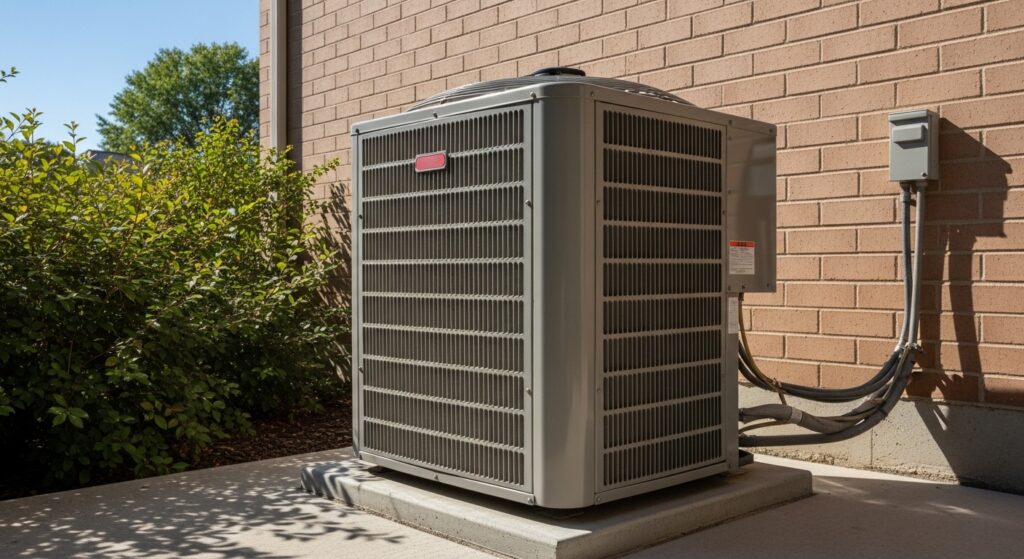
- Clear debris around the outdoor unit. Keep a two-foot clearance on all sides to allow proper airflow.
- Listen for new noises when the system starts and stops. Changes can signal wear or developing issues.
- Glance at the thermostat settings. Confirm the schedule matches your household routine.
Spring Preparation Checklist
Spring is the ideal time to get your AC ready for heavy summer use. Temperatures are mild, and scheduling a professional tune-up is often easier before the busiest season begins.
- Power off the system before cleaning. Safety first whenever you work near the equipment.
- Clean or replace the air filter. A fresh filter improves airflow and reduces strain on the blower motor.
- Inspect outdoor coils. Gently remove leaves and dirt from the condenser fins. Avoid bending the fins.
- Check the condensate drain line. Ensure it is clear and water flows freely to the drain point.
- Test the thermostat. Verify accurate readings and consider upgrading to a smart thermostat for better scheduling.
- Run a short cooling cycle. Listen for rattles, buzzing, or grinding, and look for uneven airflow at vents.
Summer Performance Tips
When the heat rises in Skokie, keep your system steady by paying attention to runtime, airflow, and comfort levels. A few small habits can make a big difference.
- Use ceiling fans to support comfort without lowering the thermostat too far.
- Close shades during peak sun hours to reduce heat gain.
- Avoid heat-producing activities during the hottest part of the day when possible.
- Walk room to room occasionally to confirm even cooling and spot issues early.
If you notice hot spots, reduced airflow, or short cycling, it is time to review filters, vents, and the outdoor unit for blockages. Quick attention now can prevent larger mid-summer problems.
Fall Clean-Up and Protection
After the cooling season, do a final cleanup. Remove leaves and debris from around the condenser, check the condition of the fins again, and perform one more filter change if needed. Some homeowners use a breathable top cover for the outdoor unit to keep leaves out, but avoid full wraps that trap moisture. Keep at least a few feet of space clear around the unit to prevent future buildup.
Winter Watchlist
Even when your AC is not running, winter can affect outdoor components. After snow or ice events, verify that the area around the unit remains clear. Do not chip ice off the equipment; instead, allow natural melt. Indoors, continue monitoring air quality and humidity since your filter and vents still influence overall comfort and cleanliness.
Indoor Air Quality and Your AC
Clean filters capture dust and allergens, which can be especially helpful during peak pollen seasons. Consider higher-efficiency filters if your system supports them, but always match the filter to the blower’s capabilities to avoid restricting airflow. Beyond filters, regular coil cleaning and drain maintenance help prevent microbial growth and odors.
Signs Your System Needs Attention
Maintenance often reveals early warning signs. Keep an eye and ear out for the following:
- Reduced airflow or rooms that never reach the set temperature.
- Short cycling, where the system starts and stops repeatedly.
- Unusual sounds such as squealing, grinding, or rattling.
- Unexplained spikes in energy use that do not match normal seasonal changes.
- Moisture around the indoor unit or a musty smell from vents.
If any of these persist after basic checks, it may be time to coordinate a professional assessment. A local team can evaluate refrigerant levels, electrical components, and system performance beyond DIY scope. When comparing options, many homeowners search for HVAC near me providers familiar with Skokie homes and building styles.
Professional Maintenance Versus DIY
DIY tasks include filter changes, clearing debris, and listening for unusual sounds. Professional maintenance typically involves checking refrigerant charge, verifying electrical connections, testing capacitors and contactors, cleaning coils with the proper solutions, measuring static pressure, and confirming temperature split across the evaporator coil. The pro’s detailed inspection helps identify small issues before they become emergency repairs, and it validates that your equipment is operating within specifications for the season.
Another advantage of professional service is documentation. Maintenance records can be helpful for equipment warranty support and useful when selling a home, demonstrating that the system has been responsibly cared for.
Energy-Smart Habits for Longevity
Equipment lasts longer when it is not constantly pushed to the limit. Consider these habits:
- Keep thermostat schedules consistent rather than making dramatic daily changes.
- Seal air leaks in attics, basements, and around windows to reduce workload.
- Use proper insulation and shading to limit heat gain.
- Maintain clear supply and return pathways so the blower does not work overtime.
Troubleshooting Minor Issues
Before calling for help, try these quick checks:
- Confirm the thermostat is set to Cool and the batteries are fresh.
- Ensure the breaker or disconnect has not tripped.
- Inspect the air filter; replace it if it looks dirty.
- Verify the outdoor unit fan is spinning when the system is running.
- Look for ice on the refrigerant lines; if present, turn the system off and let it thaw before restarting.
If the issue persists, stop troubleshooting and seek professional support to avoid causing damage.
Frequently Asked Questions
Q: How often should I change my AC filter in Skokie? A: Check monthly during peak season and replace at least every one to three months, depending on filter type, pets, and allergy concerns.
Q: When is the best time for a professional tune-up? A: Early spring is ideal so your system is ready before the first heat wave and appointment availability is better.
Q: Can maintenance really reduce breakdowns? A: Yes. Cleaning coils, clearing drains, and verifying electrical components catch small issues early and lower the chance of emergency calls during extreme heat.
Q: What can I do to improve airflow? A: Keep vents open and unblocked, replace filters consistently, and ensure the outdoor unit has a clear perimeter to breathe.
Q: Should I cover the outdoor unit in winter? A: A breathable top cover to keep leaves out can help, but avoid full wraps that trap moisture and invite corrosion.
Ready for Reliable AC Care in Skokie?
Stay ahead of the heat with a simple plan: follow the checklist, schedule routine inspections, and address small issues promptly. If you would like expert guidance or a thorough maintenance visit from a local team that understands our climate, connect with a trusted professional by searching for HVAC near me. Keep your system clean, efficient, and ready for every hot day ahead.