AC Inspections in Skokie: What to Expect from a Professional Visit
Whether you are preparing for the first heat wave of the season or responding to uneven cooling, a professional air conditioning inspection provides clarity on system health and performance. In Skokie, Illinois, weather swings can challenge equipment and make small issues feel bigger than they are. Knowing what an inspection covers, how to prepare, and what information you will receive helps you get more value from the visit. If you are still selecting a provider, start your search locally by reviewing reputable options for HVAC near me so you can compare availability and services.
This overview explains pre-visit preparation, the diagnostic steps technicians follow, measurements you can expect to see, and how to use the results to plan next steps, whether that means a tune-up, a repair, or a future upgrade.
Before the Technician Arrives
A few minutes of prep improves access and speeds up the inspection. Clear a path to the thermostat, indoor air handler, and outdoor condenser unit. Locate your air filter size and the last time it was replaced. If you have noticed specific symptoms—like hot rooms, unusual sounds, or short cycling—make a short list and note when they occur. This information helps the technician zero in on likely causes quickly.
If possible, gather maintenance records or recent repair notes. Understanding what has already been done prevents duplicate efforts and provides context for the technician’s diagnostics.
Initial Conversation and Visual Inspection
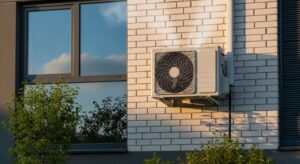
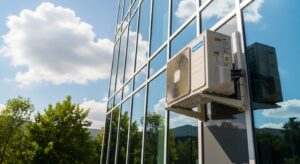
The visit usually begins with a conversation about your comfort goals and any concerns. The technician will perform a visual check of equipment, looking for debris, corrosion, loose connections, or signs of leaks. They will inspect thermostat placement and settings, confirm the filter condition, and verify that vents and returns are unobstructed. Outdoors, they will check clearances, coil cleanliness, and fan operation.
Electrical and Control Checks
Safe, stable electrical supply is foundational to reliable cooling. Expect the technician to test capacitors, contactors, relays, and wiring connections. They may verify voltage at the condenser and the air handler, inspect the disconnect, and test safety switches. If the system has a history of nuisance trips, they will look for overheated components or loose terminals.
Airflow and Duct Considerations
Airflow problems can masquerade as cooling issues. During an inspection, the technician may measure static pressure, check blower speed, and look for duct restrictions. They will ensure the return and supply sides are balanced and that the filter type is appropriate for the blower. Proper airflow protects the compressor and coil while improving comfort and humidity control.
Refrigerant and Coil Health
With the system running, technicians may measure temperatures at the supply and return to calculate temperature split. They may attach gauges or use sensors to evaluate refrigerant conditions when appropriate. Clean coils and correct refrigerant levels help the system transfer heat effectively, reduce runtime, and maintain stability during hot stretches.
Condensate Drain and Moisture Management
In humid weather, drain systems work hard. The technician will confirm that the condensate drain line is clear, that any float switches function, and that the drain pan is watertight. Proper drainage prevents water damage, odors, and system shutdowns due to safety switches.
Thermostats and Smart Controls
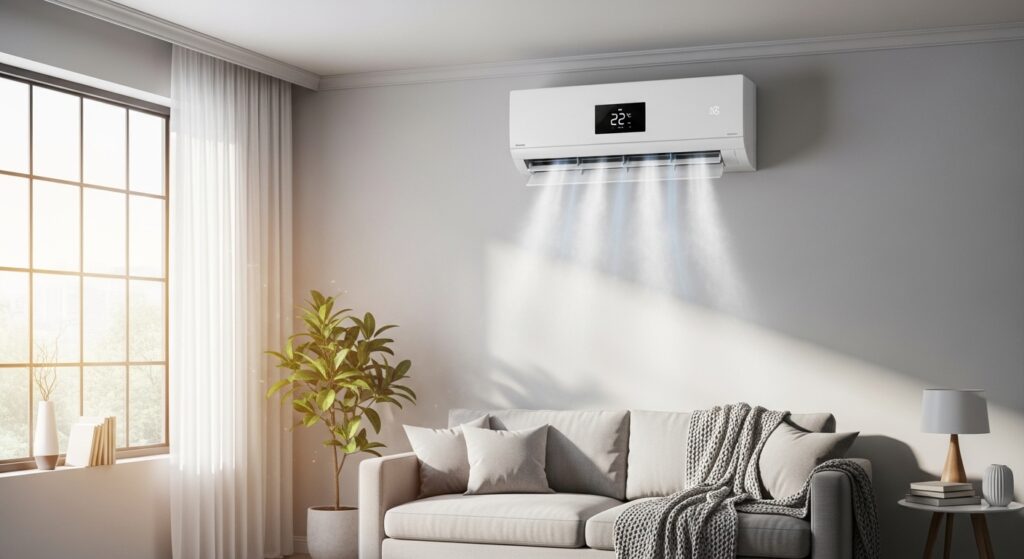
Modern controls add scheduling, learning, and remote monitoring that can improve comfort and efficiency. During the inspection, settings may be adjusted, firmware updated, or features explained to help you get the most from your thermostat. If zoning is present, the technician will verify damper operation and coordination between zones.
What Results You Should Receive
At the end of the inspection, expect a summary that covers condition, measurements, and recommendations. This may include filter type and replacement guidance, coil cleanliness, temperature split, airflow notes, drain status, and any parts showing wear. You should understand which items are urgent, which are preventive, and which are optional upgrades for comfort or air quality.
How Often to Schedule Inspections
For most Skokie homes, a comprehensive AC inspection is recommended once per cooling season, ideally in spring. Systems with heavy use, pets, or recent renovations may benefit from additional checks. Routine inspections reduce surprises during heat waves and keep your equipment operating as designed.
Using Inspection Insights to Plan Next Steps
If the inspection reveals issues, your technician will outline options. That might mean a tune-up with coil cleaning, a repair for a worn electrical part, or duct improvements for better airflow. Sometimes, the best course is to monitor a non-urgent concern and recheck it later. The goal is to match solutions to your comfort needs and budget priorities.
Skokie-Specific Considerations
Our region’s humidity and seasonal pollen can influence filter selection and cleaning intervals. Outdoor units may collect cottonwood or leaves, requiring more frequent light cleaning. Technicians familiar with local conditions can tailor recommendations, from filter MERV ratings to drain line care, so your system stays steady during long warm spells.
Questions to Ask During the Visit
- What are the most important findings from today’s inspection?
- Which items are urgent, and which are preventive?
- How can I improve airflow and humidity control in my home?
- Are there thermostat settings or features I should use differently?
- When should I schedule the next checkup?
Post-Inspection Maintenance Habits
After the visit, continue good habits: replace filters on schedule, keep the outdoor unit clear by at least two feet, and listen for changes in sound or airflow. If you make home improvements—like new windows or insulation—let your technician know at the next inspection, since these changes can affect sizing assumptions and airflow needs.
Frequently Asked Questions
Q: How long does a typical inspection take? A: It varies by system and home access, but most residential visits are completed within a standard appointment window with time for discussion at the end.
Q: Do I need to be home during the inspection? A: Yes, so you can provide access, share observations, and review results and recommendations in real time.
Q: Will an inspection fix cooling problems immediately? A: The inspection identifies root causes. Some issues are addressed on the spot, while others may require a follow-up appointment or parts.
Q: What should I track between inspections? A: Note filter changes, any unusual sounds, runtime changes, and room-to-room temperature differences.
Q: How do I prepare if I have pets? A: Secure pets in a comfortable area away from work zones and let the technician know about any concerns before the visit.
Ready for a Clear Picture of Your AC’s Health?
When you know what to expect, an inspection becomes a valuable planning tool instead of a mystery. Prepare your space, gather your notes, and partner with a local expert who understands Skokie homes. To compare reputable options and schedule a visit with confidence, explore trusted choices by searching for HVAC near me. With a thorough inspection, you can head into the warm season with clarity and comfort.