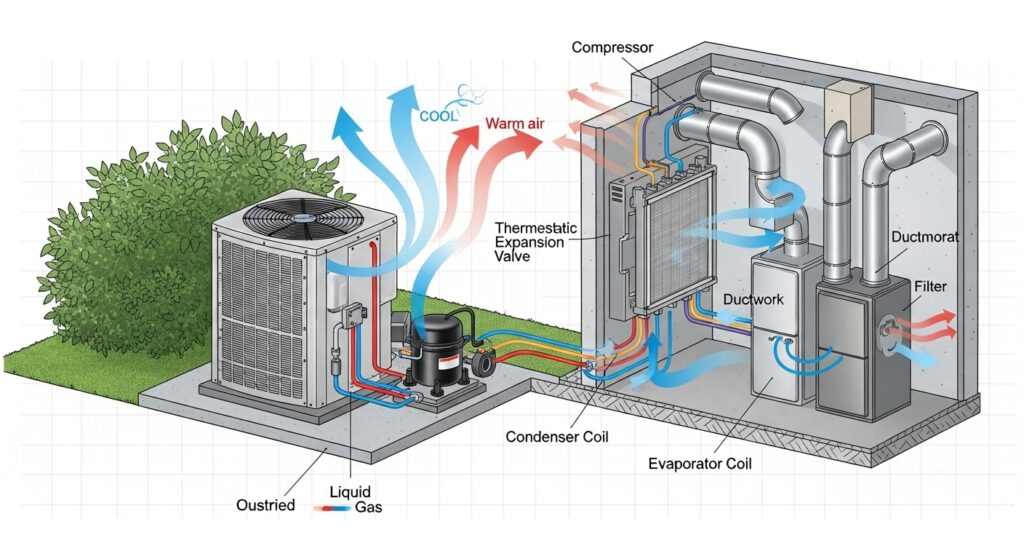
Your air conditioning system is one of the most important components of home comfort, especially during the warmer months. When it’s working properly, you barely notice it—it quietly keeps your home cool, reduces humidity, and maintains steady airflow. But when something goes wrong, the discomfort can be immediate and severe.
Luckily, most AC systems show warning signs long before they stop working completely. Recognizing these early symptoms can help you avoid major breakdowns, costly repairs, and inconvenient interruptions during the hottest days of the year. This comprehensive guide covers the most common signs your air conditioning unit needs repair—before it fails—so you can take action early and keep your home comfortable.
1. Weak or Reduced Airflow
One of the earliest and most noticeable signs of AC trouble is weak airflow coming from your vents. Instead of a strong, steady stream of cool air, you may feel a gentle breeze or significantly reduced air pressure.
What Causes Weak Airflow?
- Clogged or dirty air filters
- Blocked or leaking ductwork
- Failing blower motor
- Obstructed evaporator coil
- Issues with the air handler
Why You Shouldn’t Ignore It
Weak airflow forces your system to run longer, raising energy use and increasing wear on components. Ignoring this problem can eventually lead to overheating or compressor strain.
2. Warm Air Coming From the Vents
If your AC is blowing warm or room-temperature air instead of cold air, something is clearly wrong.
Possible Causes
- Incorrect thermostat settings
- Restricted airflow
- Low refrigerant levels
- Dirty coils
- Compressor problems
Why This Matters
Warm air can be a sign of a serious issue, especially if it’s related to low refrigerant or a failing compressor. Acting early can prevent expensive damage and extended downtime.
3. Strange or Unusual Noises
Air conditioners are designed to run smoothly and quietly. Loud, sudden, or strange sounds almost always indicate a mechanical problem.
Common Problematic Sounds
- Grinding – Often linked to motor problems or worn bearings
- Buzzing – Possible electrical issue or loose components
- Banging or clanking – Loose or broken internal parts
- Screeching – Belt or motor issues
- Clicking – Electrical issues or failing relays
Why It’s Important
Unusual noises rarely go away on their own. Continuing to use the AC while it’s making strange sounds can cause small issues to grow into major repairs.
4. Frequent Cycling On and Off (Short Cycling)
Your AC should run in regular, consistent cooling cycles. But if you notice it constantly turning on and off, this is known as short cycling.
Causes of Short Cycling
- Dirty filters
- Oversized system
- Low refrigerant
- Frozen coils
- Electrical issues
How It Damages Your AC
Short cycling creates excessive wear on the compressor—the most important and expensive part of your system. Early detection helps prevent major failures.
5. Unusual or Musty Odors
Your AC should never produce strange or unpleasant smells. Odors coming from vents indicate a hygiene, electrical, or moisture issue.
Types of Concerning Odors
- Musty smell – Indicates moisture buildup, mold, or a clogged drain line
- Burning smell – Possible electrical problem or overheating component
- Chemical smell – Could indicate refrigerant issues
Why Odors Shouldn’t Be Ignored
Moisture or mold inside the system can affect indoor air quality, while burning smells can indicate dangerous electrical issues.
6. Excessive Humidity Indoors
One important function of your air conditioner is controlling humidity. If your home feels sticky or humid even while the AC is running, something is wrong.
Common Causes
- Dirty evaporator coils
- Low refrigerant
- Oversized AC system
- Clogged condensate drain
- Poor airflow
Why It Matters
High humidity makes your home feel warmer, forcing your AC to work harder—leading to higher energy use and discomfort.
7. Water Leaking or Pooling Around the AC
Your AC naturally produces condensation, but that water should drain through a proper line or pan. If you notice water around your indoor unit or water dripping where it shouldn’t be, it’s a warning sign.
Possible Causes
- Clogged condensate drain
- Damaged drain pan
- Frozen evaporator coil
- Excessive humidity
Potential Risks
Water leaks can lead to mold, wall damage, flooring damage, and system corrosion. Addressing leaks early helps prevent costly repairs both inside and outside the unit.
8. Ice Forming on the AC Unit
Ice on the evaporator coil or refrigerant lines means your system is not functioning properly.
Common Reasons for Ice Buildup
- Low refrigerant levels
- Restricted airflow
- Dirty filters
- Blocked vents
- Faulty blower motor
Why Ice Is a Serious Warning Sign
Frozen coils prevent your AC from cooling effectively and may cause damage to the compressor. Allowing the system to thaw and addressing the root cause early can prevent system-wide failure.
9. Higher Energy Bills Without Explanation
If your energy bill suddenly increases but your cooling habits haven’t changed, this can be a sign that your air conditioner is losing efficiency.
What Causes Higher Energy Usage
- Dirty components
- Failing parts
- Low refrigerant
- Extended cooling cycles
- Poor thermostat performance
Why It’s Important
A sudden jump in cooling costs is often one of the earliest signs of hidden AC problems. Addressing inefficiency early prevents more severe breakdowns.
10. Inconsistent or Hot/Cold Spots Around the Home
If some rooms are too warm while others stay cool, your AC may not be distributing air correctly.
Possible Causes
- Ductwork leaks
- Blocked vents
- Weak blower motor
- Dirty filters
- Thermostat problems
Why Uneven Cooling Matters
Uneven cooling signals that your system is working harder than necessary, leading to increased energy consumption and wear on internal components.
11. Thermostat Issues or Inaccurate Readings
Sometimes the AC isn’t the problem—the thermostat is. If your thermostat doesn’t reflect the actual temperature in your home or doesn’t respond properly, cooling cycles may be incorrect.
Signs of Thermostat Problems
- AC won’t turn on
- AC won’t shut off
- Display is inaccurate or blank
- Temperature changes don’t affect cooling
Why This Needs Attention
Thermostat issues can cause your AC to run unnecessarily long or fail to run when needed, affecting comfort and system longevity.
12. A Sudden Change in Air Quality
If your home feels dusty, stuffy, or you notice more allergens in the air, your AC may not be filtering or circulating air properly.
Causes of Declining Air Quality
- Dirty air filters
- Blocked ducts
- Mold in the system
- Weak airflow
- Dirty coils
Why It’s a Concern
Poor air quality can affect your health and signals that the AC system is struggling to circulate and clean air effectively.
13. The System Takes Longer to Cool Your Home
If your AC used to cool your home quickly but now struggles to reach the desired temperature, that’s a sign of reduced performance.
Common Causes
- Dirty coils
- Failing compressor
- Low refrigerant
- Blocked airflow
- Thermostat problems
Why It Matters
Longer cooling cycles increase energy use and strain on your system, leading to more frequent repairs and reduced lifespan.
14. Your AC Unit Runs Constantly
While it’s normal for an AC to run longer on extremely hot days, it should not run nonstop.
Reasons for Constant Operation
- Low refrigerant
- Dirty coils or filters
- Duct leaks
- Thermostat miscalibration
- Undersized system
Why Continuous Running Is a Problem
Constant operation indicates a major efficiency issue and can lead to quick wear and tear on crucial components.
15. Your AC System Is Older and Shows Multiple Minor Issues
Even if you don’t have one major problem, a combination of small issues—noise, weak airflow, slight humidity changes—can indicate your system needs repairs.
Why Age Matters
As AC units get older, parts wear out and efficiency decreases. Addressing issues early prevents complete failure.
Why You Should Never Ignore Early Signs of AC Trouble
Catching problems early prevents:
- Sudden system breakdowns
- Higher energy bills
- Major part failures
- Damage to ducts and electrical components
- Reduced comfort during hot weather
- Shortened AC lifespan
Listening to your system and acting early saves you money and keeps your home comfortable year-round.
Conclusion
Your air conditioning system often provides warning signs before it stops working completely. By paying attention to symptoms like weak airflow, unusual noises, warm air, humidity problems, and higher energy bills, you can recognize early repair needs and address issues before they escalate.
Staying aware of your AC’s performance and acting quickly not only protects your system but also ensures a comfortable home throughout the entire cooling season.