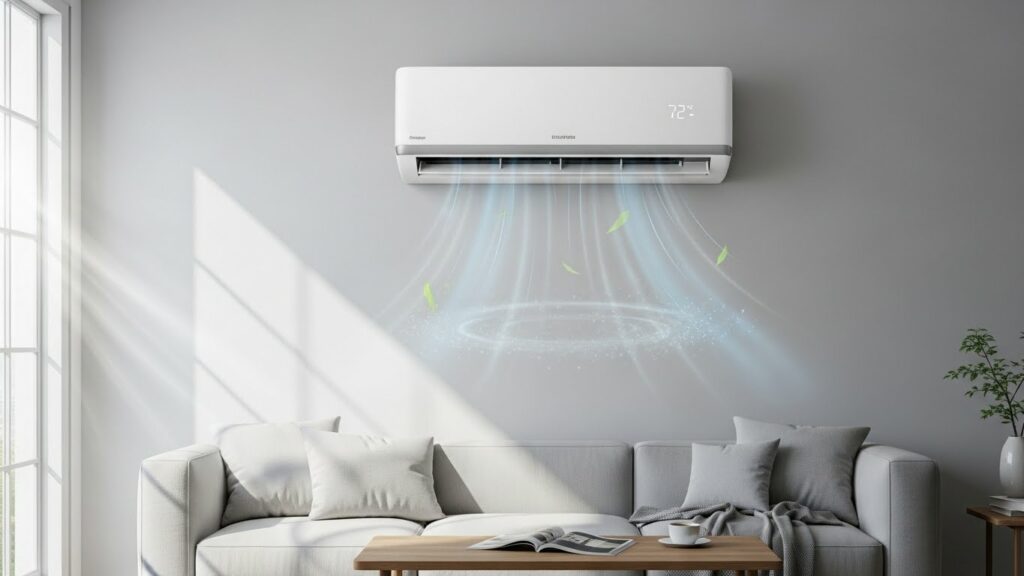
Skokie’s summers bring warmth, humidity, and sudden storms that challenge cooling systems. Seasonal maintenance keeps your equipment efficient, quiet, and dependable, while helping you avoid surprise breakdowns during the hottest afternoons. This guide lays out practical steps you can take throughout the year, what to expect from professional tune-ups, and how to adapt care routines to older homes, multi-level floor plans, and busy family schedules. By investing a little attention in your system at the right times, you can extend equipment life and keep your home consistently comfortable with dependable air conditioning.
Spring: Prepare for the First Heat Wave
As trees bud and temperatures rise, it is time to wake your cooling system from its winter slumber. Spring is the ideal moment to address airflow, drainage, and control settings before demand surges. Start with a fresh filter matched to your home’s needs—higher MERV ratings trap more particles but require good duct design to avoid airflow restrictions. If you have pets, allergies, or ongoing renovation dust, consider more frequent changes.
- Outdoor unit inspection: Clear leaves, seed pods, and debris. Maintain at least two feet of open space on all sides for proper airflow.
- Coil cleanliness: Check for dirt or cottonwood on the condenser fins. Straighten bent fins carefully and schedule a professional cleaning if buildup is significant.
- Condensate drain: Inspect the drain line and trap. A small amount of algae treatment, used according to guidelines, helps prevent clogs.
- Thermostat setup: Revisit schedules and temperature setbacks to match your routine. Confirm that Wi‑Fi or app connections are stable if you use a smart control.
- Test run: On a mild day, run a cooling cycle to verify the outdoor fan and compressor start smoothly and the indoor coil dehumidifies effectively.
Spring tune-ups from a professional include deeper checks: refrigerant measurements, electrical testing, motor amperage, and verification of safety devices. A technician can also measure temperature drop across the coil and static pressure to validate duct performance.
Summer: Maintain Airflow and Drainage
During peak cooling months, small habits keep performance steady. Replace or clean filters on schedule, especially after thunderstorms that kick up pollen and dust. Keep grass clippings away from the outdoor unit and avoid stacking objects against the cabinet. Inside, ensure supply registers are open and unobstructed by rugs or furniture. Blocking registers can drive up static pressure and disturb balance across rooms.
Humidity management matters in Skokie. Long, steady cooling cycles generally remove moisture more effectively than frequent short bursts. If your home feels clammy, ask about adjusting fan settings, adding returns in closed-off rooms, or optimizing thermostat staging if your equipment supports it.
Fall: Transition and Review
As the cooling season winds down, take stock of performance. Note any rooms that felt warmer, areas where you noticed condensation, or odd noises that appeared under heavy load. This information helps your technician prioritize checks during the next visit. It is also a good time to clean or replace filters after a summer’s worth of airborne debris.
- Drain inspection: Verify the condensate line is clear before winter. A little attention now prevents musty odors and surprises next spring.
- Outdoor unit care: Gently rinse off the condenser coil and remove debris. Avoid wrapping the unit in a watertight cover, which can trap moisture.
- Thermostat review: Update schedules for shorter days and cooler nights. If your thermostat supports firmware updates, apply them for reliability.
In multi-level homes, temperature stratification can be more noticeable in spring and fall. Balance registers on each floor to even out temperatures and consider fan circulation settings that keep air moving gently without driving up humidity.
Winter: Off-Season Protection
Even when the AC is idle, a few practices will protect it through winter. Keep the outdoor unit free of heavy snow buildup and ice dams. Maintain clearance around the cabinet to prevent snow drift from restricting airflow during mild-day test runs. If you use the air handler for heating as part of a heat pump system or with a furnace, continue filter changes on the normal interval.
Winter is also a great time to plan improvements, because contractors have more availability for duct sealing, return additions, or equipment upgrades. By completing projects in the off-season, you reduce the risk of delays when hot weather returns.
Professional Maintenance Checklist
A comprehensive maintenance visit digs deeper than DIY tasks. While each company’s process varies, a robust checklist typically includes the following:
- Verify thermostat operation, settings, and sensor placement.
- Inspect and tighten electrical connections; test capacitors and contactors.
- Measure motor amperage and compare to nameplate ratings.
- Check refrigerant temperatures and pressures to confirm proper charge.
- Inspect evaporator and condenser coils; clean as needed.
- Confirm condensate drainage and test float or overflow switches.
- Measure temperature split and static pressure; note airflow concerns.
- Lubricate applicable motors and verify blower wheel cleanliness.
- Assess duct leakage and return sizing; recommend corrections if needed.
Ask your technician for a written report. This documentation provides a baseline for future comparisons and helps catch trends, such as a motor drawing more current over time or a drain that clogs repeatedly.
Indoor Air Quality and Comfort
Good maintenance enhances more than temperature. Filters, duct sealing, and coil cleanliness influence dust levels, odors, and humidity. If household members have allergies or asthma, consider upgrades to filtration or dedicated dehumidification. Simple actions like keeping kitchen and bath exhaust fans in good working order also support comfort by removing heat and moisture at the source.
Maintenance for Older and Renovated Homes
Many Skokie homes were built before central cooling was common. Retrofits sometimes leave systems with limited return air or long duct runs that challenge airflow. If you notice whistling vents, temperature swings between rooms, or excessive noise, ask for a static pressure test and a duct evaluation. Maintenance may include sealing leaks, adding returns, or adjusting fan speeds to better match your ductwork.
Common Mistakes to Avoid
- Neglecting filters: A clogged filter stresses the blower, reduces comfort, and increases wear on motors and compressors.
- Blocking returns: Furniture or curtains over return grilles reduce airflow and can cause icing on the indoor coil.
- Skipping drain checks: A small clog can lead to water damage and system shutdowns during the hottest days.
- Overlooking outdoor clearance: Landscaping crowding the condenser restricts airflow and reduces efficiency.
- Ignoring noise or odors: New sounds or smells often signal issues worth addressing before they escalate.
Mid-Season Check-In
In the middle of summer, take ten minutes to listen for unusual cycling patterns, inspect the outdoor unit for debris, and verify that air is blowing evenly from supplies. This quick check can reveal small issues before they become big ones. If you are unsure about what you observe, ask a professional to walk you through best practices for air conditioning care tailored to your home.
Frequently Asked Questions
How often should I replace my filter? Follow manufacturer guidance and adjust for your home’s conditions. Many households change filters every one to three months, more often with pets or high dust.
Is coil cleaning a DIY task? Light rinsing on the outdoor coil is manageable, but indoor coil cleaning usually requires a professional due to access and condensate management.
Why does my home feel humid even when it is cool? Oversizing, low airflow, or short cycles can reduce moisture removal. A technician can evaluate settings, blower speeds, and duct balance.
Do smart thermostats always save energy? They can, but only when settings match your routine and equipment. Proper configuration is key.
What is the ideal temperature split across the coil? It varies by system and conditions. Your technician will measure and interpret the result during maintenance.
Should I cover the outdoor unit in winter? Avoid airtight covers. A breathable top cover that keeps leaves out without trapping moisture is often preferred—ask your technician for guidance.
How can I tell if my ducts are leaking? Signs include dust in unexpected places, uneven temperatures, or whistling sounds. A pressure test provides confirmation and helps target repairs.
Keep Your Skokie Home Comfortable
Seasonal attention pays off in quieter operation, steadier temperatures, and fewer surprises. If your system is due for a tune-up or you want a home-specific maintenance plan, connect with a trusted local professional. With thoughtful scheduling and a focus on reliability, your home will enjoy consistent comfort from spring through the first frost—and beyond—with dependable air conditioning.