An air conditioning system is one of the most important parts of a comfortable home—especially during warm seasons when temperatures rise and indoor air can quickly become uncomfortable. While most homeowners know the importance of having a reliable AC system, many overlook one crucial factor that impacts performance, efficiency, and long-term costs: regular air conditioning maintenance.
Routine maintenance not only keeps your system running smoothly, but it also helps prevent expensive breakdowns, improves energy efficiency, and extends the lifespan of your unit. In other words, maintaining your AC system is one of the easiest and smartest ways to save money over time. This article breaks down exactly how regular maintenance benefits your wallet—both immediately and in the long run.
1. Improved Energy Efficiency
One of the biggest advantages of regular air conditioning maintenance is improved energy efficiency. When your system is in good condition, it doesn’t have to work as hard to cool your home.
Why Efficiency Matters
When an AC system becomes dirty or worn down, it loses efficiency. Components like air filters, evaporator coils, and condenser coils accumulate dust and debris, forcing the system to use more energy to produce the same cooling effect.
Over time, this wasted energy adds up, making your cooling costs significantly higher than they should be.
How Maintenance Helps
Regular maintenance ensures:
- Clean air filters
- Clear airflow
- Clean coils
- Proper refrigerant levels
- Smooth-running motors and fans
All of these steps help the system operate efficiently and reduce the strain on components. An AC that runs efficiently costs less to operate and cools your home faster—saving you money every time it’s turned on.
2. Preventing Costly Breakdowns
Unexpected AC failures are inconvenient, stressful, and often expensive. However, routine maintenance dramatically reduces the chances of these breakdowns occurring.
Why AC Systems Break Down
Most breakdowns happen because of:
- Dirty components
- Clogged drain lines
- Loose electrical connections
- Worn-out parts
- Low refrigerant levels
- Overheating due to poor airflow
Many of these issues start small but grow worse over time.
How Maintenance Saves You Money
During a maintenance visit (or DIY tune-up), small problems are identified early. A loose belt, clogged drain line, or dirty coil is easy to fix when caught early. But if ignored, these seemingly minor issues can cause major part failures.
Fixing small issues before they escalate helps prevent:
- Compressor failures
- Motor burnout
- Refrigerant leaks
- Overheating issues
- Electrical shorts
Avoiding major repairs is one of the biggest financial benefits of regular maintenance.
3. Extending the Lifespan of Your Air Conditioner
Air conditioning systems are built to last, but only if they are properly cared for. Without maintenance, even the best systems wear out faster due to unnecessary strain.
How Lack of Maintenance Shortens Lifespan
Neglected issues like dirty filters, clogged coils, and weak airflow cause the AC to:
- Run longer
- Work harder
- Overheat more easily
- Experience more wear and tear
Over time, this can shorten the life of components like the compressor, the most important part of the AC system.
How Maintenance Extends Lifespan
Routine maintenance:
- Reduces stress on vital components
- Ensures smooth operation
- Keeps the system clean
- Prevents overheating
- Reduces cycle times
This leads to a longer-lasting, more reliable air conditioner—and fewer expensive replacements over the years.
4. Better Airflow and Less Wear on the System
Good airflow is essential to AC performance. When airflow is restricted, your system cannot operate as designed, forcing it to work harder to cool your home.
Common Causes of Restricted Airflow
- Dirty or clogged air filters
- Closed or blocked vents
- Dust buildup in ducts
- Debris around the outdoor unit
- Dirty coils
Each of these issues reduces the amount of air moving through the system.
How Poor Airflow Increases Costs
Restricted airflow:
- Lengthens cooling cycles
- Causes the system to run continuously
- Increases wear on parts like the blower motor
- Reduces cooling efficiency
This leads to higher energy usage and increased risk of breakdowns.
How Maintenance Improves Airflow
Regular maintenance includes checking:
- Filters
- Vents
- Coils
- Blower motor function
- Outdoor unit cleanliness
With proper airflow restored, your system runs more efficiently and uses less energy—saving money daily.
5. Ensuring Proper Refrigerant Levels
Refrigerant plays a crucial role in cooling your home. If levels drop, your AC cannot perform properly and may overheat or freeze.
Signs of Low Refrigerant
- AC blows warm or weak air
- Ice forms on the coil
- Indoor humidity is too high
- System runs longer than normal
Low refrigerant typically indicates a leak, which can damage the system if not addressed.
Why Proper Levels Matter
Too little refrigerant causes:
- Higher energy consumption
- Excessive strain on the compressor
- Risk of severe system damage
Routine maintenance includes inspecting refrigerant levels. Correcting them early prevents unnecessary costs and ensures stable performance.
6. Cleaner Indoor Air and Reduced Strain on the System
Indoor air quality affects not only your comfort, but also your air conditioner’s performance. Dust, pollen, and contaminants accumulate in filters, ducts, and coils.
How Dirty Air Affects Your Wallet
Poor indoor air quality leads to:
- Blocked filters
- Dust-covered coils
- Increased energy use
- Overworked motors
- More frequent repairs
Simply replacing or cleaning filters helps the system operate more efficiently while improving the air you breathe.
Maintenance Improves Air Quality
Routine maintenance includes:
- Cleaning coils
- Replacing filters
- Checking ducts
- Clearing drain lines
Cleaner air means a healthier home and a longer-lasting AC.
7. Reducing Humidity for Lower Energy Use
Air conditioning systems help remove humidity from the air. When humidity is too high, the system must work harder to cool your home.
How Humidity Affects Costs
High indoor humidity leads to:
- Higher indoor temperatures
- Longer cooling cycles
- More strain on the evaporator coil
- Increased wear on the system
How Maintenance Helps
With clean coils and proper refrigerant levels, the system removes moisture more effectively. Lower humidity makes your home feel cooler, so the AC doesn’t need to run as long—leading to lower energy consumption.
8. Improving Overall Performance and Comfort
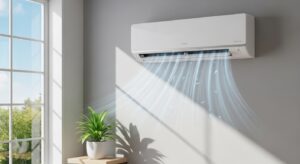
An AC system that receives regular maintenance performs at a higher level. It keeps temperatures consistent and cools your home faster.
Why This Saves Money
Better performance means:
- Shorter cooling cycles
- Less energy used
- Fewer on/off cycles that wear out parts
- Steadier indoor comfort
Systems that struggle to cool your home often consume more energy and break down more frequently.
9. Avoiding Emergency Repair Visits
When systems break down unexpectedly, it often happens during the hottest days of the year—when the AC is under the most stress. Emergency repairs can be costly, time-consuming, and inconvenient.
How Maintenance Prevents Emergencies
Routine inspections catch issues early, so your system is far less likely to fail when you need it most.
10. Peace of Mind—and Predictable Home Cooling Costs
Perhaps one of the biggest advantages of regular AC maintenance is peace of mind. Knowing your system is running properly helps eliminate unexpected bills and sudden breakdowns.
Long-Term Benefits Include:
- More predictable cooling costs
- Fewer emergency repairs
- Longer equipment lifespan
- More consistent comfort
When your AC is cared for, you save money in almost every area related to home cooling.
What Should Be Included in Regular AC Maintenance?
To get the most financial benefit, maintenance should include:
- Cleaning or replacing air filters
- Inspecting coils
- Checking refrigerant levels
- Inspecting ductwork
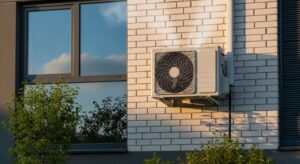
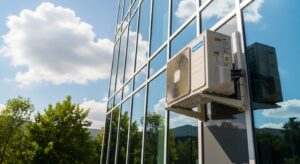
- Cleaning the outdoor condenser
- Clearing debris around the unit
- Testing thermostat function
- Inspecting electrical components
- Lubricating moving parts
- Checking airflow and temperature output
Even basic maintenance tasks can significantly improve performance and efficiency.
DIY Maintenance You Can Do Yourself
While some tasks require a professional, many simple steps can be done at home:
- Change air filters regularly
- Clean vents and registers
- Keep the outdoor unit clear
- Remove leaves and debris
- Wipe down visible dust
- Ensure airflow isn’t blocked
These small actions keep your system in good working order all year long.
Conclusion
Regular air conditioning maintenance is one of the smartest investments you can make for your home. Not only does it improve system efficiency and comfort, but it dramatically reduces the likelihood of expensive repairs, prolongs the lifespan of your AC, and helps lower your monthly energy use.
By keeping your system clean, well-inspected, and properly maintained, you save money in both the short and long term—while ensuring your home remains cool and comfortable all year long.