Air conditioning is essential for comfort in many homes, especially during the warmest months of the year. But as temperatures rise, so do cooling costs—and if your system isn’t running efficiently, you may be spending far more on energy than necessary. The good news is that improving your AC efficiency doesn’t require replacing your whole system. With the right habits, maintenance, and upgrades, you can dramatically reduce your cooling bills while keeping your home comfortable.
This comprehensive guide breaks down proven strategies to help you optimize your air conditioning system, lower energy consumption, and maintain a comfortable indoor environment throughout the season.
1. Keep Your Air Filters Clean
One of the simplest yet most effective ways to reduce cooling costs is to maintain clean air filters. When filters become clogged with dust, dirt, and pet hair, your air conditioner must work much harder to push air through the system.
Why Dirty Filters Increase Energy Use
- Restricted airflow
- Longer cooling cycles
- Strain on the blower motor
- Reduced overall efficiency
How Cleaning Filters Saves Money
Replacing or cleaning filters regularly ensures smooth airflow, which allows the system to cool your home faster and use less energy.
2. Use a Programmable or Smart Thermostat
The thermostat controls how often and how long your air conditioner operates. A programmable or smart thermostat allows you to adjust temperatures automatically based on your schedule.
Benefits of Using a Smart Thermostat
- Prevents unnecessary cooling when no one is home
- Allows temperature adjustments from anywhere
- Supports efficient cooling programs
- Reduces excessive cycling
Energy-Saving Thermostat Tips
- Increase the temperature when leaving home
- Program consistent set temperatures
- Avoid frequent manual adjustments
- Use night modes to reduce cooling while sleeping
Small adjustments to your thermostat settings can significantly lower your energy usage.
3. Seal and Insulate Your Home Properly
Even the most energy-efficient AC system can struggle if your home isn’t well insulated. Air leaks allow cool air to escape and warm outdoor air to sneak in, forcing your AC to run longer and work harder.
Common Sources of Air Leaks
- Windows
- Doors
- Attic hatches
- Electrical outlets
- Crawlspaces
- Basement joints
How Insulation Helps Reduce Cooling Costs
Proper insulation prevents heat transfer, meaning your home stays cooler longer. This reduces the workload on your AC and helps maintain consistency in indoor temperature.
4. Keep Your Outdoor Unit Clear and Clean
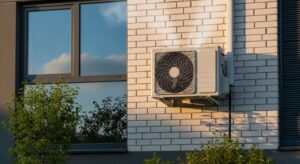
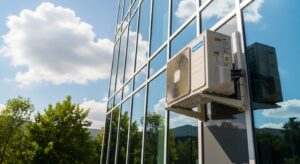
Your outdoor condenser unit plays a major role in how efficiently your AC runs. If it’s clogged with debris or surrounded by vegetation, it cannot release heat effectively.
Why Outdoor Unit Maintenance Matters
- Obstructed airflow reduces cooling ability
- Dirt buildup increases strain on the system
- Overheating becomes more likely
- The system must run longer to cool your home
Tips for Outdoor Unit Efficiency
- Remove leaves, grass, and dirt from around the unit
- Trim plants at least two feet away
- Clean the fins gently with a soft brush
- Ensure proper clearance for airflow
A clean, unobstructed outdoor unit allows your system to operate at peak efficiency.
5. Maintain Good Airflow Indoors
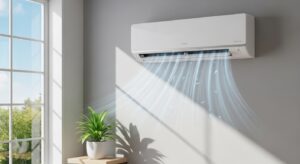
Airflow is essential for efficient cooling. Anything that blocks or disrupts airflow forces your AC to run harder and longer.
Factors That Reduce Indoor Airflow
- Blocked vents
- Closed interior doors
- Clogged ducts
- Dirty filters
- Furniture placed in front of vents
How to Improve Airflow
- Keep vents fully open
- Move furniture away from supply and return vents
- Clean vent covers regularly
- Ensure fans and ducts are functioning properly
Improved airflow equals improved cooling performance and lower energy consumption.
6. Use Ceiling Fans to Assist with Cooling
Ceiling fans don’t actually reduce temperature, but they make rooms feel cooler through air movement. This allows you to raise your thermostat temperature without sacrificing comfort.
Fan Efficiency Tips
- Set fans to rotate counterclockwise in summer
- Turn off fans when leaving the room
- Use fans in combination with your AC to reduce strain on the system
A ceiling fan can make a room feel several degrees cooler, reducing the need for heavy AC usage.
7. Keep Heat-Producing Appliances Away From the Thermostat
Your thermostat senses the temperature of the area around it. If heat-producing devices are nearby, the thermostat may think your home is warmer than it actually is.
Things That Can Affect Thermostat Readings
- Lamps
- TVs
- Ovens
- Computers
- Direct sunlight
Why Placement Matters
A thermostat reading artificial warmth will keep your AC running longer, increasing energy use. Keeping heat sources away ensures accurate temperature control.
8. Close Curtains and Blinds During Peak Sun Hours
Sunlight entering your home can dramatically increase indoor temperatures. Heat gain through windows forces your AC to work extra hard.
Simple Ways to Reduce Heat Gain
- Use blackout curtains
- Close blinds on sun-facing windows
- Install reflective window film
- Add insulated curtains in bedrooms
Reducing direct sunlight helps maintain a cooler indoor environment naturally.
9. Improve Attic Ventilation
Hot air rises, and your attic is the hottest part of your home. If the heat is trapped, it can radiate down into your living spaces, causing temperatures to climb.
How Attic Ventilation Helps
- Reduces heat buildup
- Prevents indoor temperature spikes
- Reduces AC workload
- Improves overall home performance
Proper attic ventilation, combined with insulation, can significantly improve cooling efficiency.
10. Schedule Regular AC Maintenance
Routine maintenance keeps your system functioning efficiently and can prevent many problems that lead to high energy bills.
Maintenance Benefits
- Clean coils improve heat exchange
- Proper refrigerant levels increase cooling performance
- Lubricated parts reduce friction
- Early detection prevents major issues
- Efficient systems consume less energy
An air conditioner that’s well-maintained cools faster and runs less frequently, saving energy every day.
11. Keep Doors and Windows Closed While the AC Is Running
Even minor openings can let warm air inside and allow cool air to escape. This makes the system run longer than needed.
Tips for Reducing Air Loss
- Check door seals
- Make sure windows close tightly
- Avoid opening windows on hot days
- Use weatherstripping where needed
Small gaps can lead to major energy loss without you realizing it.
12. Consider Zoning Your Home
Zoning allows different areas of your home to be cooled separately. This is especially beneficial in multi-story homes or houses with rooms that heat unevenly.
Benefits of Zoning
- Cool only the areas you use
- Reduce energy use in unused spaces
- Improved comfort in specific rooms
- Customized temperature control
Zoning helps reduce wasted cooling and ensures better overall efficiency.
13. Use Appliances Wisely
Many household appliances generate heat, increasing your home’s temperature and forcing your AC to work harder.
Appliances That Produce Heat
- Ovens
- Stovetops
- Dryers
- Dishwashers
Tips for Reducing Heat Load
- Cook during cooler parts of the day
- Use outdoor grills when possible
- Run dishwashers and dryers at night
- Avoid using heat-generating appliances during peak temperatures
Managing appliance use helps maintain a cooler indoor environment.
14. Keep Your Thermostat at a Consistent Setting
Constantly adjusting your thermostat causes the AC to cycle more often, using extra energy.
Why Consistency Matters
- Fewer on/off cycles
- Improved performance
- Stabilized indoor temperatures
- Reduced strain on components
A stable setting is more efficient and cost-effective.
15. Upgrade to an Energy-Efficient System When Needed
While maintenance and habits can dramatically improve efficiency, older systems eventually lose their ability to cool effectively. Upgrading to a newer, energy-efficient model may be necessary when:
- Your system struggles despite maintenance
- Cooling costs continue to climb
- Your AC runs constantly
- Indoor comfort is inconsistent
Modern AC systems are designed to use less energy while delivering more consistent cooling.
Conclusion
Energy-efficient air conditioning isn’t just about having a good system—it’s about using it wisely. By adopting the habits and strategies outlined in this guide, you can drastically reduce cooling costs, improve indoor comfort, and extend the lifespan of your AC system. Whether it’s maintaining clean filters, using smart thermostat settings, improving airflow, or optimizing your home’s insulation, every small step contributes to better efficiency and long-term savings.