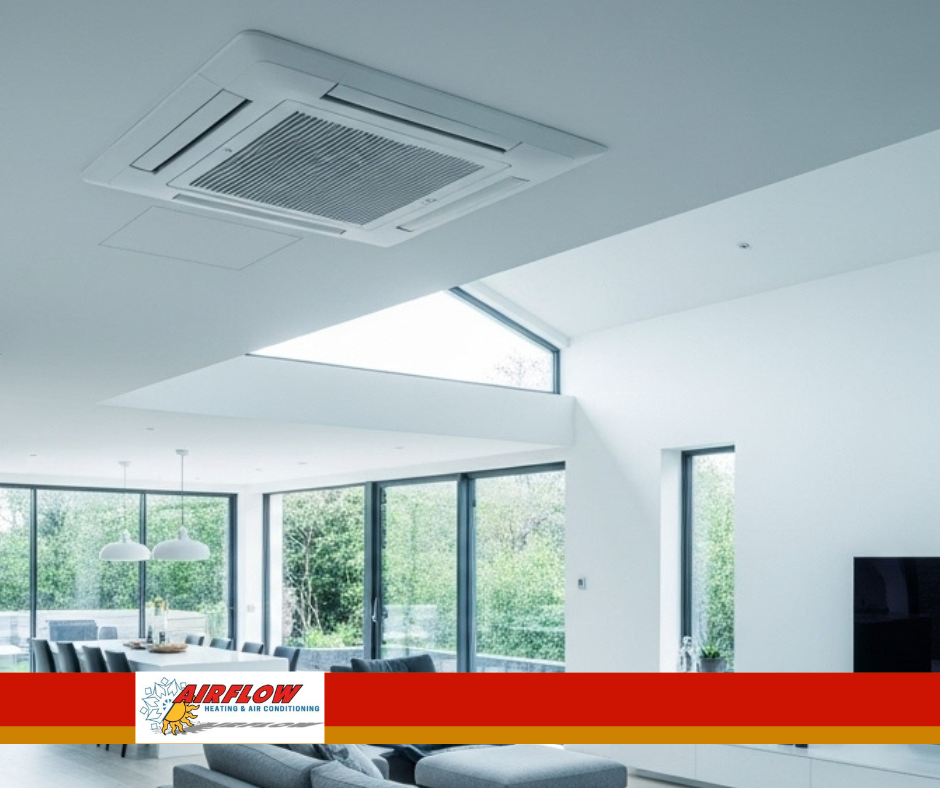
In today’s world of rising energy costs and environmental awareness, homeowners are increasingly seeking Air Conditioning systems that are both effective and efficient. Finding a balance between comfort and sustainability doesn’t have to be difficult. With the right technology and strategies, you can cool your home while saving on energy consumption and reducing your carbon footprint.
Why Energy Efficiency Matters
Efficient Air Conditioning isn’t just about lowering your utility bills. It’s also about reducing strain on the power grid, minimizing greenhouse gas emissions, and improving overall home comfort. Systems that operate efficiently offer more consistent cooling, quieter performance, and longer system lifespan. Whether you’re installing a new unit or upgrading an existing one, energy efficiency should always be top of mind.
Types of Energy-Efficient Air Conditioning Systems
There are several types of systems available that focus on energy savings while delivering reliable cooling. Some of the most common include:
- Central Air Conditioning: Modern central AC systems now feature higher SEER (Seasonal Energy Efficiency Ratio) ratings, variable-speed compressors, and smart thermostats.
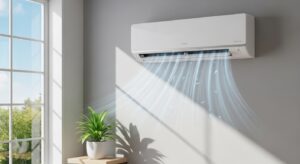
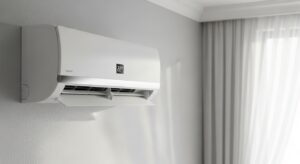
- Ductless Mini-Split Systems: Ideal for targeted cooling, mini-splits allow zoning control without the energy loss associated with ductwork.
- Heat Pumps: Though often associated with heating, heat pumps offer efficient cooling in summer months, making them a dual-purpose option.
- Smart AC Units: Integrated with Wi-Fi and intelligent scheduling, smart ACs help homeowners optimize usage for energy savings.
Key Features to Look For
When shopping for an energy-efficient cooling solution, consider the following features:
- High SEER Ratings: The higher the SEER, the more energy-efficient the unit. Look for a rating of 16 or above for better performance.
- Inverter Technology: These systems adjust speed dynamically rather than turning off and on, consuming less power and maintaining a consistent temperature.
- Programmable Thermostats: Smart thermostats learn your habits and adjust cooling schedules to reduce energy usage when you’re not home.
- Energy Star Certification: Certified systems meet strict energy-efficiency guidelines set by the EPA.
Maintenance Makes a Difference
Even the most efficient Air Conditioning system can underperform if it’s not maintained properly. Regular maintenance ensures your system runs at peak performance. This includes:
- Changing or cleaning air filters monthly
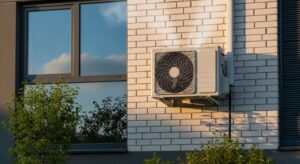
- Clearing debris from the outdoor condenser unit
- Checking refrigerant levels
- Scheduling annual professional tune-ups
These simple steps can extend the lifespan of your system, improve air quality, and boost efficiency.
Insulation and Home Efficiency
A well-insulated home reduces the workload on your air conditioner. Make sure windows and doors are sealed properly, attics are insulated, and sun-exposed windows are shaded. Pairing energy-efficient Air Conditioning systems with proper insulation multiplies the benefits, giving you even greater comfort and savings.
Additional Tips to Maximize Cooling Efficiency
- Use ceiling fans to circulate cool air and reduce AC load
- Close blinds or curtains during peak sunlight hours
- Set thermostat temperatures a few degrees higher when you’re not home
- Install zoned systems for customized cooling in different areas
Conclusion
Choosing the right Air Conditioning solution is an investment in comfort, efficiency, and sustainability. From high-SEER central systems to smart, ductless options, there are plenty of ways to stay cool without overusing energy. By understanding your home’s needs and exploring the latest technologies, you can create a comfortable indoor environment while reducing your environmental impact.
READ MORE: