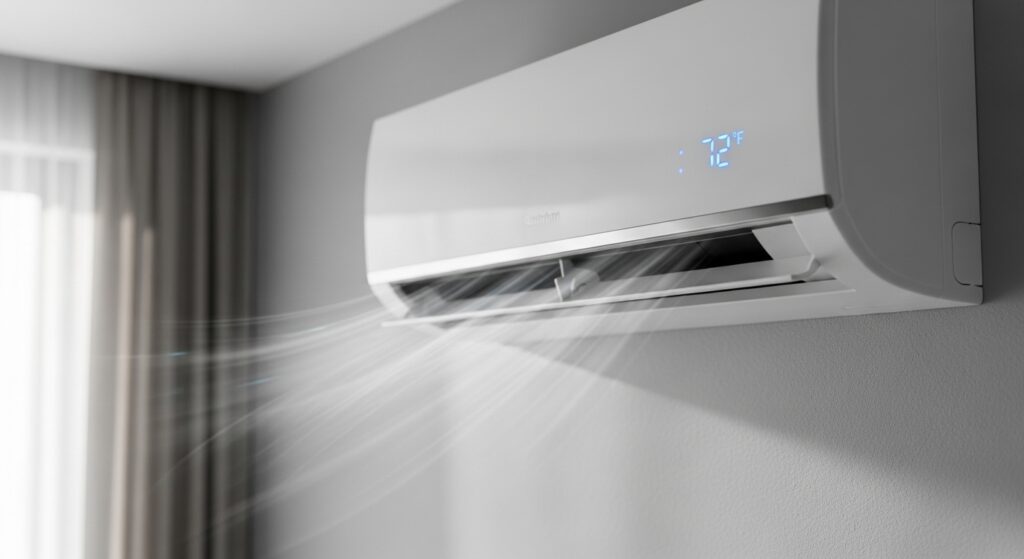
Emergency Air Conditioning Repair in Skokie, Illinois
When summer heat and humidity close in on Skokie, a sudden AC failure can turn a comfortable home into a stressful situation. In an emergency, clear steps, quick thinking, and reliable help make all the difference. This guide explains what qualifies as an AC emergency, what you can safely do right away, how to protect your system and your family, and how to choose the right local expert. If you need fast relief, don’t wait—professional air conditioning support can restore comfort quickly and safely.
What Counts as an AC Emergency?
Not every issue requires immediate service in the middle of the night, but some do. Recognizing the signs of a true emergency helps you act decisively and avoid larger damage.
- No cooling at all during extreme heat, particularly if there are infants, older adults, pets, or anyone with medical considerations at home.
- Electrical burning smells, smoke, or visible sparks from the air handler or outdoor condenser.
- Repeated breaker trips when the system starts or runs.
- Water leaking from the indoor unit fast enough to threaten floors, ceilings, or walls.
- Ice buildup on the indoor coil or outdoor lines accompanied by airflow loss.
- Unusual mechanical noises—screeching, grinding, or loud banging—suggesting imminent component failure.
If any of these occur, turn the system off at the thermostat and, if necessary, at the breaker to protect the equipment and your home.
Immediate Steps to Take Before Help Arrives
In a true emergency, a few safe, simple actions can prevent further damage and make your space more livable while you wait for a technician.
- Shut the system off: This prevents additional strain and reduces risks tied to overheating components or electrical faults.
- Check the filter: A severely clogged filter reduces airflow and can freeze coils. If you have a spare, replace it.
- Open supply and return vents: Make sure no vents are blocked by furniture, rugs, or accidental closures.
- Address water: Place towels or a shallow pan under any active drip at the indoor unit to protect floors and ceilings.
- Improve airflow indoors: Use portable fans to move air and open interior doors to balance temperatures room to room.
- Close curtains and blinds: Keep heat out and reduce indoor solar gain.
- Note the symptoms: Record error codes, breaker trips, odors, and noises. These details speed diagnosis.
Common Emergency Triggers and What They Mean
While only a trained technician can diagnose your system, awareness of likely culprits can ease worry and guide communication.
- Capacitor failure: Often causes humming, hard starting, or the outdoor fan and compressor failing to run.
- Contactor issues: Can cause intermittent starting or a unit that runs constantly and won’t shut off.
- Refrigerant problems: Low refrigerant can freeze coils and reduce cooling; leaks require professional repair.
- Clogged condensate drain: Leads to water leaks around the indoor unit, sometimes triggering a safety switch that shuts the system down.
- Blower motor or fan failure: Results in poor airflow, warmth from vents, or high-pitched squeals.
- Thermostat faults: Miscalibration, dead batteries, or wiring issues can prevent proper operation.
Safety First: Protect People and Property
Heat can be more than uncomfortable—it can be dangerous. If indoor temperatures climb rapidly, relocate vulnerable occupants to a cooler area, hydrate, and use fans for circulation. If you detect an electrical odor, smoke, or sparking, cut power at the breaker and avoid the equipment. Never remove service panels or attempt repairs on energized components.
How to Keep the Home Comfortable While You Wait
Even after you power down the AC, there are plenty of ways to manage indoor heat until a professional arrives.
- Use ceiling and portable fans to promote evaporation and perception of coolness.
- Limit cooking with ovens or stoves; opt for microwave or outdoor grilling to reduce indoor heat.
- Lower humidity by running bathroom exhaust fans during showers and kitchen hoods while cooking.
- Close off rarely used rooms so fans can focus on occupied spaces.
- Stay hydrated and wear breathable fabrics.
When Rapid Response Matters Most
For households with infants, older adults, or individuals with respiratory conditions, prompt repair can be essential. Likewise, if a leak threatens drywall, flooring, or ceilings, or if electrical components show signs of overheating, quick attention may prevent a small problem from becoming a major disruption.
Mid-Crisis Troubleshooting You Can Safely Try
There are a few checks you can perform that don’t require tools or exposure to dangerous components. Confirm the thermostat is in cooling mode with a setpoint lower than room temperature. Replace thermostat batteries if applicable. Verify the furnace or air handler door is firmly closed—the safety switch can stop operation if the panel is open. Ensure the outdoor disconnect hasn’t been pulled and that shrubbery or debris isn’t blocking airflow to the condenser. If these steps don’t restore function, leave further work to a professional. When you’re ready for expert help, professional air conditioning service can handle urgent issues quickly and safely.
Why Local Knowledge in Skokie Matters
Skokie’s climate profile includes hot, humid summers and shoulder seasons with variable temperatures. A local technician understands these conditions, typical home construction in the area, common equipment brands installed nearby, and prevalent issues such as drain clogs during high humidity or contactor wear after long run cycles. That experience shortens diagnostics and improves long-term reliability.
What to Expect From an Emergency Repair Visit
Clear communication is the hallmark of a quality service call. A good technician will review your description of symptoms, perform targeted diagnostics, present recommended repairs, and explain the reasoning behind each step. If multiple actions are possible, you’ll learn the pros and cons, the potential risks of delaying certain repairs, and any maintenance you can perform to prevent recurrence.
Preventing the Next Emergency
Most AC breakdowns are avoidable with steady maintenance and a few simple habits. Keep filters clean and change them according to usage and indoor air quality. Maintain clear space around the outdoor condenser to ensure proper airflow. Schedule routine inspections to catch small problems early, such as weak capacitors, worn contactors, and partially clogged drains. Seal air leaks around doors, windows, and ducts to reduce system strain, and keep vents unblocked to maintain designed airflow.
Understanding Parts That Often Fail
Knowing which components carry the highest risk helps you discuss priorities with your technician. Start components such as capacitors and contactors endure frequent cycles and may wear faster than other parts. Blower motors run for long stretches during heat waves and can fail if bearings wear or debris builds up. Drain systems can clog with algae in high humidity. Addressing these vulnerabilities during routine service can avert surprise breakdowns on the hottest day of the year.
How Humidity Impacts Emergency Symptoms
High humidity intensifies comfort problems when the AC stops working. Without active dehumidification, indoor air can feel significantly warmer than the thermostat reading suggests. Moisture can also condense on cool surfaces, elevating the risk of microbial growth and damage to materials. If you’re waiting on repair in muggy conditions, prioritize airflow and adopt short, cool showers, covered pots during cooking, and frequent use of exhaust fans to manage moisture.
Signs of a System Nearing the End of Its Life
Repeated emergency calls, escalating repairs, and persistent comfort issues can point to an AC nearing retirement. Frequent circuit trips, significant refrigerant leaks, or compressor short-cycling may also be red flags. While the immediate goal in an emergency is to restore function, it’s valuable to ask your technician about the long-term outlook for the system, including whether reliability upgrades or replacement planning should be considered before peak season hits.
Coordination With Indoor Air Quality
During emergency repair, it’s a good time to assess indoor air quality. Clogged filters and restricted ducts not only strain the AC but also degrade air cleanliness. Consider filter upgrades suited to your equipment, duct inspections to locate kinks or disconnections, and moisture control strategies to keep the home healthy and comfortable.
Frequently Asked Questions
Q: Should I turn off my AC if it’s still producing some cool air but making a loud screeching noise? A: Yes. Power the system down to prevent damage. Screeching often indicates belt or bearing trouble and running it further can cause more extensive repairs.
Q: What should I do if my breaker keeps tripping when the AC starts? A: Repeated trips point to an electrical or mechanical issue. Reset once after the system has been off for ten minutes. If it trips again, leave it off and call a professional.
Q: Is ice on the refrigerant lines always a leak? A: Not always. Restricted airflow, very dirty filters, or blower issues can cause freezing. However, low refrigerant is another common cause and requires expert diagnosis.
Q: Can I clear a condensate clog myself? A: You can sometimes clear a shallow clog by gently using a wet/dry vacuum at the drain line’s exterior outlet. If water returns quickly or you see multiple leaks, wait for a technician.
Q: How often should filters be replaced to prevent emergencies? A: Inspect monthly during peak season and replace as needed. Homes with pets, renovations, or high pollen counts may need more frequent changes.
Q: How can I tell if the outdoor unit lost power? A: Check the service disconnect near the condenser and your electrical panel. If you’re uncertain or the disconnect appears damaged, wait for a professional.
Q: What information helps a technician diagnose faster? A: Provide the brand and approximate age of your system, any error codes on the thermostat, recent changes like filter replacements, and a timeline of symptoms.
Q: Is it safe to run the fan only while I wait? A: Fan-only mode can improve comfort but should be avoided if you suspect electrical issues, smoke, or a motor problem. When in doubt, leave the system off.
Choosing an Emergency Repair Partner
Look for clear communication, responsive scheduling, and technicians who explain findings plainly. Local familiarity with Skokie homes, building practices, and climate considerations is a strong advantage. A trustworthy partner will offer actionable tips to prevent future breakdowns and will respect your time by arriving prepared with common replacement parts.
Restore Comfort Quickly
When your AC quits on a hot, humid day, quick action and a capable technician can turn the situation around fast. Document symptoms, protect your home from water, keep people safe and hydrated, and reach out to an experienced local team. For dependable help that gets your home cool again, schedule professional air conditioning service now and reclaim your comfort.