Best Air Conditioning Units for Skokie, Illinois Homes
Choosing the best AC for a Skokie home means balancing cooling capacity, humidity control, noise, energy use, and long-term reliability. With summers that can be both hot and muggy, your system needs to do more than just drop the temperature—it must manage moisture, run smoothly at low speeds, and keep comfort consistent from room to room. This guide explains unit types, key features, and decision criteria so you can select with confidence. For help tailoring options to your home, talk with a local air conditioning specialist who understands Skokie’s climate and common home layouts.
Start With a Proper Load Calculation
Before comparing models, confirm the cooling load for your home. A calculation considers square footage, insulation, window size and orientation, air leakage, and occupancy. Correct sizing prevents short-cycling and improves humidity control. Oversized equipment cools quickly but often leaves air clammy; right-sized systems run longer, steadier cycles that wring out moisture for a more comfortable feel.
Pick the Right System Type
Skokie homeowners typically choose among three primary approaches, each with distinct advantages.
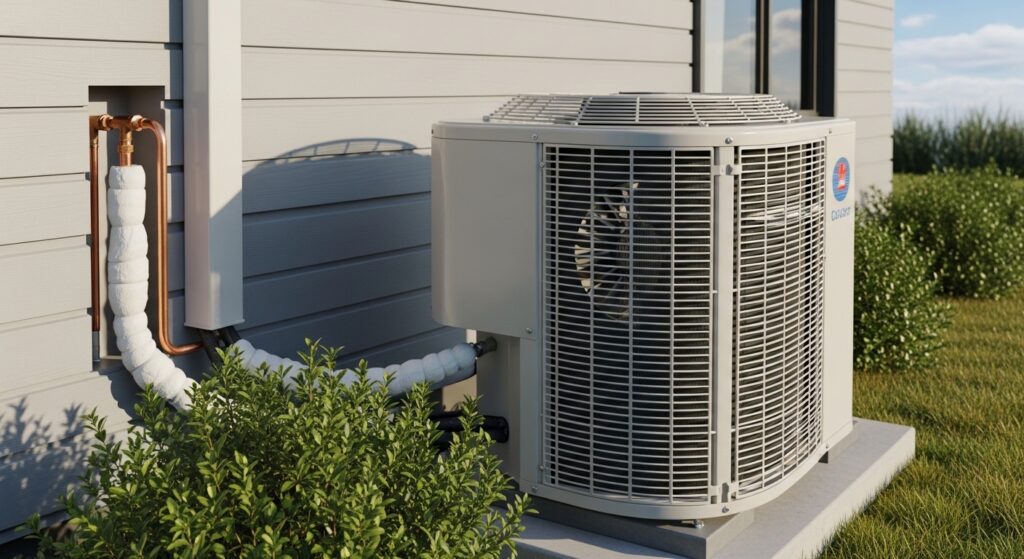
- Central split systems: A common choice using a furnace or air handler indoors and a condenser outdoors. Compatible with existing ductwork and a range of efficiency tiers.
- Heat pumps: Offer efficient cooling plus heating in moderate shoulder seasons, with modern designs performing well in a wide range of conditions.
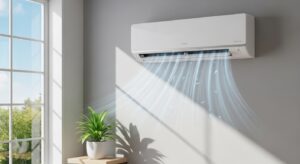
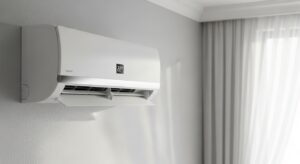
- Ductless mini-splits: Ideal for additions, attics, or homes without existing ducts. Provide zoned control and quiet operation with wall, floor, or ceiling-mounted air handlers.
Single-Stage, Two-Stage, or Variable-Speed?
Compressor technology shapes comfort and noise. Single-stage runs full throttle or off; it’s simple but can be louder and less consistent. Two-stage systems offer a low stage for mild days and a high stage for peak heat, improving temperature stability. Variable-speed units modulate in small increments, maintaining exceptionally steady temperatures and better moisture control, often with the quietest operation.
Humidity Management Is Essential
Comfort depends on both temperature and humidity. Systems that can run longer at lower speeds extract more moisture from the air. For homes that feel sticky in the evening, prioritize equipment with strong dehumidification performance, proper airflow setup, and controls designed to support lower-speed operation. Your installer can adjust fan profiles to balance dryness and cooling capacity.
Airflow and Duct Considerations
Great equipment cannot overcome undersized or leaky ducts. Ask for static pressure testing and duct inspection. Solutions can include sealing joints, resizing certain runs, or adding returns to boost circulation. The goal is quiet airflow, consistent room-to-room comfort, and adequate coil performance for temperature and humidity control.
Noise Levels and Placement
Noise is a common selection factor. Variable-speed outdoor units typically run at lower sound levels during most of the day. Proper placement—on a stable pad, away from bedroom windows, with clear airflow—further reduces perceived noise. Indoors, a well-insulated cabinet and balanced blower improve quiet operation, especially at night.
Smart Controls and Zoning
Modern thermostats coordinate staging and fan speeds to smooth out temperature swings. If your home has areas with very different heat loads—south-facing rooms, finished attics, or additions—zoning can direct more cooling where it’s needed without overconditioning the rest of the house. Ductless systems offer zoning by design, while central systems can add motorized dampers and dedicated thermostats.
Coil and Filter Considerations
Coil design affects heat transfer and serviceability. Ask how easily the indoor coil can be accessed for cleaning, since buildup hinders performance and humidity removal. For filtration, a cabinet that accepts higher-efficiency media keeps coils cleaner and air fresher, provided airflow is maintained. Your installer should balance filtration goals with system capacity and duct conditions.
Energy Use in Context
Efficiency ratings are helpful, but real-world savings depend on installation quality, duct tightness, and control settings. A variable-speed system set up with proper airflow and staging may feel better and use less energy than a higher-rated unit installed without commissioning. Discuss how your home’s envelope—insulation and air sealing—works with the AC to reduce run time and stabilize comfort.
When Ductless Shines
Ductless systems excel in spaces where ducts are impractical or when targeted zoning is a priority. They offer precise room-by-room control, very quiet operation, and high efficiency. For older homes with challenging architecture, or for new spaces like sunrooms and attic conversions, ductless can deliver comfort without major renovations.
Upstairs vs. Downstairs Comfort
Two-story homes often experience warm upstairs rooms. Solutions include verifying supply and return balance, adding returns in key rooms, adjusting fan profiles, and considering zoning. If ducts are limited upstairs, a ductless air handler can supplement central cooling to even out temperatures.
Maintenance and Longevity
Regardless of the model you choose, consistent maintenance protects performance. Clean filters, clear coils, and open vents keep airflow healthy. Annual inspections catch small issues like weakening capacitors, algae in drains, or fin damage. Units designed with easy access to service panels and coils tend to be simpler and faster to maintain.
Frequently Asked Questions
Q: What size AC does my home need? A: Size depends on a load calculation that accounts for insulation, windows, orientation, and occupancy. Avoid guessing based on square footage alone.
Q: Are variable-speed systems worth it? A: If you value steady temperatures, better humidity control, and quiet operation, variable-speed is often a strong choice when paired with proper setup.
Q: Do I need to replace my ducts with a new unit? A: Not necessarily. Many homes benefit from sealing and targeted adjustments rather than full replacement.
Q: Can I add zoning to an existing central system? A: Often yes, with motorized dampers and compatible controls. A professional evaluation will confirm feasibility.
Q: Is ductless only for homes without ducts? A: No. Ductless is also an excellent supplement for hard-to-cool rooms or additions.
Q: How important is commissioning? A: Critical. Proper charging, airflow verification, and control configuration determine how the system actually feels in daily use.
Choose With Confidence
The best AC for your Skokie home is the one that fits your space, goals, and lifestyle—and is installed and commissioned to high standards. For guidance tailored to your home, consult a local expert who can evaluate ducts, load, and control options. To discuss models, features, and design choices, reach out to a trusted air conditioning professional and take the next step toward cool, consistent comfort.