
When your cooling system falters on a humid Skokie day, a calm, methodical approach can restore comfort quickly—or at least clarify what to ask a technician. The goal is not to replace professional service, but to help you identify simple issues you can safely address. This guide walks through practical troubleshooting steps, common symptoms, and safety notes specific to homes in Skokie, Illinois. With a few checks and a basic toolkit, you can often resolve airflow hiccups, nuisance shutdowns, or thermostat confusion and get back to reliable air conditioning.
Safety First
Before touching equipment, consider safety. Turn off power at the thermostat and, if needed, at the breaker. Avoid opening sealed panels or handling refrigerant lines. If you smell burning, see arcing, or suspect electrical damage, stop and call a professional. Water near the air handler requires caution; protect flooring and avoid slipping hazards.
Step 1: Thermostat and Settings
- Verify the thermostat is set to Cool and the setpoint is below room temperature.
- Check that any schedule holds or vacation modes are cleared.
- Replace thermostat batteries if the display is fading or unresponsive.
- Confirm fan setting. Auto is typically best; On can help with air mixing but may raise humidity.
Smart thermostats sometimes lose Wi‑Fi or app connectivity. Even if the app looks normal, double-check the device itself. If the thermostat was recently updated, confirm that equipment type and staging settings are correct.
Step 2: Power and Breakers
- Inspect the main electrical panel for tripped breakers labeled AC, condenser, or air handler.
- At the indoor unit, ensure the service switch is on. At the outdoor unit, verify the disconnect is fully seated.
- If a breaker trips again immediately, stop and call for service, as this indicates a deeper issue.
Brief power outages can confuse some controls. After confirming power, give the system a few minutes to reset before retesting.
Step 3: Airflow and Filters
- Replace a dirty or collapsed filter. Note the arrow indicating airflow direction.
- Open all supply registers and verify returns are not blocked by furniture or drapes.
- Look for crushed flex ducts in attics or basements, especially after storage or maintenance work.
Poor airflow can lead to freezing at the indoor coil, which presents as little to no air from vents. If you suspect icing, turn the system off and run fan-only to thaw, then address the airflow restriction.
Step 4: Condensate Drain and Safety Switches
- Locate the drain line near the indoor unit. If you see standing water in the pan, the float switch may have shut the system down.
- Clear visible clogs and ensure the line has a proper slope. For stubborn clogs, call a technician to avoid overflow damage.
Skokie’s summer humidity makes reliable drainage essential. A clean drain prevents nuisance shutdowns and protects flooring and finishes near the air handler.
Step 5: Outdoor Unit Checks
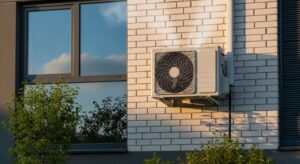
- Confirm the outdoor fan is spinning and that the top of the unit is free of sticks, leaves, or bags.
- Listen for unusual noises like grinding, rattling, or rapid clicking. These can signal fan or contactor issues.
- Maintain at least two feet of clearance around the condenser for proper airflow.
If the fan runs but the compressor does not, or if the unit starts and stops rapidly, stop and schedule service. Continued attempts can worsen damage.
Step 6: Temperature and Humidity Clues
Use a simple thermometer to check supply air temperature at a nearby register and compare it to room temperature. A clear drop indicates cooling is occurring. If air is blowing but not cooling, coil cleanliness, refrigerant circuit problems, or controls may be at play. High indoor humidity despite cooling can point to short cycles, low airflow, or sizing and staging issues.
Step 7: Reset and Test
After addressing basic issues, perform a controlled test. Set the thermostat a few degrees lower than current room temperature and allow the system to run for 10–15 minutes. Listen for steady operation, check for consistent airflow across rooms, and look for any water at the drain or pan. Note error codes or blinking lights on accessible controls, which can help a technician diagnose faster.
When to Call a Professional
Stop DIY troubleshooting and seek service if breakers trip repeatedly, the system is frozen solid, you smell electrical burning, or you hear grinding from motors. Refrigerant handling and sealed components require certified tools and training. A professional will verify electrical integrity, measure refrigerant conditions, clean coils safely, and ensure drainage and airflow are within design ranges.
Skokie Home Considerations
Basements, common in Skokie, can be cool and damp in summer. Ensure returns are not drawing overly humid basement air unless the system is designed for it. Check for condensation on ductwork; insulation or vapor barrier improvements may be needed. If your outdoor unit is placed near landscaping, trim shrubs routinely to promote airflow and reduce recirculation of hot exhaust.
Preventing Repeat Issues
- Change filters on schedule and keep a spare on hand.
- Flush the condensate line at the start of the season.
- Schedule professional inspection before peak heat.
- Keep supply and return paths open with thoughtful furniture placement.
- Record maintenance and issues in a simple log for future reference.
Frequently Asked Questions
Why is air coming out but not cold? Possible causes include a dirty coil, low airflow, or control settings. If airflow is strong but not cool, professional diagnostics are recommended.
My system keeps turning on and off quickly. What does that mean? Short cycling can stem from thermostat placement, airflow issues, or component failure. It requires careful investigation to prevent wear.
Why does my system freeze? Common reasons include dirty filters, blocked returns, or incorrect blower speeds. Once thawed, verify airflow and call for service if icing recurs.
What should I do if water appears near the furnace? Turn cooling off, mop up water to protect finishes, and inspect the drain. A tripped float switch is doing its job—address the clog before resuming.
Is it safe to hose off the outdoor unit? Light rinsing from the top down is generally safe with power off, but avoid high-pressure sprays that can bend fins.
Will running the fan reduce humidity? Fan-only may help move air but can raise humidity if it brings moisture off a wet coil. Use with care.
Restore Comfort with Confidence
A few simple checks can resolve many common cooling hiccups and help you communicate clearly with a service professional when needed. If the problem persists or safety is in question, schedule expert diagnostics. For guidance tailored to your home and to keep your air conditioning reliable through Skokie’s steamy stretches, partner with a trusted local team.