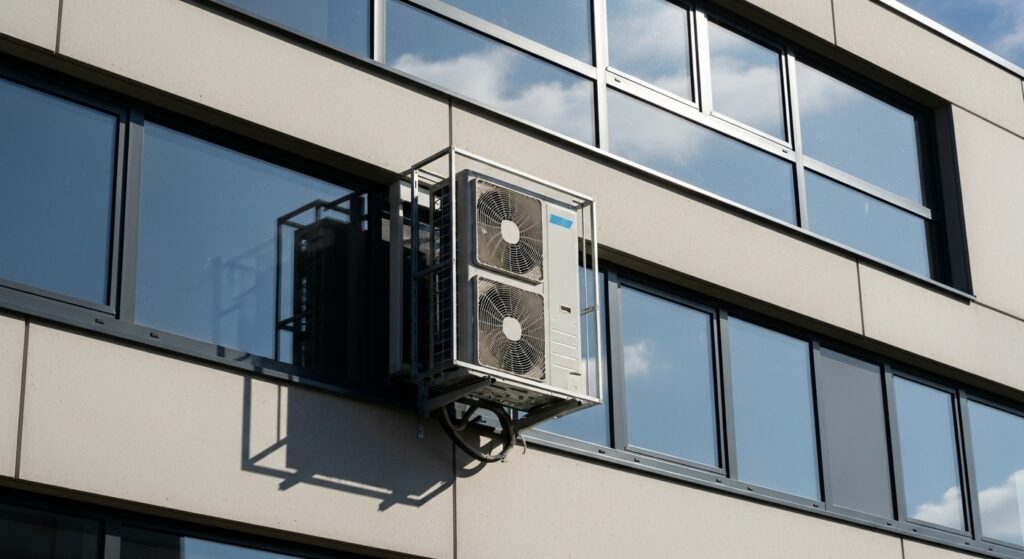
When summer arrives in Skokie, a dependable cooling system is essential. If your system falters on a muggy afternoon or during a heat wave, knowing what to check first can save time and stress. This practical, safety-minded guide walks you through common issues, how to evaluate them, and when to call a professional. As you read, keep in mind that a solid understanding of basic residential air conditioning principles helps you interpret symptoms and communicate clearly with a technician.
Safety First
Before touching your system, think safety. Turn off power at the thermostat and, if necessary, at the breaker or outdoor disconnect before inspecting panels or wiring. Never reach into moving fan blades. If you smell burning, see smoke, or notice repeatedly tripping breakers, stop and call for service. Water near electrical components also warrants immediate caution.
No Cooling or Warm Air from Vents
Start with basics. Confirm the thermostat is set to cool and the temperature is below current room reading. Replace batteries if the screen is dim or blank. Next, check breakers and fuses for both the indoor and outdoor units. If the outdoor unit is silent while the indoor blower runs, a tripped breaker or a safety switch may be the culprit. Also verify that the outdoor disconnect is fully seated.
If power and settings are correct, examine the filter. A severely clogged filter can cause the coil to freeze and reduce or stop cooling. Turn the system off and allow any ice to melt before restarting. If the outdoor fan runs but the air is still warm, a refrigerant or compressor issue may be involved and requires professional diagnosis.
Weak Airflow
Poor airflow often points to a blocked filter, closed or obstructed supply registers, or return vents covered by furniture or drapes. Ensure registers are open and returns are clear. If airflow remains weak, duct leaks, crushed flex duct, or a failing blower motor could be at fault. Listen for changes in blower sound; a wavering or unusually loud hum may indicate bearing or capacitor problems.
Short Cycling or Constant Running
Short cycling—frequent starts and stops—can result from an oversized system, restricted airflow, or thermostat placement in a draft or direct sun. Constant running may be normal during extreme heat but can also indicate low refrigerant charge or a dirty coil. Start with the filter and outdoor coil cleanliness. If those are fine and symptoms persist, professional testing of refrigerant and controls is appropriate.
Frozen Indoor Coil
Ice on the refrigerant lines or coil points to airflow problems or low refrigerant. Turn the system off to let ice melt and replace the filter. Ensure all registers are open. If icing returns, do not continue running the system, as that risks compressor damage. Schedule service to check for airflow balance, blower performance, and refrigerant levels.
Unusual Noises
Banging or clanking from the outdoor unit can indicate a loose fan blade or debris striking the fan. Clicking from the control board at startup can be normal, but rapid repeated clicking may point to a failing relay or low voltage. A high-pitched squeal indoors may stem from a slipping belt on older systems or a blower motor issue. Shut off power before investigating and call a professional for persistent or loud noises.
Odors and Water Leaks
Musty smells often arise from algae in the condensate pan or a wet filter. Changing the filter and clearing the drain usually helps. A sour or chemical odor may indicate overheated components or wiring insulation; power down and call for service. Water near the indoor unit often signals a clogged drain line or a cracked pan. Address promptly to prevent damage to drywall, flooring, or framing.
Thermostat and Control Issues
Misread temperatures, unresponsive touchscreens, or erratic scheduling can undermine comfort. Move heat sources away from the thermostat, verify Wi-Fi connectivity for smart models, and update firmware when available. For multi-stage or heat pump systems, confirm that thermostat settings match equipment type so staging and reversing valve control operate correctly.
Air Quality and Humidity Problems
Skokie’s humidity can make rooms feel warmer than the thermostat indicates. If you notice sticky air or foggy windows, check that your fan is set to auto rather than on; constant fan can re-evaporate moisture from the coil. Ensure the coil is clean and the system is not oversized for the space. Consider a dedicated dehumidification strategy if humidity consistently exceeds your comfort range.
When to Call a Professional
Some symptoms cross the line from DIY to expert territory: repeated breaker trips, visible arcing or scorch marks, refrigerant concerns, blower motor failure, and persistent icing despite filter changes. A skilled technician will measure pressures, electrical values, and temperature splits to pinpoint issues. To make that visit efficient, keep a log of symptoms, times of day, and any code or error messages observed. For broader context and to ask sharper questions, review foundational insights into residential air conditioning before your appointment.
Preventive Steps That Reduce Breakdowns
Consistency is your friend. Replace filters on schedule, keep the outdoor coil clear of leaves and grass, and verify condensate drainage each spring. Schedule professional maintenance to document key readings and catch small problems before they grow. A surge protector and clean electrical connections help guard against summer storms. Good airflow, clean coils, and sound controls work together to keep your system steady during heat waves.
Frequently Asked Questions
Q: My thermostat is set to cool, but the outdoor unit will not run. What now? A: Check the breaker and outdoor disconnect, and verify the float switch is not tripped from a clogged drain. If power is good and the contactor does not pull in, call for service.
Q: Why does my system freeze at night but not during the day? A: Cooler nighttime air can push marginal airflow or low refrigerant issues over the edge. Start with a clean filter and open vents; if icing persists, schedule a diagnostic.
Q: What is a normal temperature split? A: Many systems show a moderate difference between return and supply air under steady conditions. Deviations can signal airflow or refrigerant problems that warrant professional measurement.
Q: Is continuous fan operation helpful? A: Sometimes it evens out temperatures, but it can also raise indoor humidity during summer. Try auto mode first and use continuous fan strategically.
Q: How can I reduce noise from the outdoor unit? A: Ensure it is level, clear of obstructions, and that mounting hardware is tight. Strategic placement and vibration isolation help too.
Restore Comfort with Confidence
Armed with a step-by-step approach, you can resolve many common issues quickly and know when expert help is the wise next move. Keep safety top of mind, document symptoms, and maintain airflow and drainage. When you are ready for thorough diagnostics or a seasonal tune-up that prevents surprises, schedule a visit with a local team that knows Skokie homes inside and out and can optimize your air conditioning for the hottest days of the year.