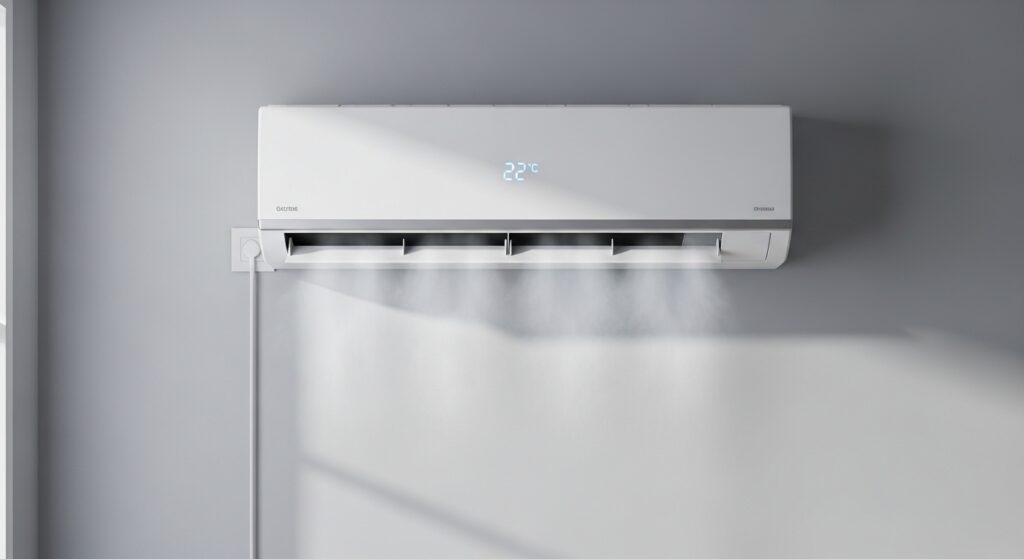
Skokie summers arrive with humidity, sudden storms, and stretches of heat that test every home’s cooling system. Staying ahead with a maintenance routine protects comfort, efficiency, and peace of mind. Whether you own a classic brick ranch on a tree-lined street or a newer home near Oakton, the principles are the same: clean airflow, correct drainage, and attentive checks keep your system reliable. As you build your maintenance plan, start by grounding your understanding of how residential air conditioning works so that each task you perform has purpose and context.
Filter Discipline Is Non-Negotiable
Your filter is the gatekeeper of airflow. A clogged filter forces the blower to work harder, reduces cooling capacity, and can contribute to coil icing. Check monthly during heavy use and replace according to the manufacturer’s guidance and your home’s conditions. If you have pets, a home office with paper dust, or ongoing renovation, expect to replace more frequently. For higher MERV filters, confirm that your return duct and blower can handle the added resistance; sometimes a larger filter cabinet or multi-return strategy is necessary.
Outdoor Condenser Care
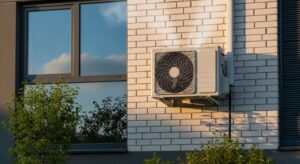
Air must flow freely through the outdoor coil. Keep shrubs, grass, and debris at least a couple of feet away on all sides, and maintain overhead clearance. After storms, remove leaves and twigs from the grille. Gently rinse the coil fins with low-pressure water from the inside out if accessible. If fins are crushed, ask a technician to straighten them with a fin comb. Level mounting matters; a condenser tilting out of level can strain refrigerant flow and bearings.
Condensate Management
In humid Skokie summers, your system removes a significant amount of moisture. That water must leave the home cleanly. Inspect the condensate pan and drain line for algae or sludge. A wet-dry vacuum on the exterior drain line, if available, can help clear minor clogs. Adding a float switch provides overflow protection and can prevent ceiling or closet damage. Ensure the drain line has proper slope and insulation where needed to reduce sweating.
Evaporator Coil and Blower Health
Dust or biological growth on the indoor coil acts like a sweater on your system, insulating it and reducing heat transfer. Ask for periodic professional cleaning of the coil and blower wheel. When the blower is clean and the coil is clear, the system runs quieter, cooler, and with less energy. During maintenance, technicians should also check blower motor amps, capacitor health, and mounting hardware to prevent vibration and noise.
Ductwork and Airflow Balance
Leaky or undersized ducts are a common source of poor comfort. Have ducts inspected for loose connections, kinks in flexible runs, and inadequate return air. Sealing with appropriate materials and adjusting dampers can improve room-to-room balance. If a bedroom is consistently warmer, it is often a duct issue rather than a thermostat problem. Insulating ducts in unconditioned spaces also keeps cooled air from picking up heat before it reaches living areas.
Thermostat Strategy
Modern programmable and smart thermostats help tailor comfort to your routine. Use schedules to reduce cooling during work hours and pre-cool before you return. Avoid big temperature swings that force long recovery cycles. If humidity is a challenge, consider humidity setpoints where supported. Confirm thermostat placement away from direct sun, supply vents, or heat-producing electronics for accurate readings.
Electrical and Safety Checks
Loose electrical connections can cause nuisance shutdowns and premature wear. During a maintenance visit, a technician should inspect the outdoor disconnect, tighten lugs, and evaluate contactor condition. Surge protection is worth considering in areas with frequent summer lightning. Technicians also verify that the system’s grounding is sound and that breakers and fuses match the equipment’s requirements.
Refrigerant and Performance Verification
While homeowners should not handle refrigerant, you can request that a technician document superheat, subcooling, and temperature split across the coil. These readings reveal charge and airflow health. Unusual frost on lines or the coil, hissing sounds, or oily residues at fittings warrant prompt attention.
Energy Efficiency Beyond the Equipment
Maintenance extends to your building envelope. Weatherstripping, attic insulation, and shading reduce heat gain and ease your system’s workload. Ceiling fans help you feel cooler at slightly higher thermostat settings, and closing blinds during peak sun hours keeps rooms more even. Small improvements across the home multiply the effect of proper equipment maintenance.
Mid-Season Tune-Ups and Pro Help
Peak cooling months can expose small weaknesses. If you notice longer cycles, erratic humidity, or hot and cold spots, schedule a mid-season check. A professional can look beyond the filter to evaluate coil cleanliness, blower performance, condensate health, and electrical components. To broaden your knowledge and make informed decisions during a service call, revisit trusted primers on air conditioning so you can ask precise questions and understand the readings your technician shares.
Common Symptoms You Can Address
Warm air from the vents often means a thermostat setting issue or a tripped breaker to the outdoor unit. Weak airflow can point to a clogged filter or closed supply registers. A musty odor often traces to a dirty drain pan or wet filter. Clicking or rattling may indicate a loose panel or debris in the outdoor fan guard. Address these promptly, and call a professional if symptoms persist after basic checks.
Seasonal Checklist for Skokie Homeowners
Before cooling season, verify filter condition, clear the outdoor unit, test the thermostat schedule, and pour a cup of water in the condensate drain to confirm flow. Mid-season, check again for debris, listen for unusual sounds, and confirm even room temperatures. At season’s end, clean around the condenser and ensure grass and shrubs are trimmed to start next year ready.
Frequently Asked Questions
Q: How often should I replace my filter? A: Check monthly and replace as needed. Many homes do well replacing every one to three months, but homes with pets or allergies may need more frequent changes.
Q: Is hose-washing the outdoor unit safe? A: Yes, with low pressure and the power off. Rinse from inside out if possible, avoiding direct spray at electrical components.
Q: What humidity level should I target? A: Many homeowners are comfortable around mid-range indoor humidity. If your thermostat supports dehumidification, aim for balanced comfort rather than very dry air.
Q: Should supply registers be closed in unused rooms? A: Generally no. Closing registers can increase static pressure and reduce system efficiency. Consider zoning or balancing if certain rooms run warmer.
Q: Do ceiling fans reduce energy use? A: Fans do not lower air temperature, but they improve comfort so you can set the thermostat slightly higher without feeling warm.
Q: When should I call a professional? A: If you see frost on lines or coils, water leaks, repeated breaker trips, electrical odors, or hear grinding or squealing, schedule service promptly.
Make This the Year Your System Runs Its Best
With a consistent routine and timely professional support, your home will stay comfortable through humid afternoons and cool evenings alike. Keep filters fresh, drains clear, coils clean, and airflow balanced, and document each step so next season starts strong. If you are ready to plan a visit, ask for a thorough inspection, documented readings, and practical next steps that match your budget and goals. When you want guidance backed by experience and friendly service, reach out to a local team that knows Skokie neighborhoods and can elevate your air conditioning performance all season long.