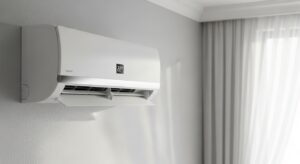
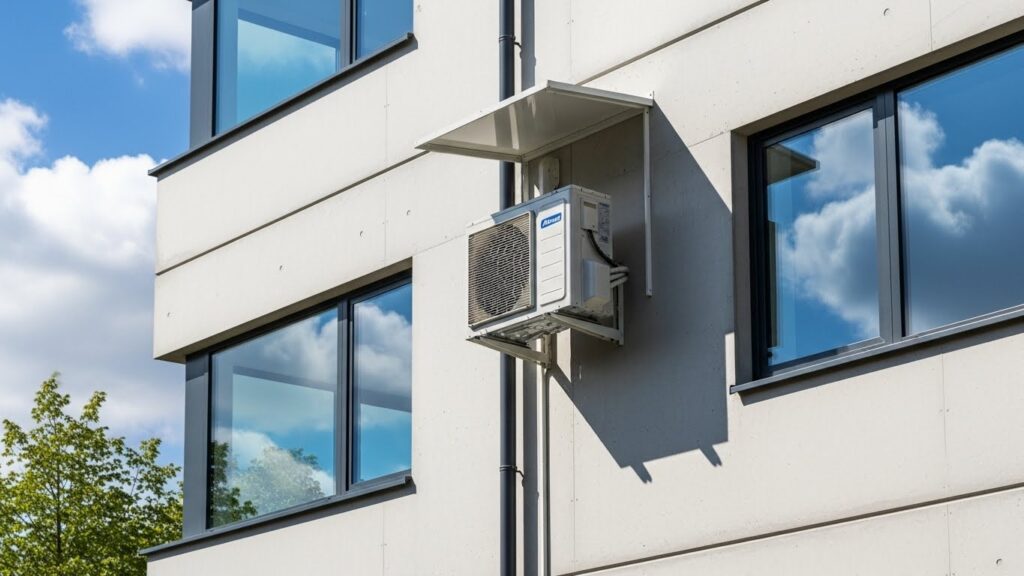
A clean filter is the simplest, most effective way to protect your cooling system and improve indoor air quality in Skokie, Illinois. Filters shield the evaporator coil from dust, pet hair, and construction debris, keeping airflow strong and reducing the chance of icing, leaks, and premature wear. This guide explains recommended replacement schedules, sizing tips, and smart habits that make filter care easy and reliable. If you want a quick refresher on the role filters play in the larger system, this primer on air conditioning can be a helpful starting point.
Why Filters Matter
Filters do more than trap dust—they protect airflow, comfort, and efficiency. When a filter loads up, the blower works harder, the evaporator coil runs colder, and the system risks icing, which can lead to water damage when the ice melts. Clean filters keep temperatures and pressures in the healthy range and help your home feel cooler with less effort.
Finding the Right Size
Filter size is printed on the frame, usually as width by height by thickness in inches, such as 16x25x1 or 20x20x4. Match the exact size specified by your filter rack or return grille. If the fit is sloppy, unfiltered air will bypass the media and carry dust straight to the coil. Do not crush or force a filter into place; incorrect sizing reduces effectiveness and may create noise or vibration as air whistles around the frame. If your system supports a thicker media cabinet—such as 2-inch or 4–5-inch filters—you may enjoy longer intervals between changes and lower resistance to airflow.
Understanding MERV Ratings
MERV (Minimum Efficiency Reporting Value) reflects how well a filter captures particles of different sizes. Higher numbers capture smaller particles, but also increase resistance to airflow. Choose a rating recommended for your blower capacity and household needs. Households with allergies or pets often choose a higher MERV, while those concerned about airflow on older equipment may select a moderate rating that balances capture and resistance. The right choice keeps air clean without straining the system.
Where Filters Live
Filters typically reside in one of two places: at the furnace or air handler in a dedicated rack, or in a return grille on a wall or ceiling. Some homes have both—a media filter at the equipment and a thin prefilter in one or more return grilles. Always replace every filter in the system; a new filter at the furnace will load quickly if a dirty return grille filter remains in place.
Replacement Schedules for Skokie Homes
Schedules vary with lifestyle and environment, but these guidelines provide a strong starting point. Adjust based on what you see and how your system performs.
- Standard 1-inch filters: Inspect monthly during cooling season. Replace every one to three months, more often if you have pets, ongoing renovation dust, or allergy concerns.
- 2-inch filters: Inspect monthly and expect replacement every two to four months under typical conditions.
- 4–5-inch media: Inspect at least every two months and replace every four to six months, more frequently if the home is dusty or you notice airflow decline.
- Return grille filters: Because they see all the household air, check them on the same cadence as the primary filter.
Seasonal changes in Skokie also influence schedules. Spring pollen and summer humidity increase dust and biological load, while fall projects and winter occupancy patterns can add particulates. Keep an eye on filter condition and adjust accordingly.
How to Change a Filter Safely
- Turn off the system: Switch the thermostat to OFF to avoid drawing dust into the blower while the filter is removed.
- Locate the filter slot: At the air handler or furnace, look for a removable door near the return duct. For return grilles, release the latches or screws.
- Note airflow direction: An arrow on the filter frame should point toward the equipment on rack-mounted filters and toward the duct for return grilles.
- Insert the new filter: Slide gently to avoid damaging the frame. Ensure a snug, flush fit.
- Record the date: Write the installation date on the frame and set a digital reminder.
- Restart the system: Return the thermostat to COOL and confirm normal airflow at the vents.
Signs Your Filter Needs Earlier Replacement
- Visible dust buildup on the media and frame.
- Rising energy use or longer run times to reach setpoint.
- Weak airflow at supply registers.
- Whistling noises near the filter rack or return grilles.
- Increased dust accumulation on furniture despite regular cleaning.
Special Considerations: Pets, Allergies, and Renovations
Households with shedding pets or allergy sufferers benefit from closer monitoring. Keep a spare filter on hand and check monthly. During renovations—drywall sanding, floor refinishing, or cabinet installation—consider turning the system off while dusty work is underway and use localized exhaust or portable filtration. If the system must run, expect to change the filter more frequently and discuss temporary prefilters with your contractor.
Improving Filter Performance
- Seal gaps at the filter rack with approved gasketing so air cannot bypass the media.
- Upgrade to a properly sized media cabinet for thicker filters if your blower can handle the resistance.
- Keep return paths open by avoiding furniture that restricts airflow.
- Vacuum return grilles to remove surface dust that can dislodge into the system when the blower starts.
- Pair filtration with source control and ventilation: Use kitchen and bathroom exhaust fans to reduce particles and humidity at the source.
Filter Sizes Commonly Found in the Area
Skokie homes often use common sizes like 16x25x1, 20x25x1, 16x20x1, 20x20x1, and media sizes such as 20x25x4 or 16x25x4, but your system may differ. Always rely on the label on your current filter or the rack markings rather than guessing. If the size is missing or the rack looks custom, measure the slot carefully and consult a professional to ensure the correct fit.
Avoiding Common Mistakes
- Do not double-stack thin filters to imitate a thicker one; that increases resistance and can damage the blower.
- Do not cut filters to size; fibers can shed, and the frame will not seal properly.
- Avoid very high-MERV filters on older blowers without confirming airflow capacity.
- Do not leave filters in place indefinitely because they “still look white.” Internal loading may be significant.
When to Ask a Professional for Help
Call for assistance if you notice persistent icing, repeated float switch trips, or noise after a filter change. A technician can check static pressure, coil condition, and blower settings to ensure the system is not being overworked. They can also recommend the ideal filter rating and thickness for your equipment and home.
Frequently Asked Questions
Q: How do I set reminders that I will actually follow? A: Use a calendar app, smart speaker routines, or sticker notes on the thermostat. Some smart thermostats offer filter alerts based on run time.
Q: Are washable filters a good idea? A: They can work if maintained carefully, but improper cleaning leaves residue that restricts airflow. Many homeowners prefer disposable media for consistent performance.
Q: Can a thicker filter replace several thin ones? A: If your cabinet supports it, a single high-capacity media filter can last longer with lower resistance. Do not retrofit without confirming fit and airflow.
Q: What if my home has multiple return grilles? A: Replace every filter, not just the most accessible one. Missing a grille filter reduces protection and can unbalance airflow.
Q: Why is dust still accumulating after I changed the filter? A: Check return leaks, door and window seals, and housekeeping routines. Filtration helps, but source control and sealing are equally important.
Q: How do I know if my filter is too restrictive? A: Signs include whistling, poor airflow, and longer run times. A professional can measure static pressure and recommend an alternative.
Q: Should I change filters more often in summer? A: Often yes, especially during heatwaves or if doors and windows open frequently. Inspect monthly and adjust as needed.
Keep Your Home Breathing Easy
With the right size, rating, and replacement schedule, your system will run smoothly and your home will feel cleaner and more comfortable. If you want a simple overview that places filters in the context of the whole system, glance at this quick guide to air conditioning, then set your reminders and keep spare filters ready so you never miss a change.