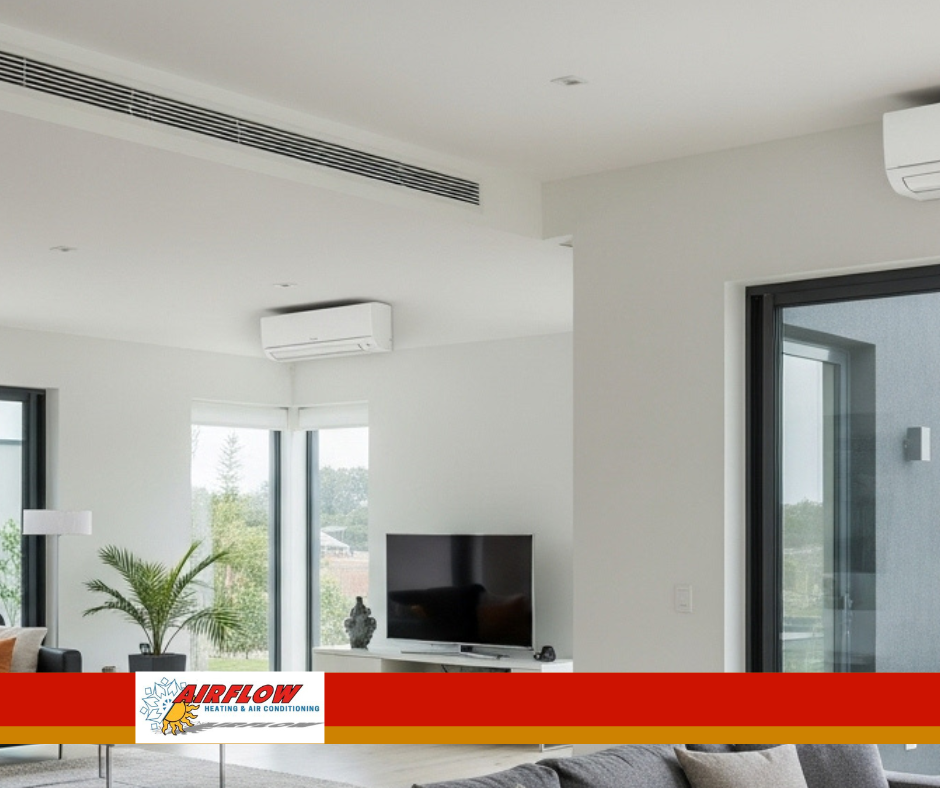
There’s nothing more frustrating than turning on your Air Conditioning system on a hot day—only to feel warm air or weak airflow. When your AC isn’t cooling properly, it could be a sign of several underlying issues. Understanding these common problems can help you decide when to try a quick fix or when to call in professional help.
1. Dirty Air Filters
This is one of the simplest but most overlooked causes of poor Air Conditioning performance. When filters become clogged with dust and debris, they restrict airflow, forcing your system to work harder. This can result in uneven cooling or, in severe cases, prevent cool air from circulating altogether. Changing or cleaning filters regularly—usually once a month during peak seasons—can make a significant difference.
2. Thermostat Issues
Sometimes, the problem isn’t your cooling system—it’s the thermostat. Whether it’s incorrectly set, malfunctioning, or not calibrated properly, a thermostat that doesn’t accurately read the room temperature can stop your AC from running as needed. If you have a programmable or smart thermostat, check that it’s on the correct cooling setting and synced properly with your HVAC system.
3. Low Refrigerant Levels
Your air conditioner relies on refrigerant to absorb heat and cool the air inside your home. If there’s a refrigerant leak or the levels are too low, your Air Conditioning system may blow warm air or struggle to maintain the set temperature. Low refrigerant is often accompanied by hissing sounds, ice on the coils, or unusually long cooling cycles.
4. Blocked or Leaky Ductwork
In central air systems, air travels through a series of ducts to reach each room. If these ducts are blocked by debris, damaged, or leaking, cooled air won’t reach its destination efficiently. As a result, you might feel warm spots or reduced airflow in certain rooms. Proper duct sealing and insulation can greatly improve cooling performance.
5. Dirty or Frozen Evaporator Coils
Evaporator coils play a critical role in the cooling process by absorbing heat from your indoor air. When these coils are dirty or frozen, they can’t function effectively. This often leads to reduced cooling output or warm air from the vents. Routine maintenance helps keep these coils clean and functioning as they should.
6. Faulty AC Compressor
The compressor is the heart of your Air Conditioning system, responsible for circulating refrigerant and maintaining pressure. If the compressor is damaged or failing, your AC may run but won’t cool the air. This is typically a more serious issue that requires professional diagnosis and repair.
7. Electrical or Sensor Problems
Your AC system depends on a series of electrical components and sensors to operate efficiently. Loose wires, corroded parts, or a malfunctioning capacitor can disrupt performance. Additionally, a faulty temperature sensor can send the wrong signals to the control board, causing your system to shut off prematurely or not run at all.
8. Outdoor Unit Obstructions
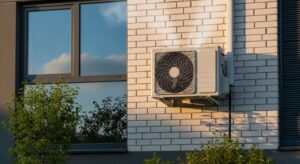
The outdoor condenser unit needs space and proper airflow to release heat. If it’s surrounded by plants, debris, or dirt, it can’t operate efficiently. Cleaning around the unit and making sure nothing is obstructing the fan or fins can enhance cooling performance.
Keeping Your AC System Running Smoothly
When your Air Conditioning isn’t working as it should, it’s important to investigate early. Small issues like dirty filters or thermostat glitches can often be addressed quickly, while more serious problems may require professional attention. Regular maintenance, timely filter changes, and monitoring your system’s performance can help ensure you stay cool and comfortable year-round.
Final Thoughts
Your home’s comfort depends on a reliable and efficient Air Conditioning system. By understanding the common reasons your AC might not be cooling properly, you can take the right steps to resolve the issue and prevent future breakdowns. Stay proactive, stay informed, and enjoy a consistently cool home.
READ MORE: