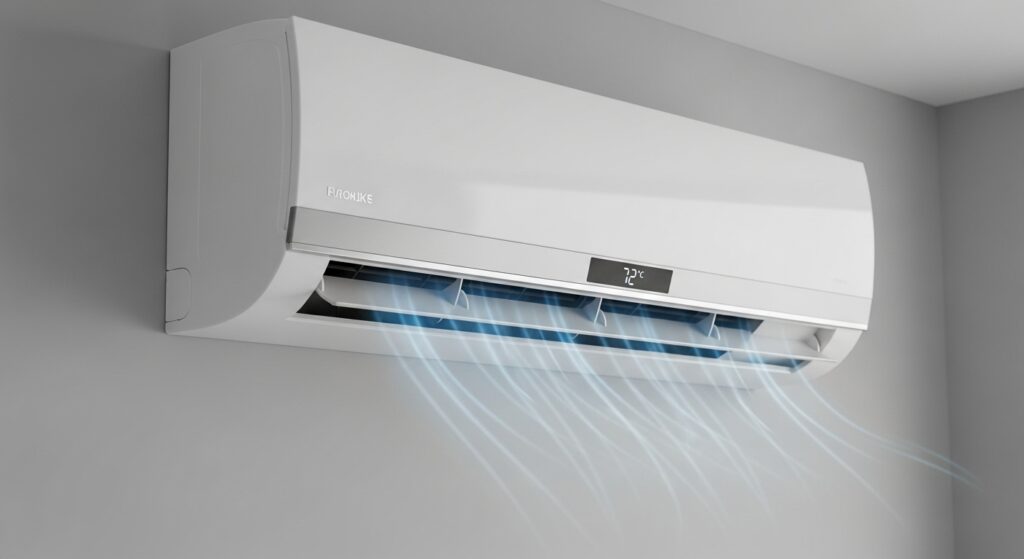
Air conditioning plays a huge role in maintaining indoor comfort, especially during warm seasons when temperatures can quickly climb. When your system runs smoothly, it cools your home efficiently and quietly. But when something goes wrong, even minor issues can make your space uncomfortable and put extra strain on the equipment. The good news is that many common air conditioning problems can be recognized early and prevented with the right knowledge.
Below are 10 of the most common air conditioning issues homeowners encounter, along with practical solutions and maintenance tips to keep your system working at its best.
1. Poor or Weak Airflow
Weak airflow is one of the most common complaints among AC users. You might notice that some rooms feel cooler than others or that your vents are barely blowing air.
Possible Causes
- Dirty or clogged air filters
- Blocked or closed vents
- Problems with the blower motor
- Duct leaks or obstructions
How to Fix It
Start by checking your air filters. A clogged filter restricts airflow and puts extra strain on the system. Replacing or cleaning it can make an immediate improvement. Next, ensure that all vents are open and unblocked by furniture or curtains. If airflow is still weak, the issue may be inside the ductwork or related to the blower motor—situations that require professional inspection. Regularly checking filters and vents can prevent most of these issues from occurring.
2. Warm Air Coming From the Vents
If your air conditioner is blowing warm air instead of cool, the system might be struggling to complete its cooling cycle.
Possible Causes
- Thermostat set incorrectly
- Dirty condenser coils
- Refrigerant issues
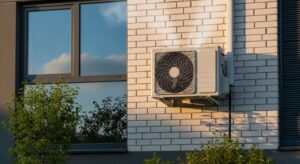
- Blocked outdoor unit
How to Fix It
Begin with the thermostat. Make sure it’s set to “cool” and at the desired temperature. If the thermostat is working properly, check the outdoor unit. Over time, leaves, dirt, and debris can block airflow. Carefully clear the area around the condenser. If the system still blows warm air, the problem could involve refrigerant or mechanical components, which should be handled by a qualified technician.
3. AC Unit Turning On and Off Frequently (Short Cycling)
Short cycling occurs when your AC turns on and off more often than it should, completing very short cooling cycles. This leads to poor cooling performance and unnecessary stress on the system.
Possible Causes
- Dirty air filter
- Oversized AC unit
- Low refrigerant
- Electrical issues
How to Fix It
Replace or clean the air filter first. If the problem continues, check for obstructions around the outdoor unit. Ensuring good airflow can solve short cycling in many cases. Persistent short cycling may indicate a more complex issue like refrigerant imbalance or incorrect system sizing, requiring expert evaluation.
4. Water Leaks Around the Indoor Unit
Air conditioners naturally produce condensation, but this water should drain properly. When water appears around the indoor unit, there’s usually a drainage problem.
Possible Causes
- Clogged condensate drain line
- Broken drain pan
- Excessive humidity
- Frozen evaporator coil
How to Fix It
The most common fix is clearing the condensate drain line. Algae or dirt buildup inside the drain pipe can cause water to back up and leak. Regular cleaning prevents this. If the drain pan is cracked, it may need replacement. If leaks continue, especially with signs of ice on the unit, turn off the AC and let it thaw before seeking a professional inspection.
5. Strange Noises From the AC Unit
A properly functioning air conditioner should run quietly with minimal noise. If your system suddenly starts making unusual sounds—grinding, banging, screeching, buzzing, or clicking—something is wrong.
Possible Causes
- Loose or damaged parts
- Debris trapped in the outdoor unit
- Motor or fan issues
- Electrical problems
How to Fix It
Turn off the system immediately if you hear loud or alarming noises. Inspect the outdoor unit for visible debris and carefully remove anything that shouldn’t be there. If the noise persists, avoid using the system until a technician can inspect it. Running the AC with broken parts can cause further damage.
6. Foul or Musty Odors From the Vents
Your AC should not produce unpleasant smells. Odd or musty odors indicate a cleaning or maintenance issue that should be addressed promptly.
Possible Causes
- Mold or mildew in the ducts or evaporator coil
- Clogged drainage line
- Dirty air filter
- Debris buildup in the system
How to Fix It
Start by replacing the air filter. If the smell persists, the ducts or evaporator coil may require cleaning. A clogged drain line can also cause moisture buildup, which promotes mold growth. Keeping your AC clean and ensuring proper drainage helps eliminate odors and improve indoor air quality.
7. AC Not Turning On at All
Few things are more frustrating than an AC that refuses to turn on. Fortunately, this issue often has a simple cause.
Possible Causes
- Tripped circuit breaker
- Thermostat malfunction
- Loose wiring
- Blown capacitor
How to Fix It
Check your electrical panel first. Reset any tripped breakers, but if this happens repeatedly, there may be a deeper electrical issue. Ensure the thermostat has working batteries if it uses them. If neither of these resolves it, the problem may involve internal electrical components. Because electrical issues can be hazardous, professional assistance is recommended in such cases.
8. Frozen Evaporator Coil
Ice forming on your AC’s evaporator coil is a sign that the system is not receiving enough airflow or refrigerant.
Possible Causes
- Dirty air filter
- Low refrigerant
- Blocked airflow
- Malfunctioning blower motor
How to Fix It
Turn off the AC and allow the ice to melt completely before doing anything else. Replace the air filter and check that all vents are open and unobstructed. If the coil freezes repeatedly, there may be a refrigerant or mechanical issue requiring professional diagnosis. Running your AC with ice on the coil can cause severe damage, so it’s important to address this early.
9. AC Running Constantly Without Cooling Properly
When the AC runs continuously but fails to cool effectively, energy is wasted and indoor comfort decreases.
Possible Causes
- Dirty coils
- Clogged air filter
- Insufficient refrigerant
- Thermostat placement issues
- Leaky ductwork
How to Fix It
Clean the air filter and check the outdoor unit for dirt or debris. A thermostat placed in direct sunlight or near heat-producing appliances can also affect cooling behavior, so make sure it’s positioned correctly. If these steps don’t help, a deeper mechanical issue may be preventing proper heat exchange.
10. High Humidity Indoors
Your air conditioning system is designed to control both temperature and humidity. If your home feels sticky or overly humid, the AC may not be working correctly.
Possible Causes
- Oversized AC unit
- Dirty evaporator coils
- Incorrect thermostat settings
- Restricted airflow
How to Fix It
Start by ensuring your thermostat is on the correct cooling mode. Improve airflow by cleaning or replacing filters and checking vents. In some cases, the evaporator coils need cleaning to restore proper dehumidification. Persistent humidity problems may indicate an airflow or system-sizing issue that needs professional assessment.
Preventive Tips to Avoid Common AC Problems
While the issues above are common, many can be avoided with proper maintenance. Here are simple habits that help your AC run efficiently:
- Change your air filter regularly. This is the easiest and most effective way to prevent airflow issues.
- Keep the outdoor unit clear. Remove debris, leaves, and dirt from around the condenser.
- Clean the vents. Dust buildup can restrict airflow and reduce performance.
- Monitor thermostat settings. Use consistent temperatures and avoid frequent manual changes.
- Schedule routine maintenance. A periodic check can catch small issues before they turn into bigger problems.
- Pay attention to early warning signs. Strange noises, weak airflow, or unusual odors shouldn’t be ignored.
Conclusion
Air conditioning systems are essential for comfort, and most common issues can be prevented or easily addressed with routine care. By understanding how your system works and recognizing early symptoms, you can take quick action when something seems off. This helps extend the lifespan of your AC, maintain energy efficiency, and keep your home cool and comfortable throughout the warm months.
If you’d like, I can also write a meta description, keyword list, intro rewrite, or a version optimized for local AC service businesses.