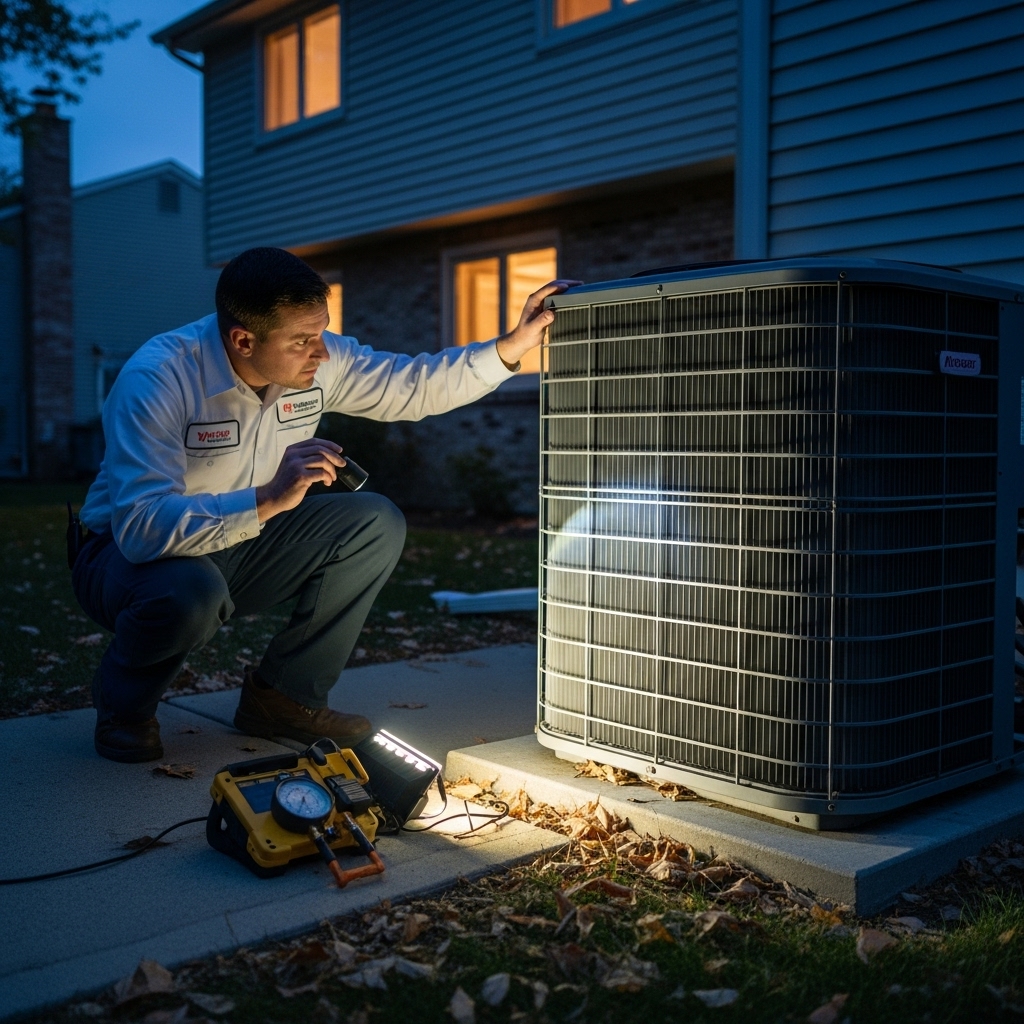
When your air conditioner fails during a Skokie heat wave, it’s more than an inconvenience—it’s a comfort and safety concern. High humidity, rising indoor temperatures, and sleepless nights can escalate quickly. Emergency air conditioning repair in Skokie, Illinois requires responsive service, accurate troubleshooting, and clear communication so you know what’s happening every step of the way. If you’re facing an urgent breakdown, many homeowners start with a trusted local team experienced in air conditioning repair to restore cooling as quickly and safely as possible.
Emergencies often strike at the worst time: late evening, weekends, or holidays. While some issues can wait until morning, others need immediate attention to prevent equipment damage or protect vulnerable family members. The best emergency providers prioritize safety, thorough diagnostics, and a calm, methodical approach that gets your system stable fast.
What Counts as an AC Emergency?
Not every malfunction is an emergency, but some situations do warrant urgent service. Consider calling for emergency help when:
- Indoor temperatures are dangerously high, especially for children, seniors, or people with health conditions.
- Your system trips breakers repeatedly, signaling an electrical fault.
- You smell burning or see smoke, which may indicate overheating components.
- Water is leaking in a way that could cause property damage.
- Your AC won’t start at all during extreme heat, and basic checks don’t resolve it.
Immediate Steps Before the Technician Arrives
While waiting for help, a few actions can protect your equipment and keep your home as comfortable as possible:
- Turn Off the System if You Smell Burning: Safety first. If the breaker tripped, don’t reset repeatedly.
- Check the Thermostat: Confirm cooling mode, temperature setting, and battery status.
- Inspect the Filter: A severely clogged filter can cause freezing and poor airflow.
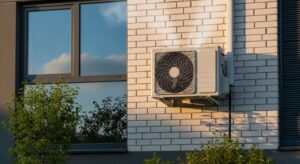
- Clear Space Around the Indoor and Outdoor Units: Ensure easy access and better airflow.
- Reduce Heat Gain: Close blinds, run ceiling fans counterclockwise, and limit oven use.
How Emergency Technicians Diagnose Under Pressure
Great emergency technicians balance speed with precision. They’ll verify symptoms, conduct a safety inspection, and prioritize tests that quickly isolate the cause. Expect checks of electrical components, capacitor health, motor operation, refrigerant pressures, temperature splits, and condensate drainage. The goal is to stabilize your system and prevent further damage, then outline next steps.
Common Emergency AC Problems in Skokie
- Failed Capacitors: Can stop compressors and fans from starting, often accompanied by humming.
- Frozen Evaporator Coils: Caused by airflow restrictions or refrigerant issues; thawing and resolving the root cause are essential.
- Clogged Condensate Lines: Lead to leaks and potential water damage.
- Thermostat Failures: Misread temperatures or lose communication with the system.
- Compressor or Fan Motor Issues: May require extensive diagnostics to prevent repeat failures.
Staying Comfortable During the Crisis
Keep interior doors open for better air circulation, use portable fans, and focus on occupied rooms. Hydrate, wear light clothing, and consider spending time in the coolest parts of your home. If humidity is high, a portable dehumidifier can offer temporary relief until the AC is back online.
Communication You Should Expect
Urgent situations can be stressful, so top providers communicate clearly. You should receive an honest assessment of the issue, what’s needed immediately, and what can wait. Technicians should show measurements and explain each step in straightforward terms. They’ll also review any safety concerns and confirm that your system is operating correctly before they leave.
Preventing the Next Emergency
Once the immediate crisis is resolved, the focus shifts to prevention. Seasonal maintenance is the best way to identify weakening parts and airflow issues before peak heat. During a tune-up, technicians clean coils, test capacitors, check refrigerant pressures, verify thermostat calibration, and inspect condensate systems. Documentation of readings over time helps catch trends before they lead to breakdowns.
Skokie-Specific Considerations
Skokie’s summer humidity and tree-lined streets create unique stressors. Condenser units often collect debris from nearby trees and shrubs, and dense urban layouts can limit airflow around outdoor equipment. Older homes may have ducts that restrict airflow, leading to overheating or freezing coils. Emergency teams familiar with local building styles can spot these patterns quickly.
What to Share with the Dispatcher
When you call for emergency repair, provide a concise summary to speed triage: what you hear, smell, or see; any recent maintenance; thermostat settings; and whether the breaker tripped. If water is leaking, describe where and how much. Accurate information helps the company send the right technician with the right parts.
Emergency Repair vs. Temporary Stabilization
Sometimes a temporary fix is the safest way to stabilize the system until a full repair can be completed. This might involve isolating a failing component, clearing a blocked drain, or adjusting airflow to reduce strain. A professional will explain why a temporary step is recommended and what the follow-up will include.
When Replacement Enters the Conversation
In some cases, especially with very old systems or catastrophic failures, replacement may be discussed. A trustworthy technician will explain the rationale without pressure, show data from tests, and outline the pros and cons. The immediate priority in an emergency remains restoring safe, stable cooling, with broader decisions handled thoughtfully after the crisis.
The Middle of the Night: What’s Different?
After-hours response focuses on safety and stabilization. Technicians may perform critical tests and repairs to get you comfortable, then schedule follow-up verification during normal hours if necessary. The best teams maintain quality standards 24/7, documenting findings thoroughly so nothing is missed when daylight returns. If you reach out to providers known for dependable air conditioning repair, you’ll benefit from consistent processes regardless of the time of day.
Frequently Asked Questions
- Can I run the fan if my AC isn’t cooling? In some cases, yes—the fan can help move air and thaw coils. If you smell burning or hear unusual noises, turn everything off.
- Why does my system trip the breaker? Electrical faults, shorted components, or motors drawing excessive current are common causes.
- How long does an emergency visit take? It varies by issue, but expect a thorough safety check and focused diagnostics to stabilize the system.
- What if the issue returns? Ask the company about follow-up procedures and what to monitor; good providers stand behind their work.
- Do I need to be home? Ideally, yes—technicians may need access to thermostats, indoor units, and electrical panels.
- Will high humidity damage my home during an outage? Prolonged humidity can affect materials; use fans and dehumidifiers as a temporary measure.
- How can I prepare for future emergencies? Schedule seasonal maintenance, replace filters regularly, and keep the outdoor unit clear.
- Can duct issues cause emergency failures? Absolutely—restricted airflow can trigger freezing or overheating conditions.
Skokie Homeowner Checklist for Emergency Preparedness
- Keep a clean, correctly sized filter on hand.
- Know where your electrical panel and AC breakers are located.
- Maintain clear access to indoor and outdoor units.
- Record the model and serial numbers of your equipment for quick reference.
- Document recent maintenance and any recurring symptoms.
After the Emergency: Performance Verification
Once repairs are complete, ask for before-and-after readings: temperature split, refrigerant pressures, and amperage. These data points confirm that your system is back in its normal operating range. A quick review of airflow and thermostat calibration helps ensure comfort and efficiency as your home cools down.
Peace of Mind Through Proactive Care
Emergencies are stressful, but they also highlight the value of preventive care. A relationship with a responsive, well-trained team means faster help when you need it most and fewer surprises during peak heat. Documented maintenance, clear communication, and a focus on root causes create reliable comfort throughout Skokie’s summer season.
Restore Comfort Fast in Skokie
If your AC has failed and you need urgent help, choose a local expert known for rapid response and methodical diagnostics. With clear communication and proven processes, they’ll stabilize your system and guide you through next steps. For emergency readiness and dependable air conditioning repair, connect with a trusted Skokie provider and get cool air flowing again today.