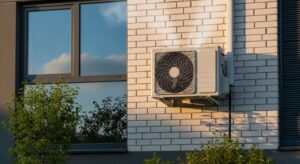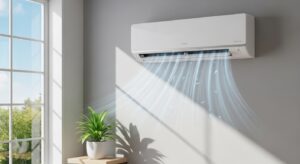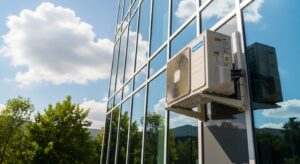
Comfort in a commercial space is not just a luxury—it is essential for productivity, customer satisfaction, and equipment protection. From offices and retail stores to restaurants and medical suites, reliable cooling sustains operations and protects revenue. When your building in Skokie, Illinois, needs attention, you want a partner that understands commercial systems, tenant expectations, and the need to minimize disruption. With the right plan and expertise in air conditioning repair, your business can remain cool, efficient, and compliant with local guidelines.
Commercial Systems Demand Specialized Knowledge
Commercial HVAC often differs from residential in capacity, configuration, and controls. Rooftop units, split systems with larger air handlers, and variable refrigerant flow setups require precise diagnostics and safe roof access. Many buildings use centralized controls or building automation that coordinate multiple zones. A qualified commercial technician interprets trend data, staging behavior, and ventilation requirements to solve problems without compromising the rest of the system.
Common Issues in Business Environments
- Uneven Cooling Across Zones: Often caused by control issues, damper faults, or airflow imbalances.
- Short Cycling During Peak Hours: Can indicate dirty coils, poor condenser airflow, or electrical components nearing failure.
- Water Near Ceiling Tiles or Air Handlers: Usually a clogged condensate drain or pan overflow that risks interior damage.
- Loud Operation: Vibration from roof units or loose panels that affect occupant comfort and perception.
- Odors and Stale Air: Insufficient ventilation or dirty coils and filters.
Because commercial spaces serve employees and customers, rapid response and thorough coordination are vital. The best providers offer clear arrival windows, safety protocols, and a communication plan to keep managers informed while technicians work discreetly.
Reducing Downtime with Smart Triage
When a unit stops cooling, a commercial team begins with remote or on-site triage: reviewing control histories, verifying power, and checking alarms. They prioritize critical zones first—server rooms, customer-facing areas, and high-occupancy spaces—then stabilize temperatures across the building. Many problems are resolved with targeted repairs such as replacing a failed capacitor, clearing a drain, or adjusting fan speeds. For complex systems, the team coordinates any rooftop access and ensures safe work zones to comply with property rules.
Maintenance Strategies That Pay Off
- Seasonal Coil Cleaning: Keeps heat exchange efficient and reduces compressor strain.
- Filter Management Plan: Ensures the right MERV rating for air quality without choking airflow.
- Drain Line Inspections: Prevents water damage and mold inside ceilings and mechanical rooms.
- Controls Review: Confirms that schedules and setpoints reflect current occupancy and tenant needs.
- Belt and Bearing Checks: Reduces vibration and noise while extending motor life.
Documented maintenance supports warranty claims and provides a baseline for future diagnostics. It also helps justify capital planning decisions with real data on performance and wear.
Energy and Comfort Go Hand in Hand
Commercial operators often balance energy budgets against comfort expectations. Proper airflow, clean coils, and accurate sensors reduce energy spikes and keep temperatures consistent. Occupants are more comfortable, which decreases complaints and improves productivity. A targeted mid-season tune keeps things steady during long stretches of heat and humidity.
Coordinating with Tenants and Staff
Respectful communication keeps everyone on the same page. Provide managers with a clear timeline, any temporary temperature impacts, and what to expect from rooftop or ladder access. After repair, share a summary that includes findings, corrective actions, and follow-up recommendations. This builds confidence that the issue was fixed and helps prevent repeat calls.
When to Consider Replacement
Frequent breakdowns, rising energy use, and parts scarcity can signal the right time to plan a replacement. Staged upgrades—starting with the most critical units—spread costs and reduce risk. An experienced provider can evaluate lifecycle costs, occupant comfort needs, and anticipated growth to recommend equipment that fits your building’s future.
Frequently Asked Questions
Q: How quickly can a commercial technician respond in Skokie? A: Many providers offer priority service for businesses, with same-day triage and rapid on-site visits based on urgency.
Q: Will repairs disrupt my tenants or customers? A: Technicians work to minimize noise and interruptions, scheduling during off-hours when possible and communicating clearly about any short-term impacts.
Q: Do you service rooftop units? A: Yes. Commercial teams are trained for safe roof access, equipment handling, and weather considerations.
Q: Can you integrate with our building automation system? A: Skilled technicians can review trend logs, alarms, and schedules to optimize performance after repairs.
Q: How can I prevent water leaks from damaging interiors? A: Regular drain maintenance and float switch testing catch problems before they cause ceiling or wall damage.
Keep Your Business Cool and Confident
Protect your people, products, and peace of mind with a commercial partner that responds quickly and solves problems efficiently. From discrete diagnostics to thorough follow-through, the right team keeps your building comfortable and your operations running smoothly. For responsive scheduling and professional results, book expert air conditioning repair in Skokie, Illinois, and focus on what matters most—serving your customers.