Choosing the Right Air Conditioning Repair Near You in Illinois
Finding the right partner to keep your home cool in the variable Illinois climate can feel like a high-stakes decision. Summers bring heat and humidity, storms can roll through with little warning, and older housing stock often hides quirks that challenge even seasoned technicians. Choosing wisely means more than scrolling a map for the nearest van; it means selecting a team that communicates clearly, respects your time, understands regional building codes, and treats your system as a long-term investment rather than just today’s visit.
If you are starting your search, anchoring your research around experienced providers of air conditioning repair can help you focus on companies that make cooling performance, safety, and reliability their first priorities. The right choice blends technical expertise with responsive service, so your AC can handle July peaks, August humidity, and surprise spring heat waves without drama.
In this guide, you will learn what “near you” really means, how to evaluate credentials, what to ask on your first call, and how to recognize a service philosophy that aligns with your home and family. Whether you live in a vintage Chicago two-flat, a suburban ranch, or a newer downstate build, the fundamentals of choosing an excellent repair partner remain the same.
What “Near You” Really Means in Illinois
Nearness is more than a street address or a dot on a map. In practice, “near you” should translate into fast dispatch options, familiarity with your municipality’s regulations, and well-stocked vehicles that reduce repeat visits. A nearby company that knows your neighborhood also knows the common equipment installed there, the parking realities on your block, and local utility incentives that may affect your decisions. Ask how they structure routes during heat waves, and whether they prioritize existing customers when demand spikes.
Response time is also a function of staffing and scheduling discipline. A reputable team will explain the window for arrival, confirm by text or phone, and update you proactively if something changes. Proximity is only an advantage if it brings predictable communication and timely help right to your door.
Licensing, Insurance, and Compliance
Illinois municipalities maintain their own rules on permits and mechanical work. An excellent contractor embraces compliance as part of the service, not a burden handed off to you. Confirm that the company holds appropriate state and local licensing, carries current liability and workers’ compensation insurance, and pulls permits when the scope calls for it. These safeguards protect you, your home, and the technicians who do the work.
Good teams also document their process. Expect a written diagnosis, a clear explanation of what failed and why, and repair options that specify parts and labor. Clarity helps you make decisions confidently and keeps future technicians from guessing at past work.
Experience With Illinois Homes and Systems
Illinois homes span multiple eras of design and construction materials. Brick exteriors, finished basements, tight attics, and mixed-age ductwork all influence airflow and serviceability. A knowledgeable technician recognizes how these variables affect refrigerant charge, static pressure, and capacity. Ask whether the team has worked on your brand and model, and whether they carry common replacement parts for it. Familiarity reduces time on site and helps you avoid repeat disruptions.
Beyond brand knowledge, look for technicians who think like diagnosticians. They should trace symptoms to root causes rather than swapping parts until something works. That disciplined approach leads to durable fixes and fewer surprises during the next heat wave.
How a Thorough Diagnosis Should Look
Quality repair begins long before a wrench turns. A proper diagnostic visit typically includes visual inspection, electrical testing, airflow measurements, and refrigerant evaluation. The technician should ask about recent performance, noises, utility bills, and thermostat settings. They will also verify basics that get overlooked under stress, such as filter condition, condenser cleanliness, and condensate drainage.
Effective communicators narrate as they go. They will explain why a measurement matters, what a reading means, and how evidence supports the recommended fix. By the end of the visit, you should understand what happened, what will be done, and how to prevent a repeat issue.
Service Philosophy and Customer Care
The best companies deliver consistent experiences, not heroics. Look for teams that schedule realistically, arrive prepared, and respect your home with shoe covers and drop cloths. Ask how they handle after-hours calls, weekend surges, and follow-up checks. Companies with strong service culture invest in technician training, stay current with refrigerant regulations, and keep a parts inventory tailored to the systems they service most.
Customer care also means transparency. Expect a written scope of work, timeline expectations, and a simple way to approve the plan. You should never feel pressured. Instead, you should feel informed and in control of the decision.
Comparing Options the Smart Way
Comparison should go deeper than a single attribute. Consider technician expertise, warranty terms, parts availability, safety practices, and communication style. When companies appear similar, ask for examples of recent repairs on equipment like yours and how they handled unexpected findings. Real-world stories reveal habits and values.
As you compare, remember that Illinois summers put sustained stress on equipment. A team that prioritizes proactive maintenance planning alongside repairs will help you avoid repeat breakdowns. If upkeep has been deferred, see whether they can stage work to catch up responsibly. Mid-season resilience matters as much as the immediate fix, and a provider experienced in air conditioning repair will frame your choices with long-term reliability in mind.
Red Flags to Avoid
Beware of vague diagnoses, reluctance to test, or pressure to replace large components without evidence. Be cautious when a technician dismisses airflow problems or duct leakage as “normal” without measuring. Watch for companies that cannot confirm licensing or insurance, or that balk at documenting the work performed. Finally, be wary of promises that ignore lead times for specialty parts; honesty about logistics is a mark of professionalism, not weakness.
Questions to Ask on the First Call
- Do you service my city or neighborhood regularly, and how do you prioritize calls during heat waves?
- Are your technicians certified to work on my equipment brand and refrigerant type?
- What does your diagnostic process include, and how will findings be documented?
- If parts are needed, how do you manage availability and scheduling for follow-up?
- What kind of workmanship and parts warranties do you provide on repairs?
- How do you handle safety, cleanliness, and communication while on site?
Preparing for the Technician’s Arrival
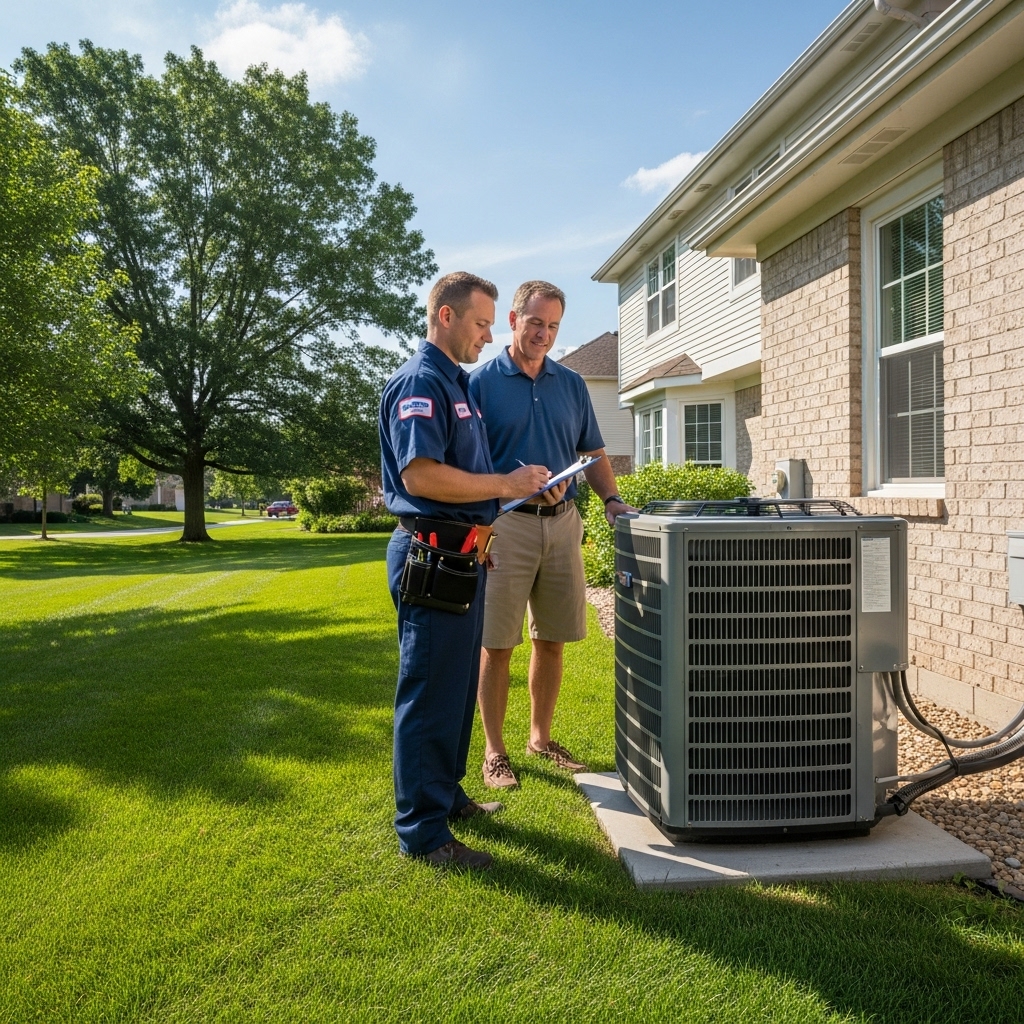
Before the visit, clear space around the indoor air handler and the outdoor condenser. Ensure the thermostat is accessible and that pets are secured. If you have seen error codes, taken photos, or noticed unusual patterns like tripping breakers or water near the furnace, have that information ready. A concise history helps the technician work efficiently and narrows the diagnostic path.
During the visit, feel free to ask questions. A good professional will welcome them and explain each step. After the visit, keep the report with your home records to help future work proceed faster and more accurately.
Balancing Repair With Maintenance
Even the best repair will not overcome chronic neglect. Pair urgent fixes with a plan for filter changes, coil cleaning, drain line care, and airflow checks. If you have recently added insulation, replaced windows, or renovated, ask the technician to reassess system sizing and duct balance. Homes evolve, and the HVAC system must adapt to continue delivering comfort without strain.
A thoughtful contractor will suggest maintenance that aligns with your home’s usage. They may recommend seasonal checks, reminders for filter changes, or guidance on thermostat programming that eases runtime without sacrificing comfort.
Energy, Comfort, and Indoor Air Quality
Comfort is more than a temperature setting. In humid Illinois summers, dehumidification and airflow matter as much as cooling capacity. Ask your technician to evaluate blower speed, coil condition, and return air paths that influence moisture control. If you experience warm rooms or persistent clamminess, airflow balancing or duct improvements may be part of the solution. Addressing the system holistically makes each repair more effective and your home more comfortable.
Indoor air quality also benefits from attentive repair. Sealed panels, clean coils, and properly sloped drain lines reduce microbial growth. A system that is tuned to manufacturer specifications generally runs cleaner and more quietly.
Why Local Knowledge Matters
Illinois weather can swing quickly, and building stock varies block by block. Local technicians learn patterns: tree fluff clogging condensers in late spring, basements that collect humidity after heavy rain, or roof-mounted units that need special care in high wind. This practical experience shapes better recommendations and faster problem-solving when every degree counts.
Local knowledge also extends to coordination with utilities and inspectors. When a repair touches electrical panels or requires a permit, a company accustomed to your city’s process will keep things moving with minimal disruption.
Sustainable Choices During Repair
Repair days are decision days. When a component fails, you can often choose between minimally restoring function or taking an extra step that improves efficiency and longevity. Examples include replacing a weak contactor before it strands you, cleaning a fouled evaporator coil, or correcting duct restrictions near the air handler. Small decisions compound; what you approve today sets up quieter operation, smoother cycling, and fewer emergency calls tomorrow.
If your system uses a refrigerant that is being phased down, ask about compatibility and best practices for leak detection and charging. Environmental responsibility and performance can go hand in hand when the work is done carefully.
Homeowner Tips Between Visits
- Change filters on schedule based on filter type and household conditions.
- Keep the outdoor condenser clear of vegetation, lint, and debris by at least a couple of feet on all sides.
- Check that supply and return vents remain open and unobstructed by furniture or rugs.
- Listen for new noises after a repair and report them quickly; early attention prevents bigger issues.
- Verify that the thermostat is level (if applicable), firmly mounted, and programmed to your schedule.
Frequently Asked Questions
Q: How fast should a nearby company be able to come out during peak summer? A: Response times vary with demand, but well-organized teams communicate clearly, offer realistic windows, and provide updates if delays occur. Established customers often receive priority during extreme weather.
Q: What should I do if the system fails overnight? A: First, check the thermostat settings, breaker, filter, and that the outdoor switch is on. If the system still will not run, call for service and ask about after-hours options. Avoid repeatedly resetting breakers to prevent electrical damage.
Q: Will a larger system solve my hot-room problems? A: Not necessarily. Hot or cold spots often trace back to duct design, airflow balance, or insulation. A good technician diagnoses the root cause before suggesting capacity changes.
Q: How can I tell if a recommendation is necessary or optional? A: Ask the technician to separate safety issues, failure-prevention steps, and performance upgrades. Clear categorization helps you decide what to do now and what to plan for later.
Q: Do I need a permit for repair work? A: Many repairs do not require permits, but some electrical and refrigerant-related tasks may. Your contractor should know the rules for your municipality and advise accordingly.
Putting It All Together
Choosing the right repair partner is about trust built on competence, communication, and care for your home. When you find a team that documents well, diagnoses thoroughly, and plans for both today’s fix and tomorrow’s reliability, keep them close. Good service relationships pay you back every summer with fewer surprises and steadier comfort.
Schedule Reliable Help Today
When you are ready to bring dependable help to your doorstep, choose a nearby partner who knows Illinois homes, explains options clearly, and stands behind the work. Start by contacting a company that leads with proven air conditioning repair expertise, prompt communication, and a focus on long-term comfort. Get your cooling system tuned to the demands of the season so your home stays comfortable, efficient, and worry-free all summer long.