A quiet, efficient air conditioner is one of the best defenses against Skokie’s muggy summer afternoons and warm, still nights. Residential systems are remarkably dependable when they receive a little regular attention, and the payoff is tangible: fewer breakdowns, steadier temperatures, cleaner indoor air, and lower energy use. This guide gives Skokie homeowners a complete, practical approach to keeping cooling equipment in shape—from quick monthly routines to seasonal deep-cleaning and professional checkups. With consistent air conditioning maintenance, your home stays comfortable through every heat wave.
Unlike a one-time tune-up, an ongoing plan builds resilience. You’ll learn exactly what to do outside at the condenser, what to check inside at the air handler, how to protect your home from condensate mishaps, and how to tune the thermostat for comfort without spiking energy use. The sections below walk you through the how and why behind each task, giving you the confidence to act before small issues become major repairs.
Understanding Your System: The Basics
Most Skokie homes use a split-system central AC paired with a gas furnace. The outdoor condenser releases heat, the indoor evaporator coil absorbs heat, and the blower moves air through your ducts. Thermostats control cycling and fan speed on many modern systems. Every part depends on airflow and cleanliness, which makes maintenance straightforward and effective.
- Condenser: Houses the compressor and a fan that pulls air through coil fins to expel heat.
- Evaporator coil: Sits on top of the furnace in many homes and absorbs heat as refrigerant evaporates.
- Blower: Circulates air through the home and across the evaporator coil.
- Thermostat: Signals the system to cool based on your setpoint and schedule.
Monthly Must-Do: Filter Management
The simplest task is also the most impactful. A fresh filter keeps airflow strong, protects the coil from dust, and helps maintain healthy indoor air. In summer, especially with pets or allergy concerns, check monthly.
- Identify your filter size and recommended MERV rating. Keep a spare available.
- Replace when the media looks dirty or you can’t see light through it.
- Write the date on the filter frame so you know when it was installed.
Outdoor Care: Keep the Condenser Breathing
Outdoor coils collect the worst of spring pollen and cottonwood fluff. If airflow is blocked, the system runs longer, gets louder, and cools less effectively.
- Maintain a 2–3 foot clear zone around the unit. Trim bushes and keep mulch low.
- Shut off power and gently rinse the coil from inside to outside with a garden hose. Use AC-safe cleaner as needed.
- Check that the unit sits level. Shim the pad if frost heave has tilted it.
- Inspect fan blades for grime and balance. Wipe clean with a damp cloth.
- Ensure the larger refrigerant line has intact insulation to prevent energy loss.
Indoor Care: Blower, Coil, and Condensate
Inside the home, dust and moisture are the main concerns. Tackle both and your system will cool more quietly with fewer surprises.
- Turn off power and open the blower compartment. Vacuum dust with a soft brush to protect the blower wheel.
- Visually check the evaporator coil with a flashlight. If it’s matted or slimy, schedule professional cleaning.
- Clean the primary condensate pan and flush the drain line with vinegar to keep algae away.
- If a condensate pump is present, add water and confirm a smooth cycle. Replace the pump if it chatters, overheats, or fails to discharge.
- Test the float switch in the secondary pan if installed; this safety shuts the system off when the drain clogs.
Ducts and Vents: Airflow Matters
Unobstructed ducts and registers allow every room to share in the cooling. You may be surprised how much difference a few small adjustments can make.
- Open all supply registers and return grilles fully and keep furniture clear.
- Vacuum registers and grilles to remove dust buildup.
- Seal accessible duct leaks with mastic or foil tape—never cloth duct tape. Insulate exposed runs in basements or crawl spaces.
Thermostat and Comfort Strategy
Good settings reduce runtime while keeping the house comfortable. Smart thermostats can help, but any model benefits from thoughtful schedules.
- Set gradual setbacks to avoid long recovery times in humid weather.
- Use “Auto” for typical operation; use “On” sparingly to mix air when needed.
- Enable geofencing or occupancy features on smart thermostats to save energy automatically.
Performance Check: Verify Results
After cleaning and setup, confirm that your system is cooling as expected. A quick performance check helps you spot issues early.
- Run the system for 15–20 minutes and measure return and supply temperatures. A 15–20°F difference is typical.
- Listen for unusual noises—buzzing, grinding, or rattles—which hint at electrical or mechanical wear.
- Watch the condensate line for steady flow and look for leaks around the furnace.
- Check for ice on the suction line or coil; icing points to airflow restrictions or refrigerant problems.
Skokie Weather Tips
Local patterns shape maintenance priorities. Anticipate them and you’ll avoid most mid-season surprises.
- During cottonwood season, check outdoor coils weekly and rinse as needed.
- After thunderstorms, clear debris and confirm the condenser is level and unobstructed.
- On extra-humid days, ensure the drain flows freely and consider using ceiling fans to boost comfort without lowering the setpoint dramatically.
Energy and IAQ Upgrades
Small improvements pay dividends in comfort and efficiency.
- Seal air leaks around the coil case and return plenum to prevent bypass air.
- Upgrade to enhanced filtration your system can handle without excessive pressure drop.
- Add attic insulation and weatherstripping to reduce heat gain, shortening cooling cycles.
- Use room fans to improve mixing and allow slightly higher thermostat settings.
When to Call a Professional
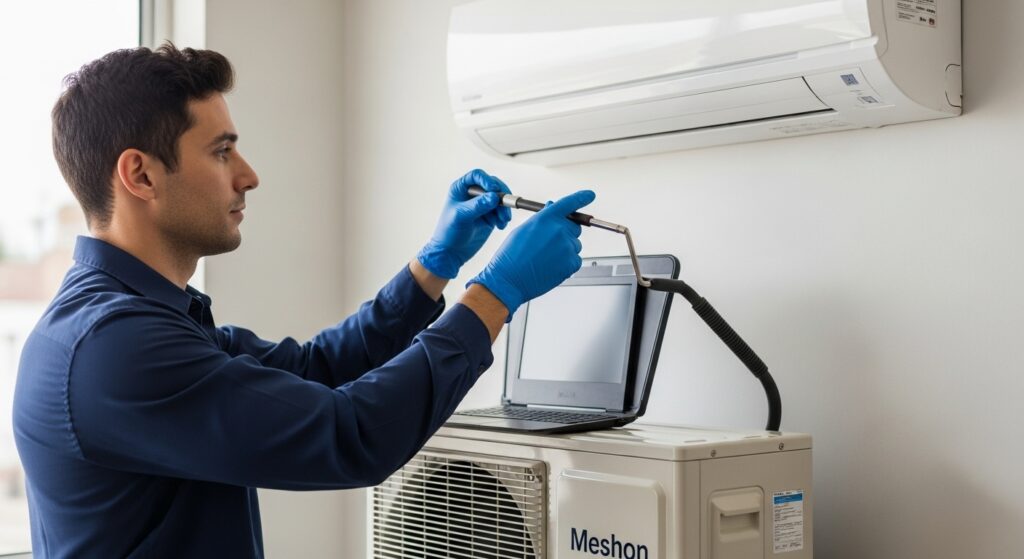
Some tasks require specialized tools and training. A licensed technician can verify refrigerant charge, static pressure, and electrical health, and perform deep coil cleaning. Scheduling professional air conditioning maintenance each spring complements your DIY routine and keeps your system aligned with manufacturer specifications.
Common Troubles and Quick Responses
Early action can turn a potential breakdown into a simple fix.
- System won’t start: Check the breaker, outdoor disconnect, and thermostat batteries. If the contactor clicks but the fan doesn’t spin, shut off power and call a pro.
- Warm air from vents: Verify the thermostat mode, filter condition, and that the outdoor unit is running. If not, schedule service.
- Ice on lines: Shut the system off to thaw, replace the filter, and call if ice returns.
- Musty smells: Clean the condensate pan and line. Persistent odors may require coil cleaning or IAQ enhancements.
Seasonal Routine for Homeowners
Use this simple seasonal outline to keep your home ready for heat.
- Spring: Replace filter, rinse outdoor coil, flush drain, test pump and float switch, verify thermostat schedules, and level the condenser pad.
- Summer: Monitor temperature split, re-check coil cleanliness during pollen bursts, and confirm steady condensate flow.
- Late Summer: Address uneven room temperatures with duct sealing or balancing. Evaluate insulation and shading options.
- Fall: Final coil rinse, yard cleanup around the condenser, and install a breathable top cover for winter protection.
Frequently Asked Questions
Q: How often should I change the filter in summer? A: Check monthly and replace every 30–60 days, more often with pets or allergies.
Q: Is it safe to hose off the outdoor unit? A: Yes, with gentle pressure and the power turned off. Rinse from inside to outside to push debris out of the fins.
Q: What temperature difference should I see at vents? A: Typically 15–20°F between return and supply air after steady operation.
Q: Do I need a professional every year? A: Annual service is recommended to verify charge, airflow, and electrical health and to perform deep cleaning if needed.
Q: Why does my system short cycle? A: Causes include thermostat placement, electrical issues, or incorrect charge. Start with filter and coil cleanliness, then call for diagnostics if it persists.
Q: Can improved filtration hurt my system? A: If the filter is too restrictive, yes. Choose a filter your blower can handle without excessive static pressure.
Enjoy a Cooler, Calmer Summer
With a practical plan and a few monthly habits, your Skokie home can stay comfortably cool even when humidity soars. For deeper diagnostics, airflow balancing, and coil cleaning that fine-tunes performance, schedule professional air conditioning maintenance and head into summer with confidence.