Why Preventive Care Matters for Skokie Homes
Skokie summers bring muggy afternoons, sudden thunderstorms, and stretches of heat that can push your cooling system to its limit. A well-tuned air conditioner doesn’t just cool better; it runs quieter, uses less energy, and lasts longer. Whether you’re a seasoned DIYer or just getting started, this guide walks you through the essential steps to maintain your system safely and effectively. If you decide you want a professional to handle the more technical checks after you complete the basics, you can always explore trusted air conditioning maintenance to keep everything on schedule.
Before you begin, remember that maintenance is part cleanliness, part inspection, and part performance tuning. Outdoor conditions in northern Illinois—pollen in spring, cottonwood fluff in early summer, and road dust—can load up your outdoor coil. Inside, pet hair and fine dust accumulate on filters, blower fins, and return grilles. The steps below focus on airflow, condensation control, system safety, and seasonal tune-ups that fit Skokie’s climate.
Safety First: Power, Panels, and Personal Protection
Always cut power to the condenser (outdoor unit) at the service disconnect and switch off the furnace/air handler breaker before you remove any panels. Allow the system to rest for a few minutes so pressure equalizes. Wear gloves and protective eyewear if you plan to handle coil cleaner or reach inside tight spaces. Never open the sealed refrigerant circuit or electrical contactor housing if you are not trained; there are vital checks you can perform without touching those components.
Replace or Upgrade Your Filter
Start indoors. A clean filter protects the blower and evaporator coil and stabilizes airflow. In Skokie, filters often load faster in late spring when trees release fluff and in mid-summer with high-traffic dust. Choose a filter with the MERV rating your equipment can handle—many residential systems operate best with MERV 8–11. Slide out the old filter, note the airflow arrows, and install the new one. Mark the date and set a reminder to recheck in 30–45 days during peak cooling. If anyone at home has allergies, more frequent checks help keep indoor air healthier.
Clear and Clean the Outdoor Unit
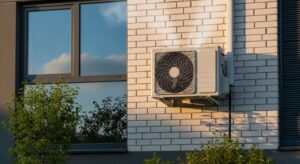
The condenser needs ample breathing room. Trim vegetation so there’s 2–3 feet of clearance around the unit and 5 feet above it. Shut off power at the disconnect. Remove leaves, twigs, and debris from the cabinet top and base. Use a soft brush or a vacuum with a brush attachment to sweep dirt from the coil fins from top to bottom. If the fins are matted with grime or cottonwood, gently rinse with a garden hose from the inside out—never use a pressure washer, which can crush fins. If fins are bent, a fin comb can straighten them for better airflow.
Wash the Coil Correctly
For stubborn buildup, use a coil cleaner meant for condensers. Follow label directions, apply evenly, and rinse thoroughly. Avoid saturating the fan motor or electrical box. When you see water run clear, you’ve removed most embedded dirt. Allow the unit to dry before restoring power. A clean coil can lower head pressure, helping your compressor run cooler and more efficiently—ideal during humid Skokie heat waves.
Inspect the Condensate Drain and Pan
Back inside, locate the evaporator coil cabinet and drain pan (typically above the furnace in a basement or utility closet). With the system off, inspect the pan for standing water, rust, or slime. Clear the drain line by slowly pouring a cup of warm water followed by a cup of white vinegar into the access tee. If there’s a cleanout, remove the cap and verify the line is clear. A clogged drain can lead to water damage or mold growth—issues that often surface during long, humid stretches in July and August.
Check Supply and Return Airflow
Walk room to room to ensure every supply register is open and unblocked by rugs, furniture, or drapes. Verify returns are clear and dust-free. Use a vacuum with a brush to clean grilles. Balanced airflow keeps your evaporator coil from freezing and reduces temperature swings between floors—a common challenge in two-story Skokie homes built with smaller return pathways.
Thermostat and Operating Modes
Confirm that your thermostat is level (for older mercury models), has fresh batteries if applicable, and is set to Cool with the fan on Auto. Consider using a schedule that raises the temperature slightly when you’re away and drops it before you return. Avoid drastic setbacks in humid weather; large swings can extend runtime and increase indoor humidity, making your home feel warmer than the set temperature suggests.
Blower Compartment Inspection
Turn off power to the air handler and remove the blower door. Visually inspect the blower wheel for dust buildup and check for loose wiring harnesses (do not alter connections). If the wheel is dirty, a professional cleaning can restore efficiency and reduce noise. Ensure the blower door safety switch is intact and that the insulation inside the cabinet is secure. Reinstall the door carefully so the switch engages properly.
Evaluate Ductwork and Attic/Basement Conditions
Inspect accessible ducts for gaps, kinks, or crushed sections. Seal small leaks with mastic or UL-181 foil tape (not standard cloth duct tape). Pay attention to connections near the air handler and at branch takeoffs. In older Skokie homes with mixed additions, ducts may run through unconditioned spaces. Adding insulation around exposed ducts can reduce heat gain and keep supply temperatures cooler.
Start-Up Checklist and Baseline Readings
After cleaning and inspections, restore power. Set the thermostat to Cool and allow the system to run for at least 15 minutes. Place a simple thermometer at a supply register and another at the return. A typical temperature drop across the coil is roughly 14–22°F under normal indoor humidity. If the drop is much lower, airflow could be restricted; if it’s much higher along with weak airflow, icing may be forming. Listen for odd noises: rattles indicate loose panels; high-pitched whines can suggest bearing wear; clicking at the condenser could be a contactor issue.
Midseason Tune-Up Reminders for Skokie’s Climate
Skokie can swing from cool mornings to steamy afternoons. Consider a midseason filter check and a quick rinse of the outdoor coil, especially after a pollen burst or a storm that scatters debris. If you notice persistent humidity indoors, run bathroom and kitchen exhaust fans during and after activities that add moisture. You can also use a smart thermostat to manage comfort more precisely. If you reach a point where DIY steps aren’t improving performance, midyear professional air conditioning maintenance can catch developing issues early and keep your system tuned for the second half of summer.
Common Mistakes to Avoid
- Neglecting the filter, leading to coil icing and higher energy use.
- Blocking return grilles with furniture or drapes.
- Washing the outdoor coil with a pressure washer and crushing fins.
- Closing too many supply registers, which raises static pressure and strains the blower.
- Ignoring a slow condensate drain until it overflows.
- Overusing deep thermostat setbacks during humid spells.
When to Call a Professional
Some symptoms indicate the need for certified help: repeated breaker trips, visible icing on the refrigerant line, hissing or bubbling sounds near the indoor coil, short cycling (the system turns on and off in minutes), or a burning smell. A pro can measure refrigerant pressures, superheat/subcooling, blower static pressure, and electrical draw—tests that go beyond safe DIY work. If your system is older or has needed frequent refills, you may also want a leak check and a discussion about long-term reliability.
Frequently Asked Questions
Q: How often should I change my filter in Skokie?
A: During cooling season, check monthly and replace every 1–2 months depending on dust, pets, and allergies. After heavy pollen periods, inspect sooner.
Q: Is it okay to hose off the outdoor unit?
A: Yes, with gentle water pressure from the inside out and power disconnected. Avoid spraying the fan motor or electrical components directly.
Q: What temperature should I expect at the vents?
A: After 15 minutes of operation, supply air is commonly 14–22°F cooler than the return air, assuming normal humidity and airflow.
Q: Why does my AC run but not cool well on humid days?
A: High humidity increases the latent load. Ensure the filter is clean, the coil is clear, and the fan is on Auto so the coil can dehumidify effectively.
Q: My upstairs is hotter than downstairs—what helps?
A: Keep upstairs returns clear, ensure supplies are open, check attic insulation, and consider minor duct balancing. A professional can assess static pressure and airflow distribution.
Q: How do I know if the drain line is clogged?
A: Look for standing water in the pan, water around the furnace, or float switch shutdowns. Clearing the line with warm water and vinegar often restores flow.
Q: Does maintenance really reduce breakdowns?
A: Yes. Clean coils, correct airflow, and inspected electrical connections keep operating temperatures and amperage within design limits, reducing wear on key parts.
Q: Can I use a higher MERV filter for allergies?
A: You can if your system can handle the added resistance. When in doubt, ask a professional to measure static pressure and recommend options.
Get Your System Ready for the Next Heat Wave
If you’ve completed the steps above and want added peace of mind before the next hot spell, schedule expert care. You’ll benefit from calibrated measurements, deep cleaning where needed, and performance tuning designed for our local climate. Book dependable air conditioning maintenance today and enjoy steadier comfort all summer long.