Lower Your Cooling Bills in Skokie with Smart Maintenance
When heat and humidity arrive in Skokie, energy bills can climb fast—especially if your air conditioner is fighting clogged filters, dirty coils, or poor airflow. The good news is that targeted maintenance and a few habit changes can trim costs without sacrificing comfort. This guide focuses on practical, homeowner-friendly steps that protect efficiency, improve airflow, and reduce run time. If you prefer to coordinate with a professional, start by reviewing what thorough air conditioning maintenance should cover so your visit produces measurable savings.
Lowering bills isn’t just about a single task; it’s the cumulative effect of many small improvements. From sealing duct leaks to optimizing thermostat schedules, each action reduces the workload on your system. Skokie’s mix of older and newer housing means you may face unique challenges—basement moisture, west-facing windows, or attic bypasses that dump heat into living spaces. The sections below help you prioritize the biggest wins first.
Filter Strategy: Fastest Path to Savings
A clogged filter is like breathing through a scarf. Your AC must run longer to deliver the same cooling, driving up energy use. Check filters monthly in summer and replace or wash as needed. Choose a quality pleated filter with an appropriate MERV rating for your home—high enough to capture pollen but not so restrictive that airflow suffers. Keep spares on hand so you never delay a change. Label the frame with the date you installed it and note the size so restocking is effortless.
Thermostat Tactics that Work
Use a programmable or smart thermostat to align cooling with your routine. Create a comfortable daytime setpoint and allow modest setbacks when you’re out. Enable adaptive recovery so the system ramps up gradually rather than blasting at the last minute. Avoid chasing the thermostat—frequent manual changes can lead to inefficient short cycles. Place the thermostat away from lamps, electronics, and direct sun so it reads room temperatures accurately and doesn’t overcool.
Airflow, Ducts, and Balancing
Even the most efficient equipment wastes energy if air can’t circulate freely. Keep returns and supplies unblocked. Vacuum the first few inches of duct behind registers to remove dust that restricts flow. Feel for leaks around the plenum and major joints; seal small gaps with foil-backed HVAC tape and mastic. In Skokie homes with finished basements, look for flex duct turns that are too tight and gently relieve sharp bends. Balance rooms by adjusting dampers rather than closing supply registers entirely, which can raise static pressure and reduce efficiency.
Outdoor Unit Care for Cooler, Cheaper Operation
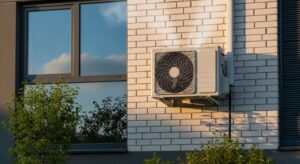
The condenser must exchange heat with outdoor air. Cottonwood fluff, lawn clippings, and maple seeds clog fins, raising head pressure and electricity use. With power off, remove the top fan and rinse the coil from the inside out with a gentle stream a few times each season. Maintain clear space around and above the unit. Replace cracked insulation on the refrigerant suction line so the system carries heat efficiently. Level the condenser pad if frost heave has tilted it; a level unit reduces strain on the compressor.
Moisture Management and Comfort
High humidity makes you feel warmer, prompting lower setpoints and longer run times. Attack moisture at the source. Use bathroom and kitchen exhaust fans, fix dripping faucets, and keep basement dehumidifiers in good working order. Seal around attic hatches and plumbing penetrations to limit humid air infiltration. If your home still feels clammy, ask a pro to evaluate airflow across the evaporator coil and confirm proper blower speed settings.
Windows, Shade, and Heat Gain
Afternoon sun on west-facing windows can force longer cooling cycles. Use reflective shades, close blinds during peak hours, and add exterior shade where practical without blocking condenser airflow. Light-colored window coverings and insulated drapes reduce radiant heat. Landscaping that provides late-day shade can be powerful—but keep at least two to three feet of open space around the outdoor unit.
Smart Scheduling for Daily Routines
- Pre-cool mildly before peak afternoon heat rather than dropping the setpoint suddenly.
- Schedule laundry and oven use earlier or later in the day to reduce indoor heat load.
- Run ceiling fans to create a wind-chill effect so you can keep the thermostat a bit higher.
- Close doors to little-used rooms that lack return paths only if it doesn’t cause whistling or pressure issues.
Preventive Tasks with High ROI
- Clean the condenser coil gently each month during heavy debris periods.
- Vacuum return grilles and nearby ducts quarterly.
- Flush the condensate line to avoid water backups that can halt cooling.
- Inspect attic insulation and top off where needed to cut heat gain.
- Seal obvious duct leaks and repair damaged insulation on ducts in unconditioned spaces.
Diagnostics You Can Perform
Track a few simple metrics to verify that your efforts are paying off. Measure a temperature at a return grille and the nearest supply to feel a clear cooling difference. Time a complete cooling cycle: It should be steady, not constant short starts and stops. If your system runs much longer than usual on mild days, airflow or refrigerant issues could be at play. Keep a log of humidity readings using a simple hygrometer; target comfort without driving the setpoint too low.
Signs You’ll Benefit from Professional Help
If coils repeatedly frost over, breakers trip, or you hear grinding, buzzing, or clanking, call a qualified technician. Low refrigerant, failing capacitors, or restrictions in the metering device waste energy and shorten equipment life. A pro can measure static pressure, superheat, and subcooling and verify blower speeds. Ask for recommendations that improve efficiency without unnecessary upselling. When you’re ready to plan that visit, check what comprehensive air conditioning maintenance looks like so you can prioritize the highest-value tasks.
Behavioral Tweaks for Everyday Savings
- Cook outdoors on very hot days to avoid adding heat indoors.
- Use bathroom fans for 20 minutes after showers to exhaust steam.
- Keep interior doors open where possible to improve air circulation.
- Dust and vacuum regularly; accumulated dust ends up on coils and filters.
- Set a reminder on your phone to check filters monthly during summer.
Weatherproofing and Envelope Improvements
Air sealing is a silent hero of lower bills. Seal around window and door frames, attic penetrations, and electrical outlets on exterior walls. Add door sweeps where you feel drafts. Insulate attic access points and consider reflective barriers if your attic suffers intense solar gain. These envelope improvements reduce the cooling load so your AC cycles less often while maintaining comfort.
Frequently Asked Questions
Q: What’s the single biggest factor in lowering AC bills? A: Keeping filters clean and coils free of debris delivers the fastest, most consistent savings by protecting airflow and heat transfer.
Q: Do closed vents in unused rooms save money? A: Fully closing vents can raise static pressure and hurt efficiency. Instead, balance airflow with modest damper adjustments and keep returns open.
Q: Why does my home feel cold and clammy? A: Low airflow or oversized equipment can remove less moisture, leading to a clammy feel. Improve ventilation and have a pro verify blower settings.
Q: Should I run ceiling fans when I’m not in the room? A: Fans cool people, not rooms. Turn them off when you leave to avoid wasting electricity.
Q: Can rinsing the outdoor coil really help? A: Yes. Removing cottonwood and dust can drop head pressure and cut run time almost immediately during peak season.
Q: How often should I flush the condensate line? A: Check monthly in summer; vacuum the line and pour a small amount of vinegar into the trap if flow slows.
Q: Is a smart thermostat worth it? A: If you use scheduling and geofencing, a smart thermostat can reduce runtime and improve comfort, especially in homes with variable occupancy.
Q: When do I need a professional tune-up? A: Schedule before peak summer and anytime you notice repeated icing, tripping breakers, or persistent hot spots despite good maintenance.
Finish Strong: Make Savings Stick
Lower bills are the product of steady habits, a bit of attention to airflow, and timely help when technical issues appear. Keep your filter stock ready, set calendar reminders, and give the outdoor unit a regular rinse. If you want an expert to measure performance, balance ducts, and verify every efficiency detail, partner with a local provider that takes a comprehensive approach to air conditioning maintenance. Start now, and enjoy a cooler, more affordable summer in Skokie.