Introduction: Beat Humidity, Heat, and High Demand
Skokie summers are defined by humidity spikes, sudden storms, and stretches of high temperatures that can make any home feel sticky and warm without the right AC strategy. Smart maintenance keeps your system responsive, efficient, and quieter when it matters most. This guide focuses on practical steps that target moisture control, airflow, and reliability during the hottest months. If you want a professional partner to handle precision checks while you focus on the basics, consider booking expert air conditioning maintenance before the next heat wave hits.
Tip 1: Prioritize Airflow Every Week
Good airflow underpins performance and comfort. Check filters every two to four weeks during peak summer, especially if you have pets or recent renovations that produced dust. Keep supply registers open and unblocked by rugs or furniture. Vacuum return grilles to remove lint. In many two-story Skokie homes, the upper level runs warmer; make sure upstairs returns are not obstructed and that doors aren’t creating pressure imbalances that trap cool air in hallways.
Tip 2: Stay Ahead of Cottonwood and Pollen
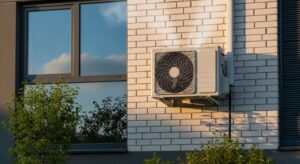
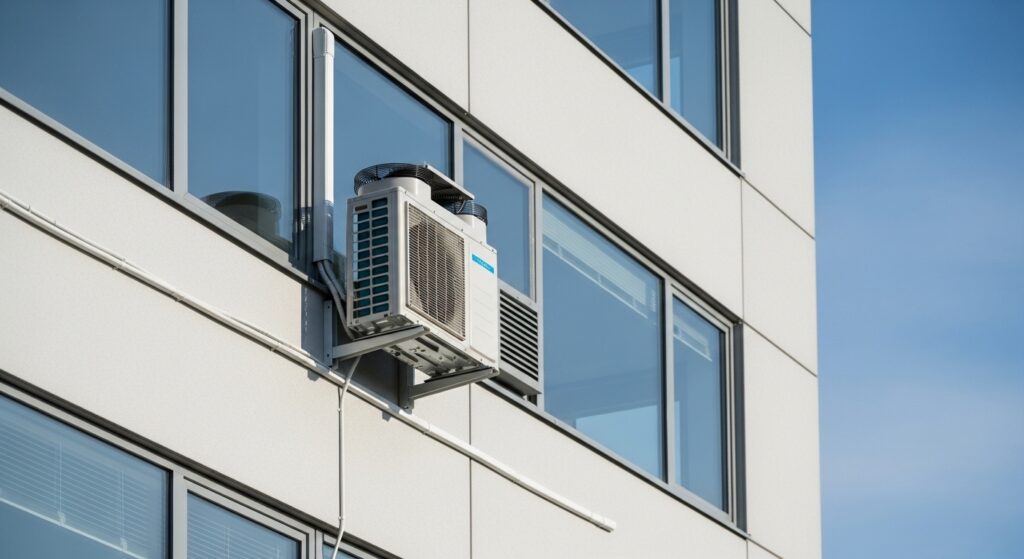
Early summer brings floating cottonwood that can mat condenser fins like felt. Gently rinse the outdoor coil from the inside out with the power off. If you notice stubborn dirt, use a compatible coil cleaner and rinse thoroughly. This 10-minute task can shave degrees off discharge temperature, easing compressor strain and reducing run time during sultry afternoons.
Tip 3: Manage Indoor Humidity
High humidity makes 74°F feel like 78°F. Keep the thermostat fan on Auto so the coil can pull moisture from the air. Run bathroom and kitchen exhaust fans during and after activities that add steam. Avoid large temperature setbacks on humid days; recovery takes longer and can leave indoor moisture elevated. If your home consistently feels damp, talk to a pro about blower speed optimization or supplemental dehumidification.
Tip 4: Protect Against Condensate Problems
When the system works hard, gallons of water can pass through the drain each day. Flush the drain line monthly with warm water followed by white vinegar. Check the pan for standing water and verify the float switch (if present) shuts the system off when lifted. A small investment of time here prevents water damage, musty odors, and unexpected shutdowns in the middle of a heat wave.
Tip 5: Keep the Thermostat Honest
Thermostats exposed to sunlight, lamps, or nearby supply vents misread room temperature, causing short cycles and poor comfort. Relocate sources of heat, adjust registers that blow directly at the stat, and verify programming. Modern smart thermostats can gradually learn your schedule and pre-cool efficiently before you return home, reducing peak load and making evenings more comfortable.
Tip 6: Balance the Home for Even Cooling
Uneven temperatures are common in mixed-age Skokie homes. Inspect attic insulation for gaps, especially over additions or knee walls. Seal obvious duct leaks with mastic or UL-181 foil tape where accessible. If one room lags behind, verify that its supply damper is fully open and that furniture isn’t blocking airflow. For persistent hot rooms, ask a pro about balancing registers or adding returns.
Tip 7: Listen for Subtle Changes
Small noises can foreshadow larger issues: a chirp on startup, a faint click at the condenser, or a new vibration in ductwork. Note when and where you hear sounds and whether they correlate with storms or high heat. Address loose panels and register rattles yourself; leave electrical buzzes, grinding, or repeated breaker trips to a professional.
Tip 8: Reset Expectations During Heat Waves
During extreme heat and humidity, expect longer runtimes. Keep blinds or curtains closed on sun-facing windows and avoid heat-heavy activities during peak hours. Raise setpoints slightly to reduce continuous operation. Comfort is a blend of temperature and humidity—if the air feels cool and dry, a degree or two higher on the thermostat can be more efficient without sacrificing comfort.
Tip 9: Establish a Midseason Inspection Habit
Halfway through summer, repeat core tasks: filter check, outdoor coil rinse, drain flush, and a quick temperature split measurement. This five-step midseason circuit often restores lost performance and alerts you to developing problems early. If performance continues to slip, a professional midseason tune—complete with airflow measurements and electrical tests—can reset your baseline.
Tip 10: Plan for Storm Resilience
Thunderstorms can topple branches and scatter debris into the outdoor unit, while lightning and power surges stress electrical components. After big storms, visually inspect the condenser and clear debris. If your system trips a breaker, don’t repeatedly reset it; identify the cause. Surge protection for the air handler and condenser is a sensible upgrade in storm-prone areas.
Mid-Article Resource for Reliable Performance
When the basics aren’t enough—uneven airflow persists, humidity stays stubbornly high, or the system seems louder than last year—schedule professional air conditioning maintenance. A technician can check refrigerant metrics, static pressure, blower speeds, and coil condition beyond surface cleaning, all tuned to Skokie’s summer realities.
Frequently Asked Questions
Q: How often should I change my filter in summer?
A: Check monthly and replace every 30–60 days, sooner if you have pets or after weeks with heavy pollen or construction dust.
Q: Why does my AC blow cool but the house still feels sticky?
A: Insufficient dehumidification is likely. Ensure the fan is on Auto, the coil is clean, and the drain is clear. A pro can evaluate blower speed and refrigerant charge to improve latent performance.
Q: Is it normal for the outdoor unit to run continuously on 95°F days?
A: Long runtimes can be normal during extremes. Help the system by shading windows, reducing internal heat, and maintaining clear coils and filters.
Q: What temperature split should I see?
A: Aim for roughly 14–22°F between return and supply under typical indoor humidity. Track it a few times each season to spot trends.
Q: Should I cover the outdoor unit during summer storms?
A: No cover is needed and can trap moisture. After storms, simply clear debris and check for damage.
Q: Can I run the fan continuously for better circulation?
A: In humid weather, continuous fan can re-evaporate moisture from the coil, raising indoor humidity. Use Auto for best dehumidification.
Q: What’s the best thermostat strategy when I’m away for a weekend?
A: A modest setback (3–5°F higher) is fine. Large setbacks in humid weather can lead to long recovery times and a sticky house upon return.
Q: When should I call a professional?
A: If you see ice on refrigerant lines, notice short cycling, smell burning, hear electrical buzzing, or the breaker trips more than once, schedule service.
Keep Your Cool All Season Long
With weekly airflow checks, monthly drain flushes, and smart thermostat habits, your Skokie home can stay comfortable through the hottest weeks. To fine-tune performance and verify critical measurements, schedule comprehensive air conditioning maintenance so your system delivers steady, quiet comfort no matter how high the humidity climbs.