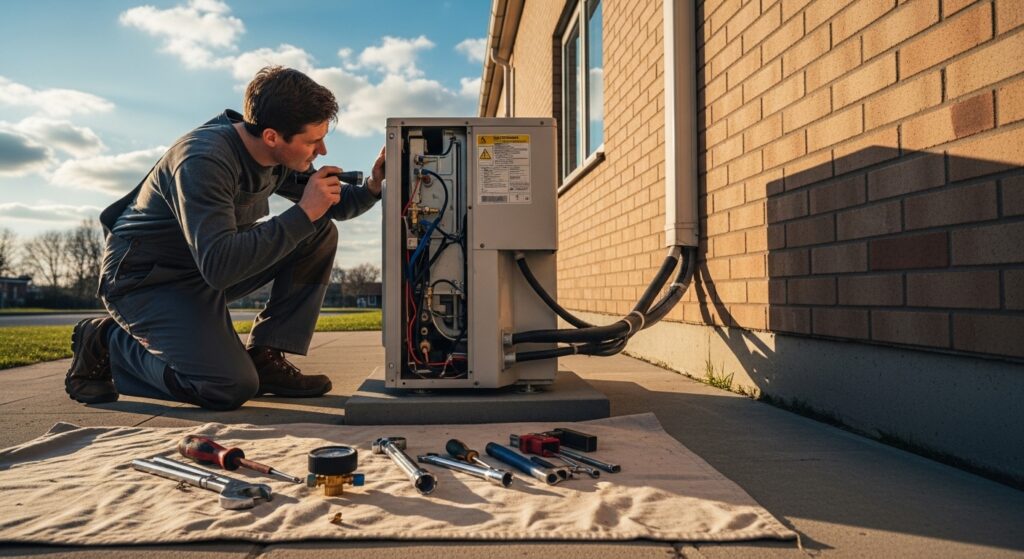
Keeping your cooling system reliable through hot, humid Lake Michigan summers takes more than just flipping the thermostat to cool on the first steamy day. Thoughtful, proactive care helps your system start smoothly in spring, work efficiently through midsummer heat waves, and shut down cleanly when fall arrives. In this comprehensive guide tailored to Skokie, Illinois homeowners, you will discover practical strategies that extend equipment life, enhance home comfort, and protect indoor air quality. If you are just getting started, the single best piece of advice is to commit to regular air conditioning maintenance so small issues never grow into comfort-disrupting breakdowns.
Unlike some parts of the country with milder, drier summers, the North Shore’s mix of heat, humidity, and rapid temperature swings can test an air conditioner’s limits. Units often run for long stretches on sticky afternoons, then cycle frequently on nights when the lake breeze cools things down. That extra workload makes it essential to keep airflow unobstructed, coils clean, and controls calibrated. With a plan tailored to Skokie’s climate and housing stock, you can reduce unnecessary strain while keeping energy use in check.
This article breaks down the why and how of smart upkeep, including simple tasks homeowners can do safely, ways to fine-tune comfort and efficiency, and signals that indicate it’s time for a professional visit. You will also find a seasonal checklist, answers to common questions, and a closing section that will help you take the next step with confidence.
Why Maintenance Matters in Skokie’s Climate
Skokie summers often bring heavy humidity, periodic storms, and quick changes in outdoor conditions. Moist air makes it harder for your system to remove latent heat, which increases runtime, raises indoor moisture levels, and can contribute to condensation in unexpected places if the system is not tuned correctly. When filters are dirty or coils are grimy, the unit struggles to move enough air across the evaporator and condenser surfaces, reducing both cooling capacity and dehumidification performance.
Beyond comfort, routine care helps protect your investment. Clean refrigerant circuits run at the proper pressures, fan motors operate within designed amperage, and electrical connections remain tight and secure. Left unattended, a loose wire or a pitted contactor can lead to hard starts, nuisance trips, or full system failure. In multi-story homes and older bungalows common around Skokie, these failures can occur during peak demand, precisely when technicians are busiest and response times can be longer.
There is also an important indoor air quality angle. A well-maintained system controls humidity more effectively, discouraging microbial growth on coils and in drain pans, and helping your home feel cooler at slightly higher thermostat settings. Combined with clean filtration, this can reduce allergens and dust circulating through your living space.
Essential Tips for Reliable Cooling
The following maintenance tips prioritize airflow, cleanliness, and safe operation. They are grouped by ease and impact, starting with simple, routine tasks most homeowners can perform.
- Replace or wash your air filter regularly. During heavy summer use, check it monthly and change it at least every 60–90 days, or more often if you have pets, recent construction, or allergies.
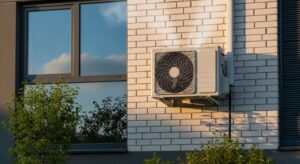
- Keep the outdoor condenser clear. Trim vegetation at least two feet away on all sides, remove leaves and debris, and ensure nothing blocks the top discharge.
- Clean supply and return grilles. Vacuum dust and pet hair to maintain free airflow to and from the system.
- Verify thermostat settings and schedules. Use a setback schedule that mirrors your daily routine, and confirm the thermostat is level and reading accurately if it is an older mechanical model.
- Inspect condensate drainage. Make sure the drain line is unobstructed and the trap has water in it to prevent odors and air leakage.
- Listen for changes. New rattles, loud buzzing, or squealing often precede larger problems and are worth investigating promptly.
- Protect the disconnect. Ensure the outdoor electrical disconnect cover is intact and the area is dry and accessible to reduce corrosion risk.
Each of these tasks supports the system’s ability to move air freely and manage moisture effectively. For instance, a clean filter and open return grille maintain proper static pressure. That helps the blower move its rated airflow, which in turn keeps the evaporator coil at the correct temperature for cooling and dehumidifying without freezing. Likewise, a clear condenser allows hot refrigerant vapor to reject heat efficiently, reducing head pressure and keeping the compressor within safe operating bounds.
A Practical Seasonal Plan
Spring is the time to get the system ready before the first hot spell. Begin with a visual inspection. Confirm the outdoor unit is level and free of debris, the refrigerant lines are properly insulated, and the electrical whip is secure. Inside, verify your filter is fresh, your supply vents are open, and your thermostat schedule reflects the warmer season. A pre-season check also gives you time to address issues like a sluggish contactor or a corroded capacitor before demand spikes.
In midsummer, refine your approach. If you notice the system running longer than usual, review airflow first. Open blocked vents, reduce closed-door situations that starve returns, and reassess your filter. Then think about humidity. A slight reduction in blower speed can sometimes help with moisture removal if your equipment supports multiple speeds, but changes to blower settings are best left to a professional who can confirm delta-T and static pressure remain within specification.
As fall approaches, give your system a clean shutdown. Replace the filter one last time, vacuum return grilles, and gently rinse off the condenser coil fins with low-pressure water from the inside out. Avoid pressure washers, which can damage fins. Finally, make sure your outdoor unit is clear of leaves and cover only the top to prevent debris from dropping in; do not wrap the entire cabinet, which can trap moisture and invite rodents.
Mid-Season Deep Dive: Airflow, Coils, and Controls
Midway through the cooling season is the ideal moment to confirm that real-world performance matches expectations. Start with airflow. Walk room to room to ensure each supply registers is open and delivering conditioned air. Check the main return path for dust accumulation or furniture obstructions. If a room is persistently warmer, consider whether duct runs may be long or undersized and whether balancing dampers could redirect air more effectively.
Next, consider coil cleanliness. A layer of dirt on the evaporator coil acts like insulation, reducing heat transfer and impairing dehumidification. Because the evaporator is inside the air handler, access may be limited, and cleaning often requires removing panels and protecting electronics from moisture. This is an excellent time to schedule professional care and fine-tuning of your air conditioning maintenance plan to ensure coils, blower wheel, and drain pan are properly inspected and cleaned.
Finally, review controls and safety devices. Confirm your thermostat’s temperature reading with a reliable indoor thermometer. If they differ by more than a degree or two, recalibrate or replace the thermostat as needed. Make sure the float switch (if present) is operational by slowly adding water to the pan and verifying the system shuts off. Test the disconnect and breaker to ensure safe electrical isolation if service is required.
Energy Efficiency Strategies That Work
Small changes can reduce energy use without sacrificing comfort. Start by improving your home’s envelope. Seal obvious gaps around doors, windows, and rim joists, and ensure attic insulation meets recommended levels. Better envelope performance lowers the cooling load, which allows your AC to cycle more consistently. Inside, use ceiling fans on low while rooms are occupied to enhance air movement; this can help rooms feel cooler at a slightly higher thermostat setting.
Keep heat sources in check. Close blinds or curtains on west-facing windows during late afternoon, especially on clear days when solar heat gain spikes. In kitchens, use range hoods that exhaust to the outside while cooking to reduce both heat and humidity. In bathrooms, run exhaust fans during and after showers for at least 20 minutes to shed moisture. Finally, avoid large internal heat gains by scheduling laundry and dishwashing later in the evening when possible.
Comfort Tuning for Multi-Level Homes
Many Skokie homes have multiple floors or finished basements with different comfort needs. If your system supports multi-stage cooling or variable-speed airflow, take advantage of those features to improve temperature balance. Even single-stage systems can benefit from strategic damper adjustments that send more air to upper bedrooms during the day and evening. If certain rooms still lag, discuss zoning, duct modifications, or supplemental return paths with a professional who can measure static pressure and total external static to determine the best approach.
Signs It’s Time to Call a Professional
You can handle filter changes, grille cleaning, and visual inspections yourself, but some issues require tools and expertise. Call a qualified technician if you notice any of the following: poor cooling despite a clean filter, ice on refrigerant lines or the evaporator coil, tripped breakers, short cycling, unusually high humidity, new grinding or buzzing noises, visible oil around refrigerant fittings, or water pooling near the air handler. Addressing these concerns promptly protects the compressor and minimizes downtime.
Maintenance Tasks Best Left to Pros
Professional service typically includes checking superheat and subcooling, measuring voltage and amperage, tightening electrical connections, cleaning the evaporator coil and blower wheel if accessible, flushing the condensate drain with safe methods, verifying refrigerant charge, and confirming the system’s temperature split across the coil. A trained technician will also assess duct static pressure, ensuring airflow matches equipment requirements and that restrictions or leaks are identified for correction.
Frequently Asked Questions
Q: How often should I change my air filter during summer in Skokie? A: Check monthly and change at least every 60–90 days. Homes with pets, active remodeling, or allergy concerns should change filters more frequently to maintain proper airflow.
Q: Is it safe to hose off my outdoor unit? A: Yes, gentle rinsing from the inside out helps remove surface dirt. Avoid high-pressure sprayers, which can bend fins and force water into electrical components.
Q: Why is my system running but not cooling well? A: Common causes include a clogged filter, dirty coils, low refrigerant charge, or a failing capacitor. If basic airflow fixes do not help, schedule a professional diagnostic.
Q: Can I close vents in unused rooms to save energy? A: Closing too many vents can raise static pressure, reduce airflow, and potentially harm the system. It is better to balance airflow carefully and improve your home’s envelope to reduce load.
Q: Should I cover my outdoor unit in winter? A: Do not wrap the entire cabinet. A top cover to keep leaves out is fine, but complete covers can trap moisture and attract pests.
Q: What temperature should I expect from my vents? A: On a properly charged and clean system, expect a temperature drop of roughly 15–20°F between the return and supply air. Large deviations warrant investigation.
Q: What maintenance can reduce humidity indoors? A: Ensure proper airflow, clean coils, and adequate run times. Bathroom and kitchen exhaust, sealing air leaks, and maintaining the condensate system also help.
Schedule Your Maintenance Today
Preparing your system before peak heat arrives is the easiest way to ensure steady comfort all season. Replace your filter, clear the condenser, and walk through the tips in this guide. Then, solidify your plan with professional care to verify coils, controls, and refrigerant levels are right where they should be. When you are ready to lock in comfort, set up your next air conditioning maintenance visit and enjoy a cooler, drier, and more dependable home through every Skokie summer.