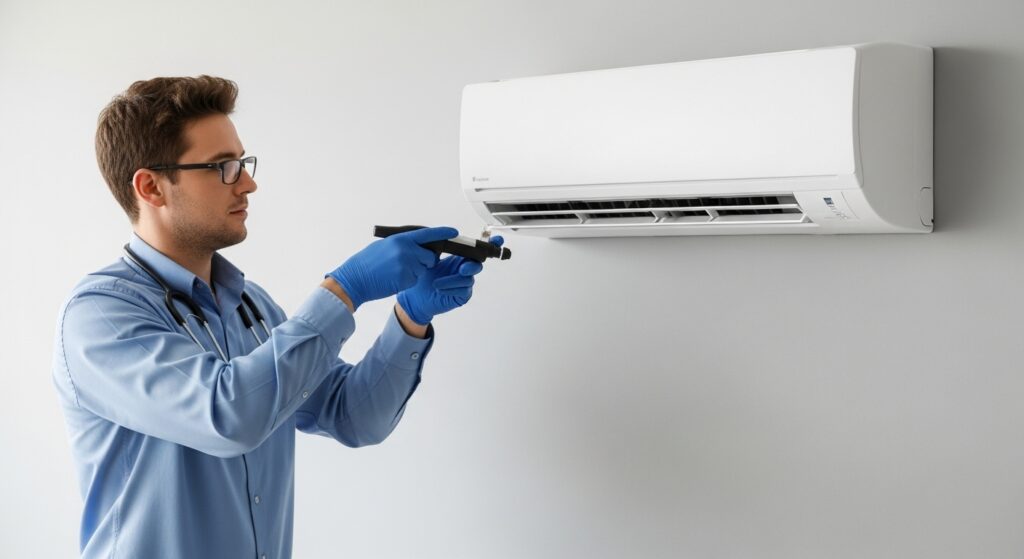
When summer settles over Skokie, you can feel it in the long, humid afternoons and warm evenings that make a well-running air conditioner essential. Good maintenance isn’t complicated, but it does benefit from local awareness: pollen can spike in late spring, sudden storms scatter debris, and heat waves test every weakness in airflow and drainage. The practical tips in this guide help Skokie homeowners prevent breakdowns, reduce energy use, and keep indoor air fresh. A thoughtful approach to air conditioning maintenance also extends system life, so you can stay comfortable from the first muggy day through the last.
These tips are organized to give you quick wins you can handle in minutes, plus deeper tasks for weekends or the shoulder season. You’ll learn how to tune filters and airflow, protect coils from cottonwood fluff, manage condensate in sticky weather, and use your thermostat to balance comfort and efficiency. If you follow even half the suggestions here, you’ll notice quieter operation, faster cooling, and fewer hot spots around the house.
Start With the Filter: Your System’s First Defense
Airflow is the backbone of efficient cooling. A dirty or overly restrictive filter forces the blower to work harder, prolongs run time, and can cause coil icing. Make filter care a habit and your AC will reward you with steadier temperatures and cleaner air.
- Check monthly during peak cooling. Replace when you can’t see light through the media or dust is visibly layered.
- Choose the right MERV: Go high enough to help with allergies but not so high that it chokes airflow. Follow your manufacturer’s guidance.
- Record the size and keep a spare on hand. Mark the install date on the frame to track replacement intervals.
Protect the Outdoor Unit From Debris
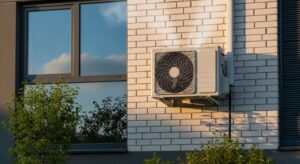
Skokie yards are beautiful in late spring, but cottonwood seeds and pollen can clog condenser fins quickly. A clogged coil can double run time and wear out the compressor prematurely. Keep up with simple yard care to protect your system’s efficiency.
- Maintain a clear perimeter of 2–3 feet around the condenser.
- After mowing or trimming, check for grass clippings pulled into the coil.
- Rinse the outdoor coil gently from inside out with a garden hose after power is off. Avoid high pressure that bends fins.
- Use a fin comb to straighten crushed fins and restore airflow.
- Keep mulch low and away from the base pan to prevent moisture retention.
Mind the Condensate: Drains, Pans, and Pumps
High humidity means more condensate. If drains clog or pumps fail, you may discover water near the furnace or even ceiling stains below an attic system. Preventive habits keep moisture moving where it belongs.
- Flush the drain line monthly with vinegar during cooling season to limit algae buildup.
- Confirm the drain line has a proper slope and secure connections.
- Test the condensate pump by adding water to the reservoir and watching for a smooth cycle.
- Install or test a float switch that shuts down the system if the drain clogs.
Get the Thermostat Working for You
Smart or programmable thermostats help you avoid waste without sacrificing comfort. The key is to set thoughtful schedules and allow gradual changes so the AC doesn’t struggle.
- Program moderate setbacks when you’re away. Avoid extreme swings that require long recovery times in high humidity.
- Use the “Auto” fan setting for typical operation; reserve “On” for specific air mixing needs.
- Enable geofencing or occupancy features on smart thermostats to fine-tune cooling when you’re home.
- Level the thermostat and replace batteries annually if applicable.
Boost Airflow Around the House
Even great equipment can’t perform without free-flowing air. Look for blockages and leaks that force your system to work harder than necessary.
- Open and uncover all supply registers and return grilles. Move furniture, rugs, and drapes that block airflow.
- Vacuum registers with a brush attachment to remove dust.
- Seal accessible duct leaks with mastic or foil tape; avoid cloth duct tape.
- Insulate exposed ducts in basements or crawl spaces to minimize heat gain.
Smart Cleaning for Better Heat Transfer
Heat transfer happens at the coils. Keep them clean and your AC can move heat out of your home efficiently, even when Skokie’s humidity lingers after sunset.
- Indoor coil: If you can access the evaporator visually, check for dust or biological growth. Heavy buildup calls for professional cleaning to avoid damaging fins.
- Outdoor coil: Rinse gently and apply an AC-safe coil cleaner as needed. Clean from inside to outside to push debris out of the fins.
- Fan blades: Wipe the outdoor fan blades with a damp cloth to remove grime that can upset balance.
Prevent Short Cycling and Icing
Short cycling wastes energy and wears components. Icing indicates airflow or refrigerant problems. Watch for early signs and act quickly.
- If the system starts and stops rapidly, check filters, thermostat location (avoid drafts and sunlight), and investigate low-voltage wiring issues with a pro if needed.
- Ice on the copper suction line or coil? Shut off the system to thaw and replace the filter. If icing returns, schedule service.
Energy-Saving Habits That Pay Off
Simple habits stacked together reduce your energy bills and lighten the load on your equipment.
- Use ceiling fans to raise the thermostat setpoint 1–2 degrees without losing comfort.
- Close blinds on sunny west-facing windows in the afternoon to reduce heat gain.
- Seal doors and add attic insulation, so your AC runs shorter cycles.
- Run heat-generating appliances (ovens, dryers) in the cooler morning or evening.
Know When to Schedule a Pro
Homeowner care covers a lot, but professional testing catches hidden issues a visual inspection can miss. Refrigerant charge, electrical performance, airflow balance, and coil condition all deserve periodic expert attention. Plan a spring visit before the first major heat wave to reduce wait times and ensure parts availability. Routine professional air conditioning maintenance adds a safety net to your DIY efforts, aligning your system with manufacturer specifications.
Troubleshooting Signals You Shouldn’t Ignore
Addressing small clues early prevents expensive surprises on the hottest day in July.
- Warm air from vents: Check the thermostat mode, filter, and outdoor unit operation. If the condenser isn’t running, inspect the breaker and contact a technician.
- Unusual smells: A musty odor often points to condensate issues; a burning smell can indicate electrical problems. Turn off the system and investigate.
- High indoor humidity: Verify the system is sized correctly and airflow is adequate. Consider duct sealing and a dehumidification strategy.
- Rattles or buzzing: Tighten panels and check for loose fasteners. Persistent noise merits a service call.
Seasonal Rhythm for Skokie Homes
Adopt a rhythm that matches local weather patterns. Spring means pollen and setup, summer demands vigilance around drain lines and coils, and early fall is a good time for a final cleaning before shutting things down.
- Early spring: Replace filters, clean coils, flush the drain, test the condensate pump, and verify thermostat schedules.
- Mid-summer: Re-check the outdoor coil during cottonwood season, and clear debris after storms. Confirm temperature split at vents.
- Late summer: Inspect blower and duct leakage, and consider airflow balancing if rooms are uneven.
- Early fall: Clean around the condenser, rinse the coil, and install a breathable top cover to protect from debris.
Frequently Asked Questions
Q: How often should I have my AC serviced? A: Once a year before cooling season is ideal, with additional checks after major storms or if performance changes.
Q: What thermostat setting saves energy without sacrificing comfort? A: The highest comfortable setpoint, typically around the mid-70s for many households, combined with ceiling fans and shade management.
Q: Do higher MERV filters always mean better performance? A: Only if your system can handle the added resistance. Balance filtration with airflow to avoid strain.
Q: Why does my AC run constantly on humid days? A: High humidity and heat gain can lengthen cycles. Help your system with shading, airflow, and drain maintenance.
Q: Can I clean the indoor coil myself? A: Light dusting is okay if accessible, but deep cleaning should be handled by a professional to prevent fin damage.
Q: Is it normal for water to be near the furnace in summer? A: No. Water indicates a drain, pump, or pan issue. Shut off the system and address it quickly to prevent damage.
Q: How do I prevent cottonwood from clogging my coil? A: Rinse the coil weekly during peak fluff and maintain clear space around the unit.
Take the Next Step Toward Reliable Comfort
With these tips, your AC will run smoother, cooler, and more efficiently all summer long. When you’re ready for a comprehensive tune-up, diagnostic testing, or help resolving persistent hot spots, book trusted local service. Start with professional air conditioning maintenance so your Skokie home stays comfortable through every heat wave.