Skokie’s climate runs on variety: cool, wet springs; hot, humid summers; and blustery shoulder seasons where temperatures swing from morning to evening. To keep indoor comfort steady, your air conditioner needs a maintenance schedule that follows local weather rhythms. This seasonal plan shows exactly what to do and when to do it, so you can prevent breakdowns, keep energy use in check, and stay ahead of the next heat wave. By anchoring your routine to the calendar—and paying attention after storms or pollen bursts—you’ll get the most from every hour of air conditioning maintenance.
Each season in Skokie brings its own tasks. Spring focuses on preparation and pollen; summer demands vigilance on drainage and heat transfer; fall is about cleanup and protecting gear; and winter is a chance to assess and plan. The schedule below helps you align DIY care with occasional professional service to ensure safe, efficient, and quiet operation year after year.
Early Spring: System Wake-Up and Baseline Checks
As soon as daytime highs consistently hit the 60s, it’s time to prepare your system for the first real cooling cycle. Addressing issues in early spring gives you scheduling flexibility and avoids peak-season delays.
- Replace or clean the air filter: Start the season with free-flowing airflow. Mark the install date and keep a spare on hand.
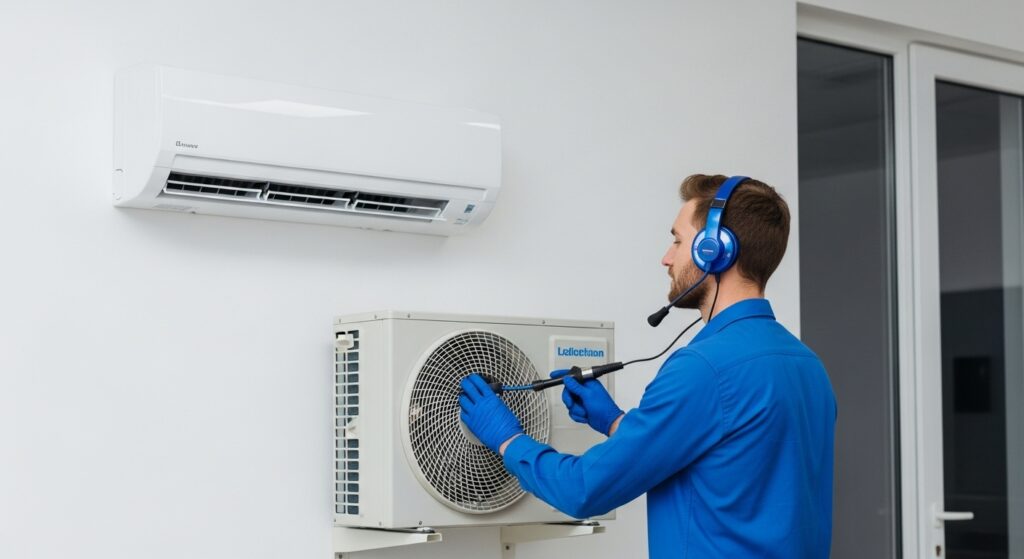
- Inspect the outdoor condenser: Clear a 2–3 foot space, remove leaves and debris, and check for animal nesting around wiring and the base pan.
- Rinse the condenser coil: Shut off power, remove the top grille if needed, rinse from inside out, and apply AC-safe coil cleaner if the fins look matted.
- Level the condenser: Check the pad with a level. Shim to correct tilts caused by frost heave or settling.
- Verify insulation on refrigerant lines: Replace cracked or missing foam on the suction line to improve efficiency.
- Flush the condensate drain: Pour vinegar through the cleanout to prevent algae formation as humidity rises.
- Test the condensate pump and float switch: Add water and confirm a smooth cycle and proper shutoff if the pan fills.
- Check the blower compartment and evaporator coil: Vacuum dust carefully and inspect the coil with a flashlight. Heavy buildup calls for a professional cleaning.
- Calibrate thermostat scheduling: Set cooling schedules and verify the system responds in Cool mode without short cycling.
- Perform a temperature split test: After 15–20 minutes of operation, measure return and supply air temperatures to establish a baseline.
Late Spring: Pollen, Cottonwood, and Fine-Tuning
Late spring around Skokie pushes pollen and cottonwood fluff into the air. Your outdoor coil is a magnet for it, and the impact on performance can be dramatic. This period also offers a chance to fine-tune airflow and comfort before peak heat.
- Check the condenser coil weekly during cottonwood season and rinse as needed.
- Confirm that bushes stay trimmed and mulch doesn’t trap moisture at the base pan.
- Inspect and replace the air filter if it collected spring dust quickly.
- Revisit thermostat schedules to match end-of-school or summer work routines.
- Seal any visible duct leaks in basements or crawl spaces and insulate exposed ducts.
Early Summer: Humidity Management and Heat Transfer
As relative humidity climbs, your AC must remove heat and moisture simultaneously. Support it with drainage checks and airflow optimization.
- Flush the drain line monthly through summer with vinegar and confirm good slope.
- Verify the condensate pump operates quietly and discharges outside or to a proper drain.
- Inspect the evaporator coil for condensation patterns that indicate restricted airflow.
- Wipe the outdoor fan blades and check for wobble or cracks.
- Recheck the condenser coil after thunderstorms; remove sticks, leaves, and wind-blown debris.
- Use ceiling fans and close blinds on west-facing windows in the afternoon to reduce load.
Mid-Summer: Performance Monitoring in Peak Heat
Now you’re in the thick of it. Peak heat exposes weak components, minor airflow issues, and dirty coils. Pay attention to performance and react quickly to anomalies to avoid no-cool emergencies.
- Measure temperature split again and compare to your spring baseline. Large changes warrant investigation.
- Listen for unfamiliar sounds: buzzing near the outdoor contactor, grinding at the blower, or rattles from loose panels.
- Watch for ice on the suction line or coil. If icing occurs, shut down to thaw, replace the filter, and call a professional if it recurs.
- Monitor humidity: If stickiness persists at your typical setpoint, evaluate airflow, duct leakage, and consider dehumidification strategies.
- Schedule professional air conditioning maintenance if you notice rising energy use or longer run times despite normal weather.
Late Summer: Balancing and Comfort Upgrades
As nights begin to cool slightly, late summer is perfect for fine-tuning distribution and planning small efficiency projects. These adjustments pay dividends next year too.
- Assess room-by-room comfort: Persistent hot rooms may need damper adjustments, duct sealing, or airflow balancing.
- Upgrade to a smart thermostat if you still use a manual model. Leverage geofencing and learning features for better control.
- Evaluate attic insulation and air sealing to reduce heat gain.
- Replace worn weatherstripping on exterior doors to reduce infiltration.
Early Fall: Cleanup and Protection
Once daily cooling demands drop, shift into cleanup mode. Protecting the outdoor unit over the off-season reduces corrosion and keeps spring prep simple.
- Rinse the outdoor coil one final time and clear vegetation.
- Inspect wiring and conduit for weather wear. Secure loose connections and protect exposed areas.
- Vacuum the blower compartment and check the filter before the heating season begins.
- Install a breathable top cover over the condenser to keep leaves out without trapping moisture.
- Document any persistent comfort issues and note them for a spring professional visit.
Winter: Assessment, Planning, and Indoor Air Quality
While the AC rests, winter gives you time to evaluate the past season and plan improvements. Indoor air quality projects are easier to complete now, and they support both heating and cooling comfort.
- Review your maintenance log: Compare temperature splits, filter changes, and any mid-season service.
- Plan duct sealing and insulation projects for early spring.
- Consider adding a whole-home dehumidifier or ventilation upgrades if humidity control was a challenge.
- Replace or clean the filter ahead of spring to avoid start-up delays.
Professional Services to Schedule Annually
DIY maintenance is powerful, but certain tests require specialized tools and training. Align these services with early spring to secure appointments and parts availability.
- Refrigerant charge verification under design conditions.
- Electrical testing: capacitors, contactor, wiring tightness, and motor current draw.
- Static pressure and airflow measurement to confirm proper blower settings.
- Evaporator and condenser coil deep cleaning if needed.
- Drain safety device testing, including float switches.
Troubleshooting by Season
Use these quick references to act fast when issues arise.
- Spring: If the condenser doesn’t start, check the disconnect, breaker, and thermostat wiring. Verify the contactor engages.
- Summer: If vents blow warm air, check for a dirty filter, iced coil, or outdoor unit not running. Shut down to thaw if you see ice.
- Fall: If you notice musty odors, clean the drain and pan and consider UV or enhanced filtration solutions.
- Winter: If rodents chew insulation off refrigerant lines, replace the foam before spring start-up.
Frequently Asked Questions
Q: How often should I replace my filter? A: Check monthly and replace every 30–60 days during heavy cooling, especially with pets or allergies.
Q: Is a cover necessary for the outdoor unit in winter? A: A breathable top cover helps keep debris out. Avoid full wraps that trap moisture.
Q: What temperature split should I expect? A: Typically 15–20°F. Large deviations suggest airflow or refrigerant issues.
Q: Can I clean the evaporator coil myself? A: Visual checks are fine; deep cleaning is best left to professionals to avoid fin damage.
Q: When should I schedule service? A: Early spring is ideal. Consider mid-summer service if performance drops.
Q: How do storms affect maintenance? A: After severe weather, clear debris, re-check coil cleanliness, and ensure the unit remains level.
Stay Ahead of the Weather
With a seasonal plan aligned to Skokie’s climate, you’ll avoid no-cool surprises and enjoy steadier comfort. Keep a simple log of filter changes, drain flushes, and temperature splits to spot trends before they become problems. For diagnostic testing, coil cleaning, and airflow balancing that lock in reliability, schedule professional air conditioning maintenance and head into summer with confidence.