When you search for help with your cooling system, you are not just looking for any technician—you want a dependable local partner who understands Skokie’s mix of hot afternoons, humid evenings, and fast-moving storms off the lake. The right approach starts with consistent air conditioning maintenance and a professional you can trust to keep your system running smoothly through every season. This guide explains how to choose the right local provider, what to expect during a visit, and which homeowner tasks make the biggest difference between appointments.
Skokie’s housing includes a mix of older bungalows, mid-century homes with additions, and newer townhomes. Each layout presents unique airflow dynamics. Upper floors collect heat, basements may feel damp, and long duct runs can strain airflow if not properly balanced. A local professional familiar with these patterns can save time during diagnostics and recommend targeted improvements that fit the neighborhood’s typical construction.
Choosing a Local Maintenance Partner
Experience with local climate is invaluable. Look for providers who discuss humidity control, building envelope impacts, and airflow balance—not just equipment brand names. A well-rounded technician will talk about temperature splits, static pressure, coil cleanliness, and condensate management. They should explain what they measure, why it matters, and how recommendations will improve comfort in your specific home.
Availability also matters. Peak summer days can book quickly, so proactive scheduling keeps you ahead of the rush. Ask about appointment windows, communication practices, and how they handle urgent issues. Clear expectations help ensure you receive timely service when you need it most.
What a Thorough Visit Should Include
A strong visit typically covers airflow verification, coil inspection and cleaning as needed, electrical checks, condensate system evaluation, and refrigerant charge verification. The technician should measure supply and return temperatures, check blower amperage, confirm that thermostat readings align with actual conditions, and verify that safety devices like float switches function correctly.
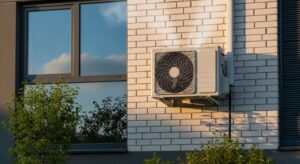
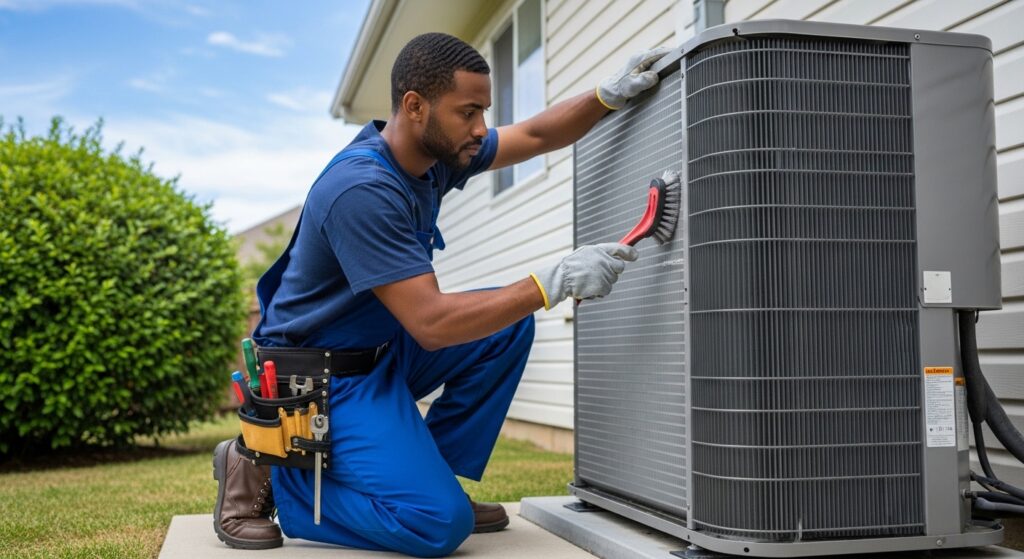
Coil cleaning is a critical part of maintaining capacity and dehumidification. Because the evaporator coil lives inside the air handler, cleaning requires protecting electronics, applying appropriate cleaners, and preventing spills. The outdoor condenser coil may collect cottonwood fluff and grime; gentle rinsing from the inside out restores heat rejection and lowers system head pressure.
Homeowner Tasks Between Appointments
- Replace filters on schedule. Check monthly during heavy use and change as needed to protect airflow.
- Keep vents and returns clear. Move furniture and rugs away from registers and grilles.
- Trim vegetation around the condenser. Maintain at least two feet of clearance.
- Monitor condensate drainage. Verify the trap has water and the line is free of algae and kinks.
- Listen for changes. New buzzing, rattling, or squealing can indicate developing issues.
These simple actions set your system up for success. They reduce strain on components, support proper dehumidification, and provide useful information to your technician when service is needed.
Understanding Comfort Challenges in Skokie Homes
Upper-level rooms often run warmer because heat rises and roof structures absorb solar energy. Long duct runs to second-floor bedrooms can reduce static pressure and airflow, and closed doors without adequate return paths can starve the system. Balancing dampers, transfer grilles, and thoughtful scheduling can help. In basements, cool surfaces can condense moisture when humidity climbs; controlling indoor moisture through proper runtime and ventilation is essential.
Sun exposure matters, too. West-facing rooms gain heat late in the day. Blinds and curtains can reduce solar load during peak hours, and smart thermostat strategies can pre-cool slightly so the system glides through late afternoon demand without struggling.
Signs You Need Professional Attention
If you notice ice on refrigerant lines, short cycling, breaker trips, unusually high indoor humidity, or musty odors at supply registers, call for service. Persistent hot spots, a decreasing temperature split between return and supply, or audible electrical chatter also merit a professional visit. Addressing these signals early protects your compressor and keeps your home comfortable during the hottest stretches.
What to Expect During a Maintenance Appointment
Your technician will likely begin with a conversation about comfort patterns and any recent changes. They will check the filter, inspect the blower and evaporator coil, and measure static pressure across the air handler to ensure airflow is within specification. Outdoors, they will confirm the condenser fan and compressor start up cleanly, inspect electrical components for wear, and rinse the coil as needed. They will measure superheat and subcooling to verify charge and confirm that the temperature split aligns with healthy operation.
Documentation is an underrated part of a visit. Good providers record measurements, note recommendations, and explain what to watch for between appointments. These records help you understand trends year over year and make informed decisions about improvements.
Enhancing Efficiency and Comfort
After the essentials are in place, your technician may suggest targeted upgrades: a better return path for a stubbornly warm bedroom, a variable-speed blower setting to improve dehumidification, or minor duct adjustments to reduce noise and improve balance. Complement these with homeowner strategies like closing blinds during late afternoon, using bath and kitchen exhaust fans to manage moisture, and keeping interior doors open when possible to support even airflow.
Frequently Asked Questions
Q: How often should I schedule professional maintenance? A: At least once per year, with additional checks if you notice changes in performance or humidity.
Q: What is a normal temperature difference between return and supply air? A: Typically 15–20°F. Larger deviations suggest airflow or refrigerant issues that need diagnosis.
Q: Can I hose off my outdoor unit safely? A: Yes, with low-pressure water and the power off. Avoid high-pressure sprayers that can bend fins or force water into electrical components.
Q: Why do upstairs rooms stay warmer? A: Heat rise, solar gain, and long duct runs can reduce airflow. Balancing dampers and improved return paths often help.
Q: Should I cover the outdoor unit in winter? A: Use a top cover to keep debris out, but do not wrap the entire cabinet to avoid trapped moisture.
Q: Does filter MERV rating matter? A: Yes. Higher MERV captures more particles but can increase pressure drop. Choose a filter compatible with your system’s airflow capacity.
Local Mindset, Lasting Comfort
Choosing a nearby professional who understands Skokie’s climate and housing styles ensures faster diagnostics and better solutions tailored to your home. Keep up with filter changes, maintain outdoor clearance, and monitor humidity and noise between visits. When peak heat approaches, secure your appointment so you are not competing for limited slots. For a dependable, comfortable season from first warm day to the last, schedule professional air conditioning maintenance and enjoy consistent comfort in every room.