Introduction: Confidence Through Clarity
Knowing what to expect from professional maintenance makes it easier to plan your season and protect your investment. In Skokie, where summers blend humidity and heat, a thorough service visit can be the difference between steady comfort and frustrating hot-and-cold swings. This overview explains the typical flow of a visit, what technicians measure, and how you can prepare your home to get the most benefit. If you want to combine your own filter and cleaning routine with a pro’s precision, consider scheduling expert air conditioning maintenance before the first heat wave to lock in reliable performance.
Before the Visit: Preparation That Pays Off
Clear a path to the thermostat, indoor unit, and outdoor condenser. Move pets to a quiet space and note any symptoms you’ve noticed: rooms that lag behind, new noises, or energy use that seems higher than last year. If you track filter changes or temperature splits, keep that log handy; it helps your technician spot trends faster.
Initial Conversation and Visual Inspection
A visit typically begins with questions about comfort concerns and recent changes in your home—new windows, attic insulation, or renovations can affect airflow. The technician performs a visual inspection indoors and outdoors: filter condition, blower cabinet cleanliness, cabinet seals, drain pan status, coil accessibility, condenser clearance, and cabinet integrity. They also verify model and serial numbers and look for previous repair notes if available.
Electrical and Safety Checks
Technicians confirm the disconnect is secure, examine contactors for pitting, test capacitor health, and verify motor amperage against nameplate ratings. They check wiring for rub marks, heat damage, or loose connections and ensure proper grounding. Inside, they inspect the blower door safety switch and evaluate control board indicators for stored fault codes. These steps lower the risk of midsummer breakdowns.
Airflow and Static Pressure
Airflow is the backbone of performance. The technician may measure external static pressure across the air handler to assess duct health. If pressure is high, they look for restrictive filters, closed registers, dirty evaporator coils, or undersized return paths. Adjustments might include recommending a different filter type or changing blower speed to better handle Skokie’s humidity while preserving comfort.
Evaporator and Condenser Coil Evaluation
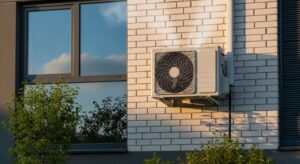
Dust and debris on either coil impair heat transfer. Where accessible, the technician inspects the evaporator coil for dirt or biofilm and may recommend cleaning if buildup is present. Outdoors, they confirm the condenser coil is clear and rinse or clean it if needed. Straightening bent fins helps restore smooth airflow, lowering operating pressures and compressor temperatures.
Condensate Management and Drainage
With humidity high in summer, reliable drainage is essential. The technician inspects the drain pan, clears the drain line, and tests float switches. They confirm proper slope and look for signs of previous overflows. Stopping a slow drain today prevents musty odors, water damage, and inconvenient shutdowns later.
Refrigerant Performance and Diagnostics
With gauges and temperature probes, the technician checks refrigerant pressures and calculates superheat and subcooling to compare against manufacturer targets. These measurements verify whether the system is charged correctly and whether the metering device and coils are exchanging heat as designed. If numbers are off, they investigate airflow first, then refrigerant-side issues such as restrictions or leaks.
Thermostat, Controls, and System Operation
The thermostat is calibrated, batteries replaced if applicable, and schedules reviewed for your routine. The system is allowed to run so the technician can verify a stable temperature split, listen for abnormal sounds, and observe condensate flow. They may cycle the system several times to ensure consistent starts and stops, especially if you reported short cycling.
Recommendations and Education
At the end of the diagnostic portion, you receive a summary: what’s working well, what needs attention now, and what to watch. Common recommendations in Skokie include filter schedule adjustments during cottonwood season, duct balancing to fix warm rooms, adding returns in homes with long hallways, or sealing visible duct leaks.
How Long the Visit Takes
Most maintenance visits take around an hour to complete the full inspection, cleaning where needed, and performance verification. Heavily soiled systems or complex duct issues can extend the visit. Providing access to equipment and clearing the work area helps keep the process smooth and thorough.
What You Can Do Between Visits
Between professional appointments, handle the easy wins: filter changes, coil rinses, drain flushes, and verifying clear registers. Track a few data points—filter dates, temperature split, and any unusual sounds—to help spot trends. If humidity becomes a recurring issue, set the fan to Auto and use bath and kitchen exhaust fans consistently.
Midseason Check-In
Skokie’s weather can shift quickly. Midseason, check filters and rinse the condenser again if pollen and debris are heavy. If comfort slips or noise increases, schedule a quick follow-up. Professional midseason air conditioning maintenance can retune airflow and ensure electrical components remain within healthy ranges after the season’s hardest weeks.
Frequently Asked Questions
Q: Do I need maintenance if my system seems fine?
A: Preventive service confirms safe operation, cleans hidden buildup, and verifies measurements so you’re not surprised during a heat wave.
Q: Will maintenance improve humidity control?
A: Often, yes. Cleaning coils, validating blower speed, and ensuring proper charge enhance latent performance so indoor air feels drier at the same temperature.
Q: How often should I replace filters?
A: Inspect monthly in summer and replace every 30–60 days, or sooner with pets, allergies, or recent remodeling.
Q: What if I see ice on the refrigerant line?
A: Turn off cooling and run the fan to melt ice. Check the filter and airflow. If icing returns, schedule service to evaluate airflow and refrigerant performance.
Q: Are long runtimes normal in extreme heat?
A: Yes, especially during humid spells. Proper maintenance ensures the system runs efficiently and steadily rather than short cycling.
Q: Can I close vents to push more air to hot rooms?
A: Avoid closing many vents; it raises static pressure and can reduce system life. Ask about duct balancing or additional returns for persistent hot spots.
Q: How do technicians decide if refrigerant is low?
A: They examine superheat, subcooling, and pressures in context with airflow measurements and ambient conditions, not just one reading.
Plan Your Best Summer Yet
Clear communication, documented measurements, and a clean system set you up for quiet, efficient comfort. Take care of the basics at home, then schedule comprehensive air conditioning maintenance so your Skokie home stays consistently cool during the toughest stretches of summer.