Introduction: Solve Problems Before They Start
Even a well-planned project can run into hiccups. Illinois homes add complexity—finished basements, tight attics, mixed-age ductwork, and weather that swings from damp heat to chilly nights. The good news: most issues have predictable causes and straightforward fixes when you know what to look for. Use these troubleshooting insights to guide your air conditioning installation from first fit-up through final commissioning and early operation.
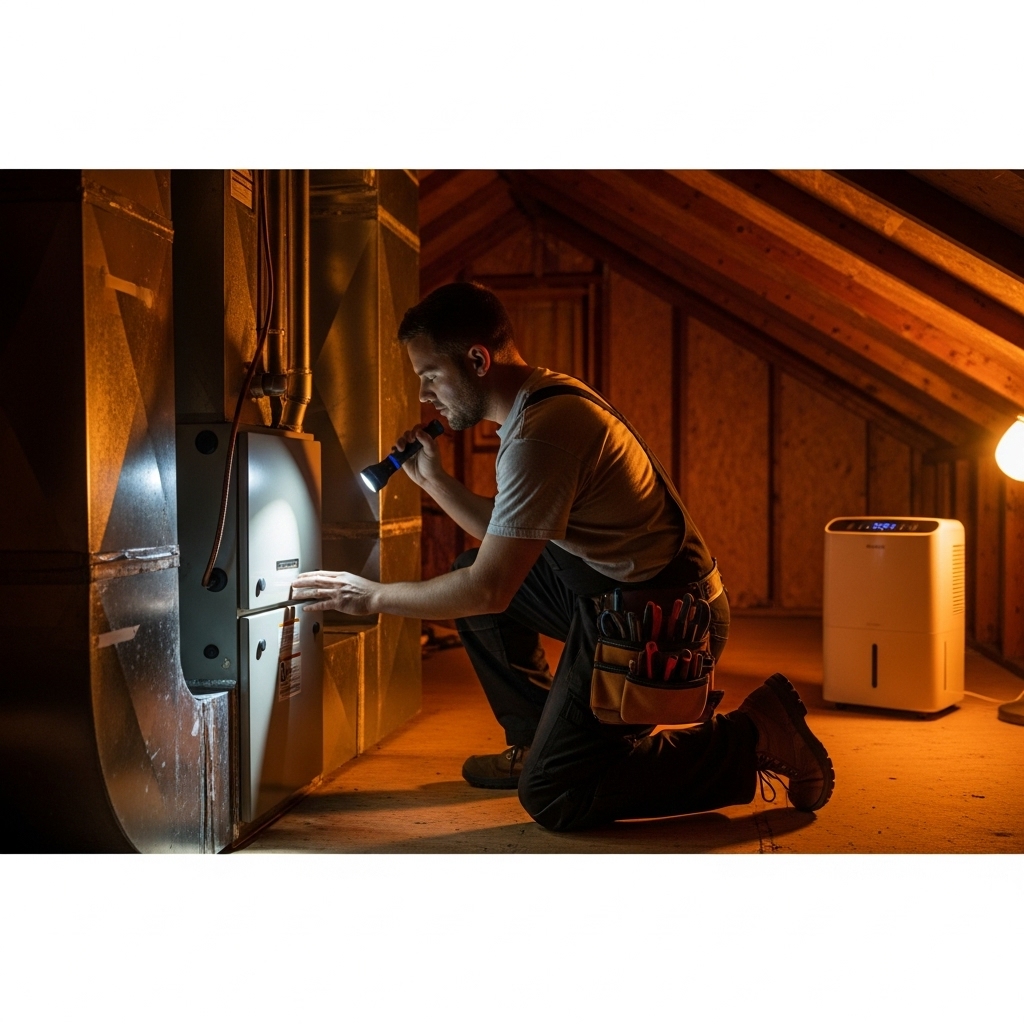
The key to troubleshooting is a methodical approach. Verify airflow, electrical integrity, drainage, and refrigerant charge in that order. Document findings so you can compare performance over time.
Airflow Problems
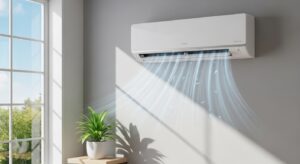
Symptoms: rooms at different temperatures, noisy returns, or weak supply registers. Causes often include undersized returns, leaky ducts, blocked registers, or incorrect blower speeds.
- Check filter orientation and cleanliness; a clogged filter starves the system.
- Inspect return paths; consider adding returns or transfer grilles for upper levels.
- Seal duct joints with mastic and insulate runs in unconditioned spaces.
- Verify blower settings match the equipment tonnage and coil requirements.
Thermostat and Controls
Symptoms: short cycling, failure to engage second stage, or erratic temperature swings. Confirm thermostat compatibility with multi-stage or variable-speed equipment and correct wiring at the air handler and condenser terminals.
- Enable staging and dehumidification modes as designed.
- Update firmware on smart thermostats and connect to Wi‑Fi for remote diagnostics.
- Calibrate temperature readings if the thermostat sits near heat sources or direct sun.
Condensate Management
Symptoms: water near the indoor unit, musty odors, or tripped float switches. Causes include insufficient slope, clogged lines, or missing traps where required.
- Ensure visible slope toward the termination point.
- Flush lines and clean traps; install an access tee for maintenance.
- Test float switches and pumps; verify safe shutoff behavior.
Refrigerant and Line-Set Issues
Symptoms: low cooling output, iced indoor coil, or high energy use. Installation factors such as line-set length, kinks, moisture ingress, or incorrect charge can be culprits.
- Inspect for insulation damage and mechanical protection where lines are exposed.
- Verify proper evacuation and charging procedures; review commissioning data for superheat and subcooling.
- Check for restrictions at fittings and ensure the line-set size matches design recommendations.
Electrical Checks
Symptoms: breaker trips, humming at startup, or intermittent operation. Electrical integrity is vital for safety and performance.
- Confirm correct breaker size and wire gauge per equipment nameplate.
- Test grounding and tighten connections at the disconnect and panel.
- Inspect start components and contactors for wear if problems persist.
Noise and Vibration
Symptoms: rattling panels, buzzing near the outdoor unit, or duct “oil-canning.”
- Verify the outdoor pad is level and stable; add anti-vibration pads if recommended.
- Secure panel screws and add gasket material where appropriate.
- Balance airflow to reduce pressure spikes that flex thin duct sections.
Humidity Control
Symptoms: clammy air despite reaching setpoint, or condensation on supply registers. Causes often include oversized equipment, high airflow during mild conditions, or inadequate run times.
- Use lower blower speeds where supported to extend run time and remove more moisture.
- Consider staged or variable-speed equipment for better humidity control.
- Verify duct insulation and check for air leaks near humid areas like basements.
Inspection and Code-Related Setbacks
Symptoms: failed inspections, rework orders, or delayed approvals. Avoid these by planning documentation and clear access.
- Prepare a commissioning sheet with measured values.
- Label disconnects, breakers, and filter locations.
- Photograph concealed work—like sealed ducts—before drywall or insulation hides it.
Seasonal and Illinois-Specific Factors
Attic temperatures can soar, causing duct losses and sweating on uninsulated metal. Basements may be cool yet humid, affecting comfort balance. Keep returns adequate on upper floors and protect line-sets from snow and ice exposure. Outdoor units should be placed with clear airflow and away from dryer vents that discharge lint.
When to Call a Professional
If you observe persistent short cycling, repeated breaker trips, or icing, stop and call a qualified technician. Refrigerant handling and advanced diagnostics require specialized tools and training. Provide your maintenance log and any commissioning data to speed the visit.
Mid-Project Communication
Many problems are best prevented through communication. Confirm schedule milestones, ensure materials are on site, and verify the scope of any duct changes before cutting or sealing. Treat air conditioning installation as a collaborative project: ask questions early, track answers in writing, and align on inspection dates.
Frequently Asked Questions
Q: Why is one room always warmer? A: The return path may be inadequate, or the supply run may be long with leaks. Adding a return or balancing dampers can help.
Q: My thermostat shows the right temperature but the air feels damp—why? A: High humidity is likely. Verify blower settings and consider staged or variable-speed equipment to lengthen dehumidifying run times.
Q: The outdoor unit is loud. What can I do? A: Check for debris in the fan, ensure the pad is level, and review whether clearances are blocked by landscaping.
Q: How often should I check the condensate drain? A: Inspect at the start of cooling season and after any service that may disturb the line; add an access tee for easy flushing.
Q: What records should I keep? A: Save permits, inspection sign-offs, commissioning values, and model/serial numbers; they simplify service and support.
Make Your System Perform
Troubleshooting is easier when you have a structured plan, clear documentation, and a basic understanding of airflow, electrical, drainage, and refrigerant principles. If you want a professional partner to help prevent problems and fine-tune performance, schedule your air conditioning installation with a local team that prioritizes commissioning and long-term reliability.