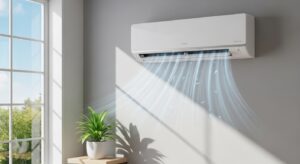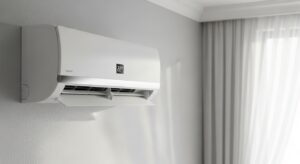

Mini split air conditioning has become a favorite option for Skokie homeowners who want flexible, efficient comfort without extensive ductwork. Whether you are retrofitting a vintage bungalow, finishing an attic suite, or adding comfort to a new addition, ductless systems can target the rooms you actually use while keeping noise low and controls intuitive. This guide explains how mini splits work, how to plan a smooth installation, and what details matter most in our local climate. If you prefer start-to-finish support, many Skokie residents partner with specialists in air conditioning installation to make sure design, placement, and commissioning are done right the first time.
How Mini Splits Deliver Targeted Comfort
Mini split systems pair one outdoor unit with one or more indoor units connected by refrigerant lines. Each indoor head serves a zone—such as a primary bedroom, family room, or finished basement—allowing individualized temperature control. Variable-speed compressors and fans ramp up and down to match the room’s needs, reducing temperature swings and often lowering energy use compared to single-speed systems. Because they avoid large ducts, mini splits can be an ideal solution for older Skokie homes where running new ductwork would be disruptive or impractical.
Single-Zone vs. Multi-Zone Installations
A single-zone setup targets one space with one indoor head, while multi-zone systems connect several indoor units to a single outdoor unit. Multi-zone configurations favor additions, upstairs suites, or multiple rooms that need independent control. The key is to size each indoor unit to the room’s actual load rather than guesswork. Oversizing can lead to short cycling and reduced dehumidification, while undersizing leaves a space struggling during hot afternoons.
Load Calculations: The Foundation of Good Design
Room-by-room load calculations are critical for mini splits. They account for window area and orientation, insulation, ceiling height, infiltration, and internal gains from people and electronics. Homes in Skokie vary widely—from brick bungalows to newer constructions—and the building envelope plays a major role in determining what each zone needs. Proper design ensures steady comfort and smooth, quiet operation.
Choosing Indoor Unit Styles
While wall-mounted units are most common, ceiling cassettes, floor consoles, and ducted mini air handlers provide aesthetic and architectural flexibility. Ceiling cassettes work well in larger rooms with open ceilings; low-wall consoles fit under windows; slim ducted units can serve small groups of rooms unobtrusively. Your installer will consider joist directions, ceiling depth, and service access to recommend a style that blends with your home.
Placement for Performance and Quiet Operation
Indoor units should blow conditioned air across the main occupied area, not directly at seating. Avoid placing heads where furniture or cabinetry blocks airflow. For bedrooms, select quieter fan profiles and consider sleep modes. Outdoor units need clearance for airflow and service, and placing them away from bedroom windows preserves nighttime quiet. Anti-vibration pads and careful line routing reduce sound and aesthetic impact.
Line Sets, Penetrations, and Aesthetics
Refrigerant lines, control wiring, and condensate drains connect the indoor and outdoor units. Neat line-hide covers or painted conduit help the installation blend with your exterior. Penetrations through walls are sealed to keep out moisture and drafts. On multi-story homes, installers may route lines through closets or soffits to minimize visual impact while maintaining good service access.
Condensate Management
Every cooling indoor unit produces condensate that must drain properly. Gravity drains are preferred where routing allows; otherwise, reliable condensate pumps are used. In finished spaces, secondary protection—such as overflow sensors—adds peace of mind. Condensate lines should be sloped, supported, and protected from freezing where exposed to winter conditions.
Cold-Climate Considerations
Skokie winters bring cold snaps that require special attention for systems that include heating operation. Cold-climate heat pump models maintain capacity at lower outdoor temperatures, and proper defrost sequencing keeps coils clear. Outdoor units should be elevated above expected snow levels and placed to avoid drifting. Drainage for defrost meltwater is essential so ice does not accumulate beneath the unit.
Electrical Requirements and Controls
Mini splits need dedicated circuits sized to manufacturer specifications, with appropriately placed disconnects. Controls range from simple handsets to Wi-Fi-enabled apps and integrated smart home platforms. For multi-zone systems, centralized controllers can coordinate setpoints and schedules. Ensure that your Wi-Fi coverage reaches the locations of indoor units if you plan to use app-based control.
Commissioning and Fine-Tuning
Commissioning verifies refrigerant charge, tests condensate drainage, and confirms fan operation, heating/cooling mode changes, and control responsiveness. Fine-tuning airflow settings and swing angles makes a noticeable difference in comfort. In bedrooms, for instance, lower fan speeds and gentle airflow patterns can improve sleep quality while maintaining the setpoint.
Integrating With Existing Systems
Mini splits can complement existing central systems by targeting problem areas—like hot second floors or seasonal sunrooms—without overhauling your whole home. In hybrid configurations, your central air serves the main living areas while mini splits focus on specific zones. This approach can reduce run time on the main system and give you precise control where you need it most.
Maintenance for Longevity
Regular maintenance keeps mini splits quiet and efficient. Wash or replace filters as recommended, clear debris around outdoor units, and keep line-hide covers intact. Annual checkups should include cleaning indoor coils and verifying condensate drains. Because mini splits operate with lower, more frequent fan speeds, clean filters are especially important for maintaining airflow and quiet operation.
Common Mistakes and How to Avoid Them
- Oversizing indoor units, which can compromise dehumidification and comfort.
- Placing heads where airflow is blocked by furniture or wall features.
- Neglecting condensate safeguards in finished areas.
- Underestimating the value of neat line routing and weather sealing.
- Skipping commissioning steps that verify real-world performance.
Project Planning and Timeline
Successful projects begin with a design visit to confirm loads, placement, and routing. A clear scope document outlines the number of zones, indoor unit types, line paths, electrical needs, and condensate details. Installation often proceeds zone by zone to keep living spaces usable. Final walkthroughs cover remote controls, filter access, and recommended maintenance.
Indoor Air Quality and Filtration
Many mini splits support higher-grade filters or supplemental filtration accessories. If allergies are a concern, discuss filter options and cleaning intervals during design. Proper filter selection balances air quality improvements with the fan’s ability to move air quietly and efficiently. In multi-zone setups, different rooms can use different filter strategies based on how the spaces are used.
Mid-Project Checkpoints That Improve Outcomes
As lines are routed and indoor heads are mounted, a quick mid-project review verifies that planned placements still make sense with real-world constraints. Adjusting a head a few inches to clear a door swing or modifying a line path for a cleaner look often pays dividends for years. Coordinating with a team skilled in air conditioning installation ensures these small but important refinements are standard practice.
Frequently Asked Questions
Q: Are mini splits a good fit for older Skokie homes?
A: Yes. They avoid large ducts and can bring comfort to rooms that are hard to condition with traditional systems, making them ideal for retrofits.
Q: Can one outdoor unit serve several rooms?
A: Multi-zone systems can connect multiple indoor heads to one outdoor unit, but each zone must be sized correctly for steady comfort.
Q: How loud are mini splits?
A: Properly sized and commissioned units are typically very quiet. Placement and airflow settings also influence acoustics.
Q: Do mini splits help with humidity control?
A: Variable-speed operation often improves dehumidification, particularly during long, warm afternoons when steady, lower-capacity cooling keeps humidity in check.
Q: What maintenance is required?
A: Regular filter cleaning or replacement, outdoor coil care, and annual checkups to verify drainage and performance.
Q: Can mini splits heat as well as cool?
A: Many models provide efficient heating. For winter reliability, choose cold-climate versions and ensure proper installation and drainage for defrost cycles.
Bring Targeted Comfort to Your Skokie Home
Mini splits offer flexible comfort, quiet operation, and room-by-room control ideal for Skokie’s varied homes. With careful design, neat routing, and thorough commissioning, you can enjoy dependable performance through summer heat and beyond. When you are ready to plan your project, partner with experienced pros in air conditioning installation who handle details from sizing to placement so your upgrade looks sharp and feels great from day one.