Older homes in Skokie, Illinois are beloved for their character—arched doorways, detailed millwork, plaster walls, and unique floor plans. Yet these very charms can complicate modern cooling. Ductless mini-split systems offer a flexible, efficient solution that preserves architectural integrity while delivering targeted comfort. This guide explains how ductless technology fits vintage and mid-century homes, what to expect from the installation process, and how to plan aesthetic placements that honor your home’s style. To see how professional planning translates into quiet, reliable performance, review industry best practices for air conditioning installation so you can set expectations from day one.
Why Ductless Fits Older Homes
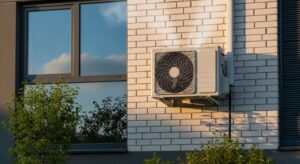
Ductless systems excel where conventional ducts are impractical. Many Skokie homes lack sufficient chases or attic space for large trunk lines. Others have finished basements or architectural constraints that make duct runs costly or invasive. Mini-splits connect compact indoor air handlers to a small outdoor condenser via slim refrigerant lines, a drain, and low-voltage wiring. This approach minimizes demolition, protects plaster and wood trim, and allows room-by-room temperature control.
Because older homes often have mixed usage patterns—living rooms bustling during the day, bedrooms quiet until evening—zoned ductless control helps tailor comfort and reduce unnecessary runtime. Multiple indoor units can share one outdoor condenser, and each zone gets its own thermostat logic. This targeted approach is particularly helpful for sunrooms, attic conversions, additions, and enclosed porches that rarely match the rest of the home’s load.
Indoor Unit Styles and Aesthetic Integration
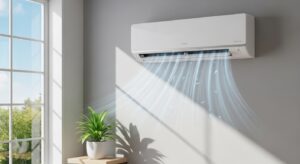
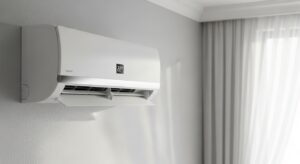
Today’s ductless indoor units offer more than just high-wall cassettes. Ceiling cassettes, floor consoles, and short-run ducted units provide design flexibility. Floor consoles can resemble vintage radiator placements; short-run ducted units hide in soffits or closets to serve a couple of nearby rooms with discreet grilles. With careful planning, you can blend comfort with aesthetics so the equipment complements, rather than competes with, original details.
Paintable line-hide covers, thoughtful routing paths, and strategic placement ensure that the small line set penetrations do not disrupt historic finishes. Discuss options early, especially if you have ornamental plaster, detailed crown molding, or original built-ins you want to preserve.
Load Calculations and Zoning Strategy
A room-by-room load calculation is essential. Older homes vary dramatically in insulation levels, window quality, and air leakage. A scientific load assessment determines how many indoor units you need, where to place them, and how to stage capacity for peak summer days. Oversizing a single indoor unit can create drafts and short-cycling; splitting capacity across zones often yields smoother, quieter comfort.
Consider how your household uses each space. If upper floors overheat in the afternoon, a zone dedicated to bedrooms can operate independently, keeping sleep areas cool without running the entire home. Likewise, a frequently used home office or studio might justify its own zone so you can manage humidity and temperature precisely while you work.
Electrical, Condensate, and Placement Details
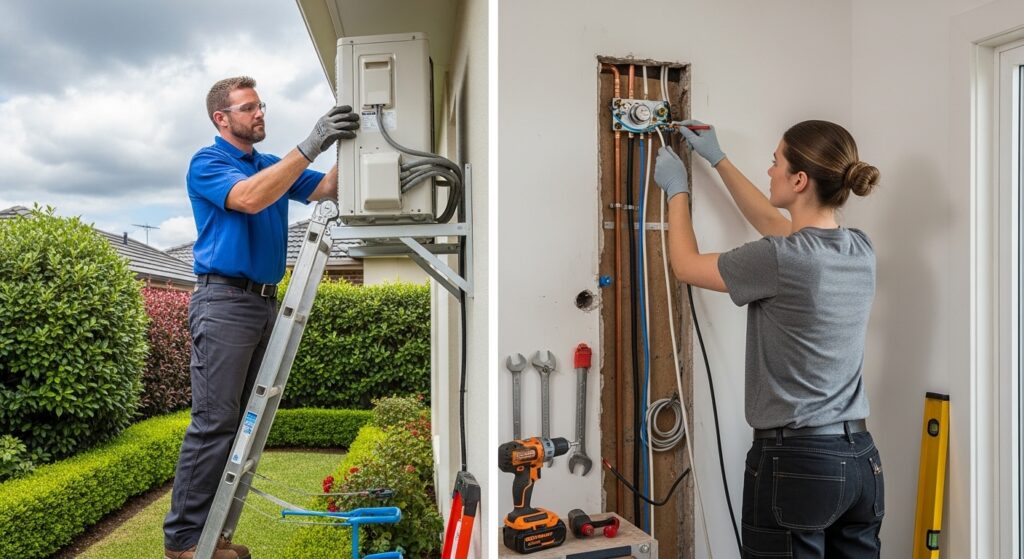
Even though mini-splits are less invasive than ducted systems, they still require thoughtful planning. The outdoor unit needs proper clearances and a stable mounting pad or brackets. Electrical requirements must align with your panel’s capacity and include an outdoor disconnect. Indoor units require nearby power and a drain path for condensate; in some cases, a condensate pump is appropriate to route water safely.
Placement also affects acoustics and airflow. High-wall units deliver air effectively across rooms but should avoid direct blasts on seating or bedding. Ceiling cassettes can spread air evenly with minimal drafts. Floor consoles suit knee-wall areas or spaces with limited wall height. Discuss these options with your installer to match unit type, room architecture, and daily use.
Preserving Architecture During Installation
Respecting original finishes is a top priority in older homes. Installers can often route line sets through closets, chases, or the exterior in low-visibility areas. Small wall penetrations are typically sealed, insulated, and covered with trim kits or paintable covers to blend in. If your home has historical significance, plan line paths and outdoor placement with an eye toward neighborhood character and any applicable local guidelines.
Performance, Efficiency, and Quiet Operation
Modern ductless systems use inverter-driven compressors that modulate output to match real-time load. Rather than cycling on and off, they ramp up or down to maintain a steady temperature. This approach saves energy, reduces wear on components, and maintains stable humidity, which is crucial during Skokie’s muggy summer days. Indoors, quiet fans and variable speed operation make mini-splits well suited for bedrooms, nurseries, and home offices where noise matters.
Supplemental Heat and Shoulder Seasons
Many ductless heat pumps can provide efficient heating during shoulder seasons. In transitional weather, you can warm key rooms without starting a whole-house heating system. While winter design temperatures may still rely on your primary heat source, a ductless system’s dual capability adds flexibility and can reduce the workload on your existing furnace during milder days.
Maintenance and Longevity
Routine care keeps ductless systems running flawlessly. Clean or replace filters on schedule, clear outdoor unit debris, and make sure condensate drains freely. Professional maintenance should include coil cleaning, refrigerant checks, and verification of electrical connections. Because mini-splits run at low speeds for long durations, consistent maintenance preserves efficiency and quiet operation over the system’s life.
Planning and Permitting in Skokie
As with any HVAC project, proper permits and code compliance protect your home. Expect inspections to review electrical safety, line set handling, and equipment placement. Discuss local noise ordinances and property line clearances for the outdoor unit. The goal is a safe, durable installation that also respects neighbors and community standards.
Budgeting Without Compromise
Without citing specific figures, it is fair to say the most durable value comes from matching equipment to your home’s needs, not just picking the largest capacity. A balanced design, cleanly executed line routing, and thorough commissioning will pay off daily in comfort and peace of mind. Sometimes, phasing zones over time allows you to modernize cooling with minimal disruption to your household routine.
When Ductless and Central Can Coexist
In some homes, a hybrid approach works best: retain central air for core spaces and add ductless units for areas with difficult loads or unique schedules, such as sunrooms, attic suites, or workshops. This strategy can avoid extensive renovations while giving you precision control where you need it most. To compare options and weigh tradeoffs, it helps to study professional approaches to air conditioning installation so you can evaluate system design, zoning, and commissioning like a pro.
Frequently Asked Questions
Q: Will ductless mini-splits change the look of my historic interior? A: With careful placement and paintable covers, indoor units and line sets can blend discreetly. Short-run ducted units and ceiling cassettes provide even more aesthetic options.
Q: Can one outdoor unit serve multiple rooms? A: Yes. Multi-zone condensers can support several indoor units, each with independent control. The layout depends on load calculations and refrigerant piping constraints.
Q: Are mini-splits loud? A: No. Modern inverter-driven systems are impressively quiet indoors and out, provided they are installed with proper clearances and vibration isolation.
Q: How often should filters be cleaned? A: Check monthly during peak seasons and clean or replace as needed. Professional service should verify coil cleanliness and drain function annually.
Q: Do I need a condensate pump? A: Not always. Gravity drains are preferred when feasible, but a pump solves routing challenges in many older homes.
Q: Will ductless help with humidity? A: Yes. Modulating operation helps manage humidity more steadily than frequent on-off cycling, especially helpful during Skokie’s humid summer spells.
Q: Can I add heating with mini-splits? A: Many ductless systems offer heat pump functionality that provides efficient heat in shoulder seasons and supplemental warmth in winter.
Start Planning Your Ductless Upgrade in Skokie
If you want precision comfort without invasive renovations, a ductless mini-split design tailored room by room can be transformative. Begin with a load calculation, explore indoor unit styles, and plan line routing that respects your home’s architecture. To visualize what successful, code-compliant work looks like from start to finish, review a trusted guide to air conditioning installation and connect with a qualified local pro to bring your plan to life.