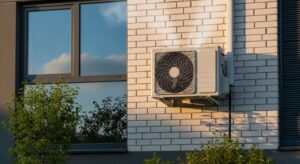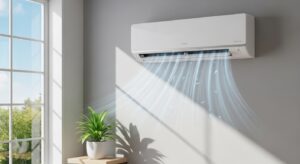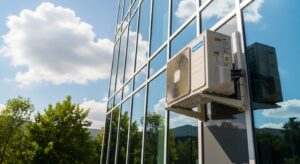

Skokie businesses rely on dependable cooling to protect inventory, equipment, and the people who keep operations running. From street-level retail and restaurants to multi-tenant offices and medical facilities, the needs of commercial buildings are complex. They demand a design-driven approach, precise scheduling, and clear communication among stakeholders. Choosing experienced professionals for commercial air conditioning installation can help align comfort, efficiency, and compliance so daily operations continue smoothly while your project progresses.
Why Professional Expertise Matters for Skokie Businesses
Commercial projects involve more variables than residential installs: larger loads, extensive duct networks, multiple zones, mission-critical areas, and diverse occupancy patterns. A qualified team begins with a building-wide analysis, balancing thermal loads across sunlit facades, interior cores, and perimeter zones. The goal is to keep spaces comfortable and productive through Chicago-area summers while respecting budgets, timelines, and code requirements.
System Types You Might Consider
Commercial buildings in Skokie commonly use packaged rooftop units, split systems, variable refrigerant flow (VRF) systems, and in some cases chilled water plants for larger or specialty spaces. Each platform offers distinct advantages and demands specific design and control strategies. Rooftop units serve open-floor retail efficiently, VRF supports multi-zone flexibility in offices and clinics, and split systems can target smaller suites or specialized rooms. Your installer will match equipment to the building’s architecture, ventilation needs, and usage patterns.
Load Calculations, Zoning, and Controls
Accurate load modeling, along with realistic occupancy and ventilation assumptions, guides equipment selection and duct sizing. Zoning prevents overcooling under-occupied areas and improves comfort across diverse tenant needs. Modern controls enable scheduling, setpoint optimization, and fault detection. Building managers gain visibility into performance and can respond quickly to anomalies before they escalate into occupant complaints or equipment issues.
Design-Build vs. Plan-Spec
With design-build, one team is accountable for design and installation, streamlining coordination and change management. Plan-spec projects follow stamped drawings from an engineer, with installation executed to those documents. Both approaches can succeed in Skokie if communication is clear and field conditions are verified early. A professional installer will flag conflicts quickly—such as clashes with existing utilities or structural constraints—so the project stays on schedule.
Ventilation and Indoor Air Quality
Ventilation strategies are crucial in workplaces where occupant density varies throughout the day. Demand-controlled ventilation can modulate outside air based on sensors, improving comfort and reducing unnecessary cooling. Filtration upgrades and air distribution design contribute to a healthier environment for employees and customers. Restaurants, laboratories, and medical spaces often require specialized exhaust and make-up air integration to maintain balanced pressure and compliance.
Code Compliance, Permits, and Inspections
Commercial installations must satisfy mechanical, electrical, structural, and often energy-related requirements. Skokie’s permit and inspection process exists to protect safety and ensure quality workmanship. Expect attention to rooftop safety, condensate routing, seismic or wind restraints as applicable, electrical clearances, and correct refrigerant handling. An experienced contractor will coordinate documentation, secure permits, and schedule inspections to keep pace with the construction calendar.
Rooftop Logistics and Safety
Rooftop installations require crane lifts, rigging plans, and careful coordination with local authorities and property managers. Safety plans address fall protection, weather contingencies, and site access. Maintaining business continuity means planning lifts during off-hours when feasible and staging equipment to minimize disruption. Communication with tenants is part of a professional approach that respects your building’s daily rhythm.
Commissioning: Proving Performance
Commissioning validates airflow, refrigerant charge, control sequences, and zoning. For multi-tenant buildings, it confirms that each suite receives the intended airflow and comfort while the overall system runs efficiently. By verifying performance with instruments rather than assumptions, commissioning reduces callbacks and helps facilities teams understand how to operate equipment effectively.
Lifecycle Planning and Energy Management
Energy strategies should be considered at design, not as an afterthought. High-efficiency equipment, variable-speed fans, economizers, and smart controls can trim energy use without sacrificing comfort. In offices and classrooms, precise humidity control supports well-being and can deter mold growth. Maintenance access and filter strategies are planned early so ongoing service is straightforward and consistent.
Tenant Coordination and Communication
Commercial projects operate within a living building. Clear notices about schedule, temporary noise, and access help tenants prepare. When setpoints or ventilation are temporarily affected, transparent communication keeps occupants informed and cooperative. A professional team assigns a project lead who acts as a single point of contact for owners, property managers, and tenants.
What to Expect from a High-Quality Installation
Expect a documented process: kickoff meetings, site verification, submittal reviews, safety plans, and a detailed sequence of work. Field leaders will confirm power availability, curb or pad requirements, and duct routes before equipment arrives. After installation, the team performs startup and control checks, then walks facilities staff through operation and maintenance tasks with clear documentation for future reference.
Mid-Project Considerations That Pay Off
Halfway through a project is the ideal time to assess real-world conditions against design assumptions. Are sunlit areas experiencing higher loads than modeled? Are occupancy schedules shifting based on tenant feedback? Professional teams adjust as needed to maintain comfort and avoid operating inefficiencies. Working with experts in air conditioning installation ensures these mid-course corrections are part of a standard process rather than an afterthought.
Common Pitfalls to Avoid
- Skipping pre-install field verification that would catch duct conflicts or power limitations.
- Underestimating ventilation needs for high-density spaces.
- Neglecting access for filter changes or coil cleaning, leading to performance decline.
- Overlooking controls integration, resulting in hard-to-manage systems.
Maintenance and Training
Once equipment is in service, staff training ensures consistent performance. Filter programs, coil cleaning schedules, belt checks (where applicable), and drain maintenance help avoid downtime during peak heat. A good handoff includes documentation of equipment settings, control sequences, and recommended maintenance intervals, giving your team the confidence to manage day-to-day operation.
Frequently Asked Questions
Q: How do I choose between rooftop units, VRF, or split systems for my building in Skokie?
A: The decision depends on zoning needs, building layout, load diversity, and control preferences. A professional assessment weighs these factors to align equipment with your goals.
Q: Will installation disrupt my tenants?
A: Planning lifts and noisy work for off-hours, staging equipment, and communicating schedules minimize disruption. Most projects proceed with limited impact when coordination is prioritized.
Q: How can I ensure good indoor air quality?
A: Effective ventilation, proper filtration, and balanced air distribution are key. Demand-controlled ventilation and filter upgrades can be integrated to support occupant well-being.
Q: Why is commissioning essential?
A: Commissioning confirms performance under real conditions, reducing callbacks and providing documentation for facilities staff.
Q: Do I need permits in Skokie?
A: Commercial mechanical and electrical work typically requires permits and inspections. A professional installer will coordinate the process and keep you informed.
Q: What about energy management?
A: Efficient equipment, variable-speed fans, and smart controls can cut energy use. Aligning ventilation with occupancy patterns is often a major opportunity.
Partner with a Skokie Team Focused on Results
Your building’s comfort and productivity depend on a thoughtful plan and impeccable execution. From initial load analysis to commissioning and staff training, the right partner keeps your project on time and aligned with goals. When you are ready to move ahead, collaborate with specialists who deliver commercial air conditioning installation so tenants and staff can enjoy reliable comfort through the hottest stretches of summer.