Adding or replacing central air in Skokie requires more than choosing equipment. Permits and inspections exist to safeguard your home, verify safe workmanship, and ensure your system performs as intended for seasons to come. Whether you are upgrading an aging unit or installing central air for the first time, understanding the permitting process helps keep your project on schedule. If you are considering professional support from design through approvals, working with a team experienced in air conditioning installation can make the journey simpler and more predictable.
Why Permits Matter
Permits are not just paperwork; they are a framework that ensures your central air system is sized, installed, and powered safely. Mechanical and electrical inspections confirm that the equipment, wiring, and controls comply with codes and manufacturer specifications. Proper condensate management, lineset routing and support, and equipment clearances are checked for long-term reliability. The result is a safer, better-documented installation that protects your investment and the value of your home.
When Permits Are Typically Required in Skokie
Most central air replacements and new installations involve mechanical and electrical permits. If new ductwork is added or existing ductwork is significantly modified, that work is also within the scope of inspection. Electrical updates—such as a dedicated circuit, disconnect, or panel changes—are reviewed for safety and code compliance. Your project may also require coordination when equipment locations change, such as moving an outdoor unit to a new area of the yard.
What Inspectors Commonly Look For
- Equipment placement: Clearances for airflow and service access, and secure mounting on pads or appropriate supports.
- Electrical safety: Correct wire sizing, grounding/bonding, and properly rated overcurrent protection.
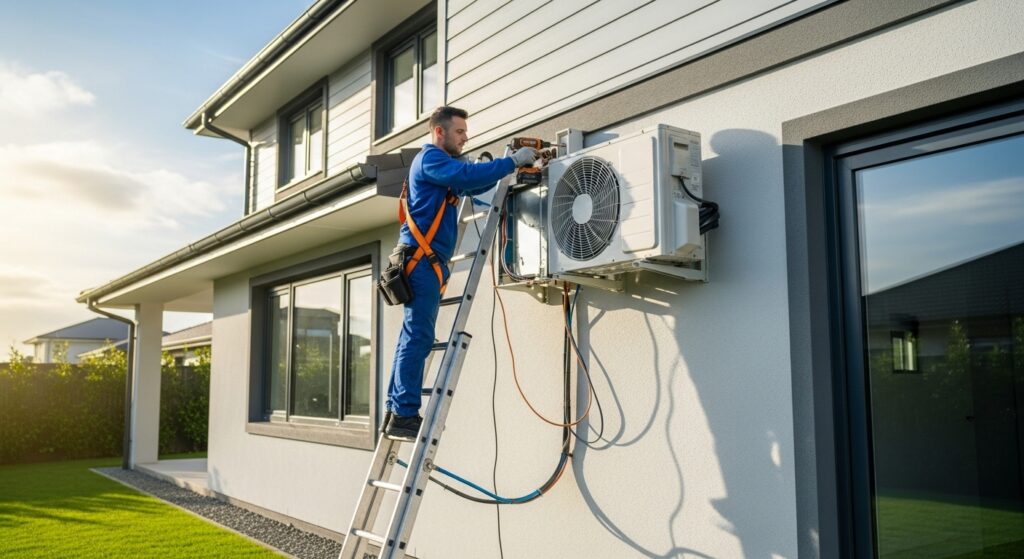
- Refrigerant lines: Appropriate insulation, secure supports, and tidy penetrations through walls with proper sealing.
- Condensate management: Proper slope, traps where specified, and secondary protection in locations where spills could cause damage.
- Duct integrity: Sealed joints, adequate returns, and airflow balancing to meet design requirements.
- Controls and thermostat: Correct low-voltage wiring and functional tests of cooling operation.
Preparing for the Permit Application
Successful applications start with clear documentation. Many projects include a basic site plan showing equipment locations, a description of the scope of work, and equipment specifications or submittals. If ductwork is being added or reconfigured, a sketch or diagram can help clarify what inspectors will see onsite. The more complete your submission, the fewer follow-up questions you are likely to receive, which helps keep timelines predictable.
Load Calculations and Equipment Selection
Accurate load calculations support the permit process by demonstrating that equipment capacity matches your home’s needs. Oversized systems may short cycle and provide poor humidity control; undersized systems can struggle on hot days. Documenting these calculations—along with selected equipment details—provides a strong foundation for the inspection process and long-term comfort.
Electrical Considerations
Central air installations often require updates or verification of electrical capacity, including a dedicated circuit for the outdoor condensing unit and appropriate breakers. Inspectors will confirm the disconnect location, conduit, and conductor size, as well as panel labeling. Thoughtful planning of wire routing minimizes aesthetic impact and supports maintenance access in the future.
Ductwork and Airflow
Many central air upgrades involve improvements to ductwork. Sealed supply and return ducts reduce leakage that undermines performance. Additional returns can relieve pressure imbalances that create hot rooms. Balancing dampers allow fine-tuning of airflow during commissioning. Inspectors generally appreciate clean, labeled work that matches the scope described in the application.
Outdoor Unit Placement and Neighbor Considerations
Placement of the outdoor unit affects sound, serviceability, and airflow. Respecting property lines, windows, and clearances helps maintain good neighbor relations and simplifies maintenance visits. Setting units on level pads, maintaining vegetation clearance, and avoiding recirculating corners improve performance and noise characteristics.
Condensate and Moisture Protection
In finished areas, condensate safeguards such as secondary drain pans or float switches provide crucial protection. Properly sloped drains and cleanouts make maintenance easier and reduce the risk of water issues during humid weather. Inspectors often look for these details because they prevent avoidable damage and service calls.
The Inspection Sequence: What to Expect
- Permit approval: After submission, the village reviews scope and documentation.
- Rough-in checks (as needed): For extensive duct or electrical changes, preliminary inspections may occur before finishes are closed.
- Installation: Equipment is placed, lines run, drains installed, and electrical connections completed.
- Commissioning: Airflow and controls are verified, and equipment operation is tested in cooling mode.
- Final inspection: Inspectors confirm that the installation matches the permit and code requirements.
Working with Professionals Who Know the Process
An experienced contractor coordinates paperwork, schedules inspections efficiently, and communicates clearly with homeowners. They will anticipate inspector questions and ensure that the work area is accessible and safe for review. This approach reduces delays and keeps your project moving forward. If you prefer a single point of accountability, choose a team that manages design, installation, and permitting start to finish.
Mid-Project Alignment to Avoid Surprises
Once the project is underway, it is wise to validate field conditions against your initial plan—especially for duct routing and electrical capacity. Confirming these details early can prevent last-minute changes that disrupt schedules. Aligning design and site realities in the middle of the project often avoids rework and helps inspections proceed smoothly. Teams experienced in air conditioning installation typically build these checks into their standard process.
Common Pitfalls and How to Prevent Them
- Skipping load calculations: Leads to comfort problems and potential inspector pushback.
- Insufficient documentation: Causes review delays and extra questions.
- Poor condensate planning: Risks water damage during peak humidity.
- Undersized returns: Results in noisy operation and uneven cooling.
- Neglecting clearances: Complicates service and reduces equipment life.
Homeowner Tips for a Smooth Inspection
- Prepare access: Clear paths to equipment, panels, and attics or crawlspaces.
- Post documentation: Keep a copy of the permit, submittals, and any as-built notes on hand.
- Ask questions: Inspectors and installers alike appreciate proactive communication.
- Confirm labeling: Circuit breakers and equipment should be labeled clearly for future reference.
Frequently Asked Questions
Q: Do I always need a permit for central air in Skokie?
A: Most installations require mechanical and electrical permits. The process confirms safe, code-compliant work and protects your home.
Q: How long does the permit process take?
A: Timelines vary with project scope and season. Complete documentation typically helps reviews proceed more quickly.
Q: What if my ductwork is old?
A: Inspectors commonly look for sealed joints and adequate returns. If your ducts are restrictive or leaky, improvements can be included in the project scope.
Q: Can equipment be moved to a different location?
A: Yes, but placement must respect clearances and code. Your application should reflect the new location along with any pad or line revisions.
Q: How important is commissioning?
A: Very. Proper verification of airflow, controls, and refrigerant charge ensures comfort and can prevent callbacks after the final inspection.
Q: What documents should I keep after completion?
A: Save permit approvals, inspection sign-offs, equipment manuals, and any warranty information for future reference.
Move Forward with Confidence
Permits guide a safer, better-performing central air installation. By planning documentation carefully, coordinating inspections, and commissioning the system thoroughly, you set your home up for seasons of dependable comfort. When you are ready to begin, choose a partner who can handle design, permits, and installation for air conditioning installation so every step—from paperwork to performance—works in your favor.