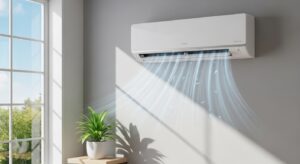
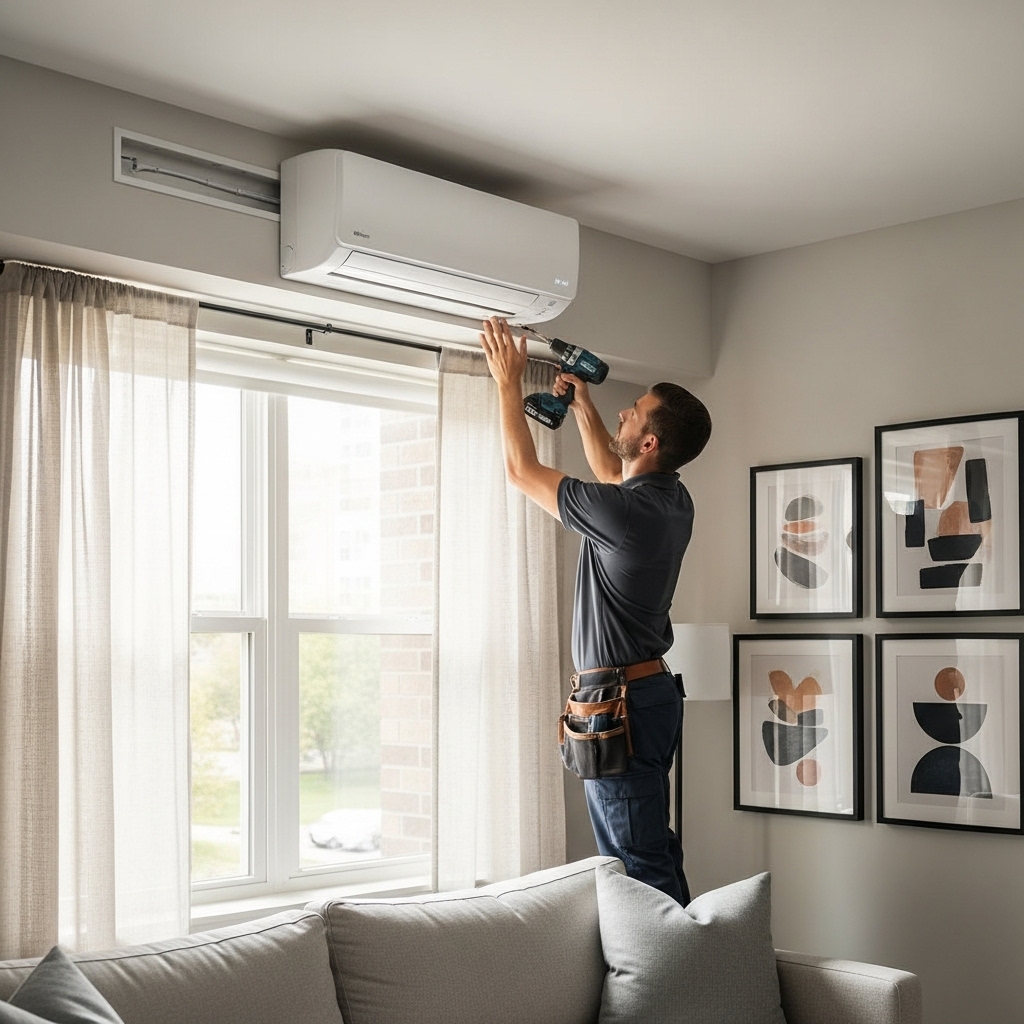
Installing air conditioning in Skokie, Illinois apartments demands precision, coordination, and a strong understanding of building constraints. Multi-family settings introduce considerations beyond those found in single-family homes—shared walls, limited equipment space, noise sensitivities, and building rules. This step-by-step guide explains how to plan, approve, and execute a project that delivers reliable comfort while respecting neighbors and the building envelope. If you are exploring central or ductless options, it helps to know the core principles of air conditioning installation and how they apply in multi-unit buildings.
Apartment retrofits vary widely. Some units already have hydronic or forced-air systems that can accommodate a cooling coil, while others are best served by ductless mini-splits. Electrical capacity, condensate routing, and outdoor unit placement are central to apartment-friendly design. Use the steps below to move from concept to cool air smoothly and responsibly.
Step 1: Review Building Policies and Obtain Approval
Start by reviewing your lease, condo bylaws, or co-op rules. Many buildings require applications for mechanical changes, outlining equipment type, placement, noise ratings, and penetrations. Secure written approval and clarify responsibilities for maintenance and future access to service the system.
Step 2: Assess Existing Infrastructure
Determine whether your apartment has suitable ducts, a furnace or air handler that can accept an evaporator coil, or space for a ductless air handler. Evaluate the electrical panel for available capacity and dedicated circuits. Map potential paths for line sets and drains, considering aesthetic covers and serviceability.
Step 3: Choose the Right System Type
System selection often hinges on space, noise, and the ease of running lines to an outdoor unit. Ductless mini-splits offer zoning and minimal disruption where ducts are limited. Where existing forced-air systems are present, a traditional split system with a coil may be practical. Heat pumps can provide both heating and cooling, offering flexibility in shoulder seasons.
Step 4: Load Calculation and Room-by-Room Priorities
Even in smaller apartments, a load calculation matters. Solar gain from large windows, top-floor heat load from the roof, and varying occupancy patterns all influence system sizing. Identify priority rooms—bedrooms, living areas, or home offices—to guide air handler placement or duct balancing.
Step 5: Plan Line Set and Drain Routes
Line sets for split and ductless systems must reach the outdoor unit with minimal bends and protected pathways. For apartments, concealing routes in closets, soffits, or decorator channels can preserve aesthetics. Plan a properly trapped condensate drain with a continuous slope to an approved termination. Where gravity is not feasible, specify a quiet, reliable condensate pump with accessible service points.
Step 6: Select Outdoor Unit Locations Thoughtfully
Outdoor placement can be the most challenging apartment step. Options may include grade-level pads, shared mechanical courtyards, or balconies where permitted. Respect clearances, ensure service access, and consider noise for adjacent units. In dense settings, anti-vibration mounts and strategic placement are essential for neighbor-friendly operation.
Step 7: Electrical Readiness
Confirm panel space for a dedicated circuit, proper breaker sizing, and grounding. If upgrades are required, coordinate approvals and scheduling. Clearly label circuits and disconnects, and keep wiring neat with appropriate strain relief. Reliable electrical work is the backbone of safe, consistent performance.
Step 8: Ductwork Adjustments or Ductless Head Placement
Where ducts exist, verify airflow capacity, add returns if needed, and seal any leaks—especially if sections run through unconditioned chases. For ductless, select indoor head locations that promote even airflow and minimize visual impact. In open-plan apartments, a single well-placed head can cool effectively; in segmented layouts, multiple heads or a small ducted cassette may be better.
Step 9: Permitting and Inspections
Local codes and building management policies typically require permits and inspections. These ensure safe electrical, mechanical, and condensate practices. Work with a contractor who coordinates these steps and provides documentation for your records and future real estate transactions.
Step 10: Installation Day Logistics
Protect common areas—elevators, hallways, and unit entryways—with floor coverings and corner guards. Inside the apartment, clear space around work zones and secure pets. The crew will remove old equipment if present, set the indoor components, route line sets and drains, and place the outdoor unit as approved.
Step 11: Refrigerant, Startup, and Commissioning
After pressure testing and evacuation, the system is charged to manufacturer specifications. Technicians measure superheat, subcooling, static pressure (where ducts exist), and temperature split to confirm proper operation. Quiet operation and good humidity control are signs of a well-commissioned system.
Step 12: Noise and Vibration Control
Multi-family living makes noise management a top priority. Use anti-vibration pads under outdoor units, isolate line sets from framing where they pass through walls, and secure indoor units with proper fasteners. Indoors, airflow settings and duct lining can reduce sound transfer between rooms.
Step 13: Water Management in Apartments
Condensate protection is critical above finished spaces. Use float switches, secondary pans where appropriate, and reliable pumps with accessible check valves. Regularly inspect and clean traps to prevent clogs that could impact you and neighboring units.
Step 14: Thermostat and Control Strategy
Choose a control that suits your system—simple and reliable for ductless, or feature-rich for central systems with staging. Place thermostats or remotes where they reflect typical conditions, away from sun-soaked windows and supply registers. Consider scheduled setpoints to balance comfort and efficiency.
Step 15: Owner Orientation and Documentation
Before the crew leaves, review filter or screen cleaning, condensate maintenance, and how to recognize early warning signs. Collect model/serial information, commissioning data, and permit records. Store these documents for HOA inquiries or future sales.
Skokie Apartment Considerations
Older buildings with masonry exteriors require careful penetrations for line sets to protect the envelope. Top-floor apartments may have higher loads from roof heat; prioritize shading, insulation, and strategic air handler placement. In garden-style complexes, coordinate outdoor unit locations to maintain landscaping and shared pathways.
Middle Reminder: Keep It Measured
Even in compact apartments, performance depends on details. Request documented airflow, charge, and temperature split. Staying grounded in the principles of professional air conditioning installation helps ensure quiet, efficient cooling that respects your space and your neighbors.
Maintenance for Apartment Systems
- Clean or replace filters regularly—dust accumulates quickly in high-traffic buildings.
- Keep outdoor coils clear of debris and maintain required clearances.
- Inspect condensate lines and pumps seasonally to prevent overflows.
- Schedule periodic professional checks, especially after the first cooling season.
Frequently Asked Questions
Q: Can I install a ductless system without altering the building exterior? A: Often yes, with careful line set routing through closets or soffits and minimal, sealed penetrations. Coordination with building management is essential for approvals.
Q: What if my electrical panel is at capacity? A: Your contractor can evaluate options such as panel upgrades or load management strategies. Building approval and permitting are typically required for electrical changes.
Q: Where can the outdoor unit go in an apartment setting? A: Options include approved balconies, grade-level pads, or shared mechanical areas. Clearances, noise, and service access must meet both manufacturer and building requirements.
Q: How do I prevent water damage? A: Use float switches, secondary protection where appropriate, and keep condensate lines clean. For pump systems, ensure easy access for maintenance and testing.
Q: Will a single ductless head cool my whole apartment? A: In open layouts, sometimes. In segmented floor plans, multiple heads or a small ducted cassette may provide more even comfort.
Pre-Installation Apartment Checklist
- Written building approval obtained and recorded.
- Load calculation completed with room priorities noted.
- Outdoor unit location approved with clearances and noise considerations.
- Line set and condensate route planned, including aesthetic covers.
- Electrical capacity verified and dedicated circuit identified.
- Permits coordinated and inspection milestones scheduled.
Enjoy Quiet, Efficient Comfort in Your Apartment
With a clear plan, respect for building rules, and careful execution, apartment installations can deliver cool, even comfort without disrupting your neighbors or your routines. When you are ready to move forward, schedule your professional air conditioning installation with a team that understands multi-family logistics, code compliance, and the details that keep systems quiet and reliable. The right approach turns hot summer days into effortless comfort inside your home.