
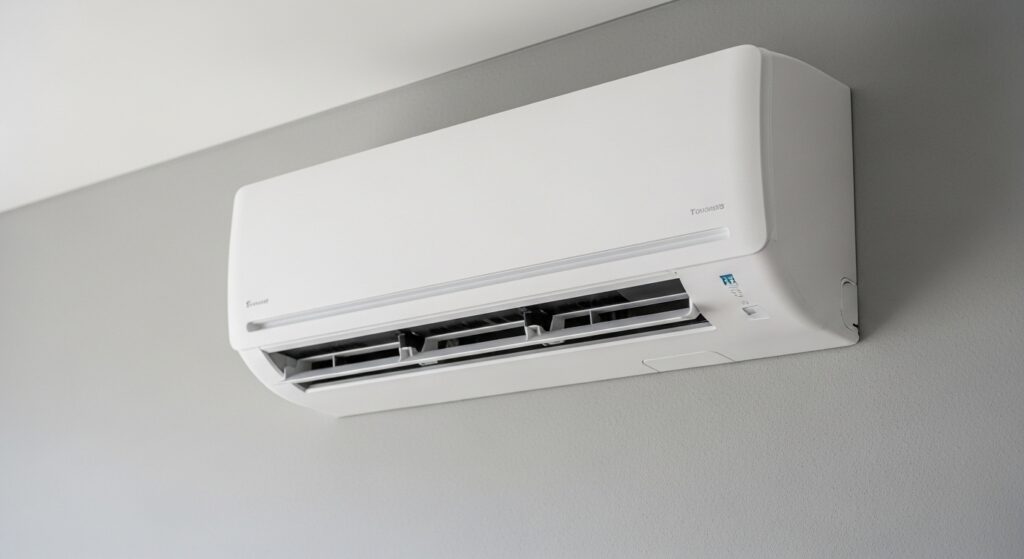
Commercial spaces in Skokie, Illinois range from storefronts and restaurants to offices, medical suites, and light industrial facilities. Each building type has unique cooling demands, ventilation needs, and code obligations. A successful commercial air conditioning installation aligns mechanical design with occupancy, process loads, and future growth while staying compliant with local permitting and inspection requirements. This guide outlines core requirements, best practices, and coordination tips that keep projects predictable and comfortable. For foundational insights into craft and commissioning fundamentals, consult a trusted primer on professional air conditioning installation so your team can benchmark quality from the start.
Defining the Design Criteria
Every commercial HVAC project begins with a needs analysis. Consider occupancy density, internal heat gains from lighting and equipment, hours of operation, ventilation codes, and special conditions such as kitchens, labs, or server rooms. Load calculations should follow recognized methods and account for envelope performance, glazing, and infiltration. Oversizing can be as harmful as undersizing; it disrupts humidity control and reduces part-load efficiency.
Equipment Selection and Configuration
- Rooftop units and split systems: Choose configurations that match structural capacity and service access. Roof placement requires attention to weight distribution, curb flashing, and safe maintenance paths.
- Variable refrigerant flow (VRF): Multi-zone flexibility and part-load efficiency make VRF attractive for offices and mixed-use spaces. Design must consider refrigerant volume limits and manufacturer safety guidelines.
- Dedicated outdoor air systems (DOAS): Pairing DOAS with sensible cooling units maintains ventilation independently, improving control and indoor air quality.
- Controls integration: Open protocols or proprietary systems must align with building automation goals. Trending and alarms support proactive maintenance.
Ventilation, Filtration, and Indoor Air Quality
Code-driven ventilation rates aim to dilute indoor pollutants and support occupant health. In practice, a balanced strategy that manages outdoor air, filtration, and humidity is essential. High-MERV filtration captures fine particulates but must be sized to avoid excessive pressure drop. In humid weather, decoupling ventilation and dehumidification can keep conditions stable across varied occupancies and schedules.
Duct Design, Acoustics, and Air Distribution
Commercial ducts should be sized and sealed to maintain target static pressure and airflow to each zone. Diffuser selection affects throw patterns, noise, and comfort. Sound attenuation may be necessary in conference rooms or patient areas. Locate mechanical equipment and duct runs to minimize vibration transmission into quiet spaces, and design return pathways that prevent pressure imbalances between rooms.
Electrical, Controls, and Life Safety
Commercial installations demand careful coordination among trades. Verify dedicated circuits, breaker sizing, and labeling for each unit. Ensure lockout-tagout provisions, outdoor disconnects at rated capacities, and code-compliant conduit and wiring methods. Controls should include emergency shutoff capabilities where required and integrate with smoke control or fire alarm systems per code and engineer specification.
Permitting and Inspections in Skokie
Skokie’s permitting process helps guarantee safe, durable installations. Submit mechanical and electrical plans that reflect equipment data, duct layouts, curb details, and electrical one-lines. Expect inspections to verify structural supports, curb sealing, refrigerant line routing, condensate management, electrical protection, and control functionality. Documentation of commissioning and balancing expedites approvals and reduces callbacks.
Commissioning and Testing, Adjusting, Balancing
Formal commissioning validates performance against design intent. This includes verifying economizer operation, setting ventilation rates, confirming supply air temperatures, measuring static pressure, and ensuring controls sequences function as programmed. Testing, adjusting, and balancing aligns airflow with zone demands and diffuser selection. Trend logs from the building automation system reveal operational stability and support fine-tuning.
Occupant Comfort and Zoning Strategy
People perceive comfort differently in open offices, private rooms, and high-traffic areas. Zoning, variable-speed fans, and demand-controlled ventilation help match cooling to real-time needs. For restaurants and retail, entry vestibules, air curtains, and balanced makeup air reduce drafts and support consistent temperatures near doors and windows. Plan zoning with tenant turnover in mind so spaces can be reconfigured with minimal mechanical changes.
Access, Maintainability, and Reliability
Service access is more than a convenience; it is a requirement for uptime. Provide safe roof access, code-compliant clearance around units, and lighting for mechanical rooms. Specify corrosion-resistant fasteners and weatherproofing for rooftop equipment. Document filter sizes, belt types, and part numbers in an operations and maintenance manual so facility teams can service units efficiently.
Noise, Vibration, and Neighbor Considerations
Commercial condensers and rooftop units must comply with local noise expectations. Use vibration isolators, flexible duct connectors, and acoustic lining where appropriate. Locate equipment away from residential facades or sensitive neighbors when possible, and ensure exhaust and intake air streams do not conflict with each other or with outdoor seating and pedestrian areas.
Project Scheduling and Coordination
Coordinate crane lifts, street permits, and tenant schedules to minimize disruption. Sequence electrical and controls rough-ins before equipment arrival. Confirm roof curb fabrication and flashing details well ahead of installation day. A clear schedule with hold points for inspections and commissioning keeps stakeholders aligned and reduces rework.
Energy Strategy and Future Readiness
Commercial HVAC is a long-term infrastructure decision. Select equipment with part-load efficiency and controls that support demand response or future integration with building analytics. Consider metering key variables—energy use, supply air temperature, and static pressure—so the system can be tuned as occupancy and usage patterns evolve.
Documentation and Turnover
At project closeout, deliver as-built drawings, submittals, O&M manuals, and commissioning reports. Train facility staff on controls, maintenance routines, and alarm handling. Establish a seasonal checklist for filters, belts, coil cleaning, and setpoint verification. Clear turnover reduces learning curves and protects comfort during peak seasons.
Frequently Asked Questions
Q: What is the most common commercial design mistake? A: Overlooking ventilation and humidity control. Matching sensible cooling to proper outdoor air management prevents complaints and mold risks.
Q: How do I plan for tenant changes? A: Use modular zoning, accessible ducts, and controls that can be reprogrammed as space plans shift. Keep spare capacity and pathways in mind.
Q: Are rooftop units or VRF better? A: It depends on building type, zoning needs, structural limits, and maintenance preferences. Both can perform well when correctly designed and commissioned.
Q: What documentation should I require? A: Load calculations, equipment submittals, electrical one-lines, duct layouts, commissioning plans, and TAB reports are standard for a quality project.
Q: How do I keep noise down? A: Choose appropriate diffusers, add sound attenuation where needed, isolate equipment, and avoid placing loud units near sensitive areas.
Move Your Skokie Project Forward
Define your design criteria, coordinate early with trades, and insist on commissioning and TAB before occupancy. With a structured plan and clear documentation, comfort and reliability come naturally. To align your team around proven practices, review a comprehensive overview of air conditioning installation and set quality benchmarks that carry from submittals through final handoff.