DIY AC Troubleshooting in Skokie: Practical Steps to Restore Cool Comfort
When your air conditioner struggles on a humid Skokie afternoon, fast troubleshooting can mean the difference between a quick fix and a hot, uncomfortable evening. The goal of DIY diagnostics is not to replace professional service but to rule out simple issues, improve airflow, and document what you observe so a technician can help faster if needed. If you decide you need a professional after your checks, it is easy to compare local availability by starting a search for HVAC near me and selecting a nearby team familiar with our climate.
Use the steps below to evaluate thermostat settings, power supply, filters, coils, drainage, and airflow. You will also learn when to stop and call a professional to protect your safety and prevent further damage.
Safety First
Before opening panels or touching equipment, turn power off at the thermostat and, if necessary, at the breaker. Never bypass safety switches. If you smell burning, see smoke, or notice water near electrical components, stop and contact a professional.
Step 1: Thermostat and Settings
Start with the simplest checks. Verify the thermostat is set to Cool and the temperature is lower than the room reading. If the display is dim or unresponsive, replace the batteries. Confirm any schedules are correct, especially after a power outage that might reset settings. If you recently changed the thermostat, double-check wiring per the manufacturer’s guide.
Step 2: Power and Breakers
Go to the electrical panel and look for a tripped breaker for the air conditioning or air handler. Reset once if needed. Some outdoor units also have a disconnect box; ensure it is fully seated. If the breaker trips again, do not force it—this may indicate an electrical fault that requires professional diagnostics.
Step 3: Air Filter and Vents
A clogged filter is one of the most common causes of poor cooling and short cycling. Remove the filter and inspect it against the light. If it looks dark and dense with dust, replace it. Make sure supply registers and the return grille are open and unobstructed by furniture or curtains. Balanced airflow protects the blower motor, reduces coil icing, and supports even temperatures.
Step 4: Outdoor Unit Check
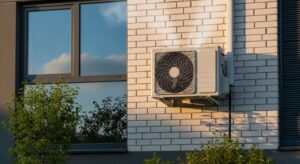
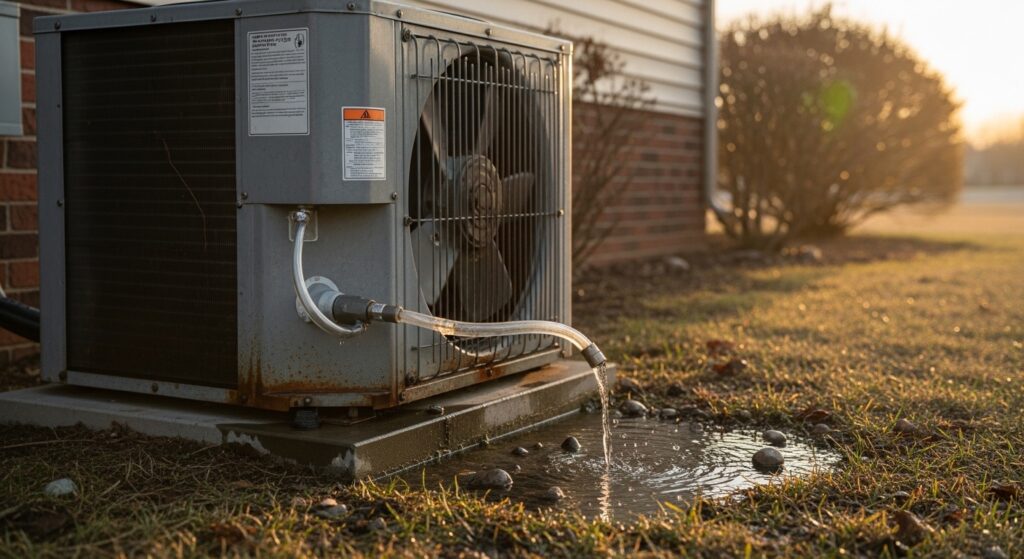
Head outside and inspect the condenser. Clear leaves, cottonwood, and debris from the fins and the area around the unit. Maintain a two-foot clearance on all sides. With power on and a call for cooling, confirm that the outdoor fan runs and that air blows upward. If the fan hums but does not spin, turn power off and wait for a professional.
Step 5: Indoor Air Handler and Coils
If airflow feels weak or you suspect icing, remove the filter and look for frost on the refrigerant lines or coil area. Ice indicates restricted airflow or refrigerant issues. Turn the system off and run the fan only to thaw the coil. After thawing, replace the filter and try a cooling cycle again. If icing returns, schedule service.
Step 6: Condensate Drain Line
A clogged drain can trigger a float switch that shuts down cooling to prevent water damage. Locate the drain line near the indoor unit and check for blockages. If you see standing water in the pan, power down the system and clear the clog using safe methods recommended by your system’s manufacturer. Verify that water flows freely when cooling resumes.
Step 7: Airflow Balance Around the Home
Walk room to room and assess supply airflow. If certain rooms are consistently warmer, check for closed or blocked registers. In multi-story homes, warm air rises; slight temperature differences are normal, but large disparities may indicate duct issues or a failing blower. Note your observations for the technician.
Step 8: Listen for Unusual Noises
Sounds tell a story. Rattles can point to loose panels or fasteners, screeches may indicate motor or belt issues, and clicks or rapid cycling can suggest electrical problems. Record short clips with your phone to share during a service call.
Step 9: Evaluate Humidity
High humidity can make normal temperatures feel uncomfortable. If your home feels sticky, verify longer, steady cooling cycles rather than frequent short bursts. Avoid setting the thermostat too low to force rapid cooling; this can increase short cycling and reduce dehumidification.
When to Call a Professional
DIY steps are most effective for airflow and basic control issues. If you encounter repeated breaker trips, visible arcing, persistent icing after a clean filter, or a fan that will not start, stop and schedule service. Provide your notes, filter changes, and any photos or videos to speed diagnosis.
Preventive Habits for Fewer Breakdowns
Once your system is running smoothly again, adopt simple habits that protect performance:
- Replace filters on schedule, and more frequently if you have pets or recent renovations.
- Keep at least two feet of clearance around the outdoor unit.
- Use consistent thermostat schedules to avoid extreme swings.
- Seal air leaks around doors, windows, and attic access to reduce cooling load.
Skokie-Specific Tips
Our area’s summer humidity and periodic cottonwood blooms can clog outdoor coils quickly. During peak seasons, add a quick visual check of the condenser fins to your weekly routine. Pollen and dust also challenge indoor filters; check them more often if family members have allergies.
Documenting Issues for Faster Repairs
Good notes make for efficient service calls. Track when problems occur, how long cycles last, the sounds you hear, and any error codes on your thermostat. If a problem appears only during certain times of day, note that pattern as well.
Frequently Asked Questions
Q: Why does my AC run but not cool enough? A: Start with the filter, outdoor airflow, and thermostat settings. If these are fine, icing, refrigerant issues, or duct problems may be involved.
Q: Is it okay to hose off the outdoor coil? A: With power off, a gentle rinse from the inside out can help, but avoid high pressure that can bend fins. When in doubt, schedule a professional cleaning.
Q: My system short cycles. What should I check? A: Replace a dirty filter, confirm thermostat settings, and look for icing. If short cycling continues, call a professional.
Q: Why is there water near my indoor unit? A: A clogged condensate drain or a full pan may have triggered a safety switch. Clear the blockage and confirm proper drainage before restarting cooling.
Q: How often should I schedule maintenance? A: At least once per cooling season, with additional checks if you have heavy use, pets, or ongoing air quality concerns.
Ready to Get Your AC Back on Track?
Thoughtful DIY steps can restore cooling quickly and set the stage for an efficient service visit when needed. If your checks point to an issue beyond basic maintenance, schedule help with a responsive local expert by searching for HVAC near me. With prompt attention and good habits, you can stay comfortable through every warm Skokie day.