Step-by-Step Guide to AC Repair for Skokie Homeowners
A calm, structured approach can turn a stressful cooling outage into a manageable checklist. This step-by-step guide walks you through safe homeowner actions, what to expect from a technician, and how to keep your system reliable after the fix. If you prefer professional support at any point, schedule dependable air conditioning repair so a qualified expert can restore comfort quickly and correctly.
Always prioritize safety. If you notice burning smells, see smoke, or experience repeated breaker trips, turn the system off immediately. If the evaporator coil has iced over, switch the thermostat fan to On to thaw the ice before restarting. Have your equipment manuals available and keep the area around your indoor and outdoor units clear for easy access.
Step 1: Confirm the Call for Cooling
- Set the thermostat to Cool and Auto. Lower the temperature several degrees below the room temperature.
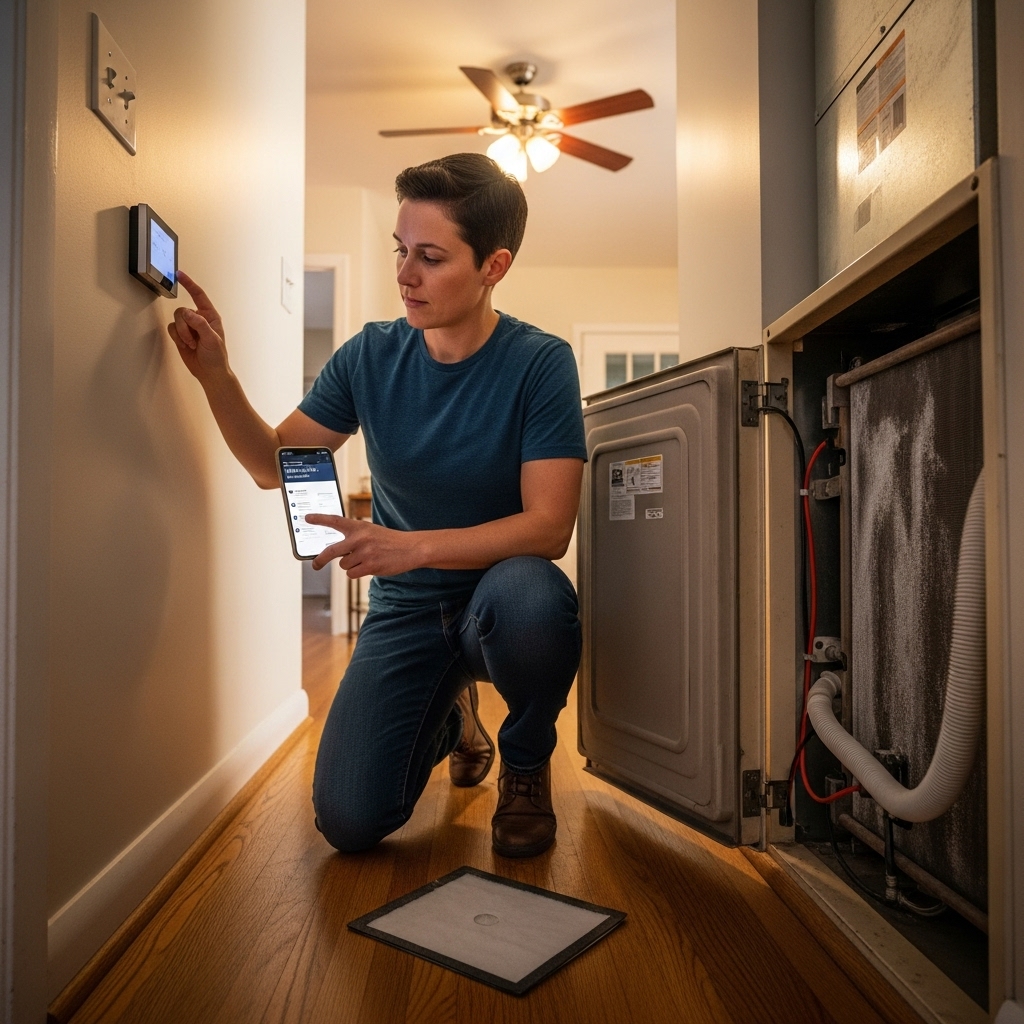
- Check for a blank thermostat screen. Replace batteries if applicable and verify the furnace service switch is on.
- Ensure the outdoor disconnect is in place and the breaker is not tripped.
Step 2: Verify Airflow
- Replace a dirty filter immediately; reduced airflow strains the system and can cause freeze-ups.
- Open all supply registers and make sure return grilles are not blocked by furniture or rugs.
- Inspect visible ductwork for disconnected joints or crushed sections in attics and basements.
Step 3: Check the Outdoor Unit
- Clear debris, leaves, and cottonwood fluff from around the condenser; maintain 2 feet of clearance.
- Listen for the fan and compressor. If the compressor hums but the fan does not spin, a failed capacitor or motor could be the issue.
- Note any buzzing, rattling, or clicking noises that can guide a technician.
Step 4: Condensate and Moisture Control
- Look for standing water near the furnace or air handler.
- If accessible, inspect the condensate line’s cleanout and ensure the trap is intact.
- Place a tray or towels if a slow leak is present and shut the system off until cleared to avoid damage.
Step 5: Measure Performance
Use a basic thermometer to check the return temperature and the nearest supply register. A normal cooling split is typically 16 to 22 degrees Fahrenheit. A smaller difference can point to charge or airflow problems, while an unusually large difference may indicate restrictions or a dirty coil.
Step 6: Decide Between DIY and Professional Repair
Homeowners can safely replace filters, clear debris, and sometimes vacuum a condensate line from the outside. Electrical testing, refrigerant diagnosis, and motor replacement require a trained technician with proper tools and certifications. If your observations suggest electrical or refrigerant issues, schedule professional air conditioning repair to protect your equipment and avoid repeat failures.
What a Technician Does During a Professional Visit
- Safety assessment and power verification.
- Static pressure measurement to evaluate ductwork performance.
- Blower inspection and cleaning as needed.
- Capacitor testing, contactor inspection, and electrical tightening.
- Refrigerant pressure and temperature checks to confirm charge and metering.
- Condensate line clearing and treatment to prevent future clogs.
Skokie Conditions to Keep in Mind
Humidity spikes can make an otherwise functional system feel weak. Afternoon sun on west-facing rooms adds heat load, while cottonwood season quickly coats outdoor coils. If your home has an addition or finished attic, duct balancing may be necessary to deliver even cooling. Share these details with your technician; local context speeds up accurate diagnosis.
Preventive Steps After the Repair
- Set calendar reminders for filter changes based on your filter type and household activity.
- Keep vegetation trimmed back from the outdoor unit throughout summer.
- Treat the condensate line at the start of the season to discourage algae growth.
- Have a spring tune-up to catch weak components before peak loads arrive.
Improving Comfort Beyond the Repair
Consider enhancements that stabilize temperature and reduce humidity. Additional return air capacity lowers static pressure and improves system efficiency. A whole-house dehumidifier can ease the AC’s workload. Smart thermostat features, when configured correctly, can manage staging and fan settings to reduce short cycling and maintain comfort more evenly.
Signs You Should Shut the System Down
- Burning odors, visible smoke, or repeated breaker trips.
- Ice on refrigerant lines or the indoor coil that returns soon after thawing.
- Active water leaks near finished spaces.
- Extreme grinding or screeching noises from the blower or outdoor fan.
Documentation for Peace of Mind
Ask for a written summary of diagnostics, measurements like temperature split and static pressure, and photos of any replaced parts. Keep these with your equipment manual. Good records protect manufacturer warranties and help the next technician understand your system’s history quickly.
FAQ
Q: How long should my AC run before I measure temperature split? A: Let it run 10 to 15 minutes under steady conditions for a reliable reading.
Q: My thermostat is new but the system still short cycles. Why? A: Short cycling can result from airflow restrictions, improper sizing, or control settings. A professional can measure static pressure and adjust settings or ductwork as needed.
Q: The outdoor unit runs but indoor air is warm. A: Check the blower operation, filter, and coil. A failed indoor blower or a tripped float switch can cause warm airflow.
Q: Is coil cleaning a DIY job? A: Light rinsing of the outdoor coil is fine. Deep cleaning, especially indoors, is best left to a professional to avoid damage.
Q: Should I cover my AC in the off-season? A: A top cover to keep debris out is fine, but avoid wrapping the entire unit tightly, which can trap moisture.
Q: Can high humidity alone make the house feel hot? A: Yes. If the thermostat reads target temperature but the home feels sticky, discuss dehumidification and airflow with a technician.
Restore Comfort the Right Way
When home checks point to a problem that needs expert attention, arrange professional air conditioning repair. With a clear process, skilled diagnostics, and preventive guidance, you will get fast relief and a reliable plan to keep your Skokie home comfortable through every heat wave.


