24/7 Emergency Air Conditioning Repair for Skokie Homes
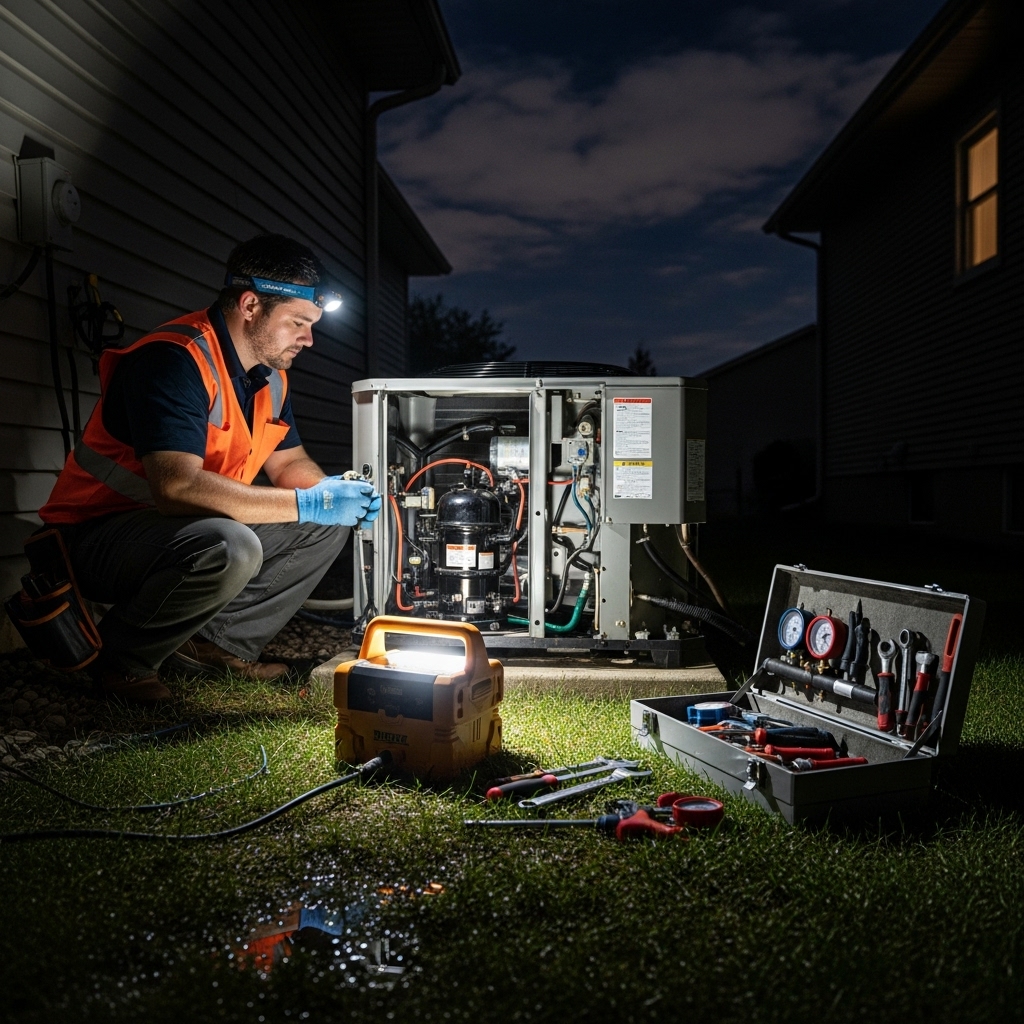
When your AC fails during a hot, humid night or a holiday weekend, the right response is swift, safe, and focused on preventing damage. Around-the-clock help ensures you are not left waiting until business hours while the temperature rises. In an emergency, call a local professional for immediate air conditioning repair so your home can return to a safe, comfortable temperature without risking further equipment failure.
Skokie’s climate can push systems to their limits, especially during multi-day heat waves when air conditioners run nearly nonstop. Electrical storms, sudden power outages, and long compressor cycles increase the chance of component stress. An emergency service team is prepared to stabilize your system at all hours with the tools and parts needed for the most common failures.
What Counts as an AC Emergency?
- No cooling during a heat advisory, especially if infants, older adults, or health-sensitive individuals are in the home.
- Repeated breaker trips or burning odors indicating an electrical hazard.
- Active water leaks near the furnace or air handler that could damage finished spaces.
- Loud screeching, grinding, or smoking components suggesting imminent failure.
- Frozen coils with ice buildup that reappears shortly after thawing.
Immediate Safety Steps Before Help Arrives
- Turn the system off if you smell burning, see smoke, or the breaker trips repeatedly.
- Switch the thermostat fan to On if the indoor coil is iced; this helps thaw the system while you wait.
- Clear the area around the indoor unit and outdoor condenser for quick access.
- Place towels or a shallow tray near the condensate line if you observe leaking.
- Document thermostat readings, error codes, and any noises to guide the technician.
Common After-Hours Failures and Fast Fixes
Some emergencies have quick, effective remedies. A failed capacitor can be replaced rapidly to get your compressor or blower running again. A clogged condensate line can often be cleared and treated to stop a leak. Loose high-voltage connections, especially after a storm, can be tightened and tested, while damaged contactors can be swapped to restore reliable starting. If refrigerant loss is suspected, the technician will stabilize the system, identify leak points where possible, and outline next steps that protect your compressor.
Why Local 24/7 Support Matters in Skokie
Local pros know the area’s housing stock and can anticipate site-specific challenges. From alley-access condensing units to finished basements with tight mechanical rooms, the right technician arrives prepared with compact tools, wet/dry vacuums for condensate emergencies, and a stocked assortment of electrical components. Familiarity with neighborhoods and traffic patterns also helps a 24/7 team reach you quickly when minutes matter for comfort and safety.
Stabilizing the System Versus Full Repair
An emergency visit focuses first on stabilization—making the system safe and restoring cooling if possible. In many cases, full repair is completed on the spot. When specialized parts or extensive leak detection are required, the technician will provide a clear plan for follow-up, including interim steps that keep the system safe overnight. Transparent communication ensures you understand the risks and the timeline to bring your equipment back to full health.
Managing Humidity During an Outage
High humidity increases discomfort and can cause condensation on cool surfaces. Use fans to circulate air, open interior doors to even out conditions, and limit activities that add moisture such as long showers and boiling pots. In basements, a dehumidifier reduces stress on the AC after it is repaired and keeps the space more comfortable while you wait. Your technician can also evaluate whether your current system is correctly sized and set up to handle latent loads during peak humidity.
How Emergency Diagnostics Work
After confirming safe operation, the technician will test line voltage, start and run capacitors, compressor amperage, and fan motors. They will check the contactor for pitting, inspect the blower wheel for buildup, clear condensate obstructions, and measure temperature split to confirm cooling performance. If conditions allow, they will assess refrigerant pressures and evaluate superheat and subcooling to identify charge problems. Every step is documented so you know precisely what was found and how it was addressed.
Preventing Repeat Emergencies
- Change filters on schedule to protect airflow and keep coils clean.
- Trim vegetation around the outdoor unit for proper ventilation.
- Install surge protection to guard sensitive electronics and compressors.
- Keep return grilles clear of furniture and drapes.
- Schedule seasonal tune-ups to catch failing components early.
Fast Communication and Realistic Timelines
In a true emergency, you deserve quick confirmation and realistic expectations. A 24/7 provider will offer a clear arrival window, notify you of any delays, and explain whether the fix will be immediate or staged. If backup cooling is necessary, they can recommend temporary measures to protect your household through the night. Open communication ensures you are never guessing about what comes next.
Coordinating With Older and Newer Systems
Skokie homes include a mix of legacy equipment and modern, high-efficiency systems. Emergency technicians are trained to work across brands and vintages, adapting their approach to match older control boards or the advanced diagnostics built into current variable-speed models. If your system is under warranty, documentation from the emergency visit helps protect benefits and create a clear service record for future maintenance.
When to Request Follow-Up Service
After the immediate crisis is resolved, it is wise to schedule a focused follow-up to verify charge, check for slow leaks, and confirm proper airflow under normal daytime loads. If the system iced up during the emergency, an additional inspection ensures coils are clean, ducts are balanced, and the thermostat is calibrated. Planning ahead helps you avoid a second urgent call during the next heat wave. If you need more thorough work, arrange mid-week air conditioning repair with a convenient time window and a list of any parts that may be needed.
FAQs
Q: What should I do if my breaker trips when the AC starts? A: Do not reset multiple times. Turn the system off and call for emergency help. Multiple resets can mask a dangerous fault.
Q: Can ice on the outdoor unit be an emergency? A: Yes, ice indicates a serious airflow or refrigerant issue. Shut the system off and run the fan to thaw, then schedule service.
Q: My thermostat is blank. Is that an after-hours issue? A: It can be, especially in extreme heat. Check the furnace switch and service switch, then call if the display does not return.
Q: How long do emergency visits usually take? A: Stabilization and common part replacements are often completed within a single visit. Complex refrigerant diagnostics or specialty parts may require a follow-up.
Q: What information helps the technician arrive prepared? A: Share your system brand and model if you have it, describe symptoms, and note any recent electrical storms or power outages.
Q: Will emergency work void my warranty? A: Proper documentation preserves coverage. Always ask for details in writing and keep records with your equipment manual.
Get Emergency Help Now
Do not wait through the heat. For immediate relief and reliable results, contact a local expert for 24/7 air conditioning repair. A trained technician can stabilize your system, restore cooling safely, and help you prevent the next outage with practical, homeowner-friendly steps.


