Introduction: Local Help When Your Cooling Fails
When your home in Skokie heats up on a muggy afternoon, nothing feels more urgent than getting fast, dependable cooling back on line. Whether you live near Oakton Street, down by downtown Skokie, or in a quiet residential pocket, a trusted neighborhood professional can make all the difference. If your system is short cycling, producing weak airflow, or refusing to turn on, a nearby specialist can diagnose the problem accurately and restore comfort without delay. Many households prefer to work with local providers familiar with Chicago’s North Shore climate and common equipment brands, because those teams bring targeted expertise, faster arrivals, and better follow-up. If you are exploring your best options for air conditioning repair, this guide explains what to expect, how to prepare your home, and ways to keep your system running smoothly all season long.
Skokie’s summer weather can swing from balmy to steamy within a day, stressing air conditioners that have not been tuned up. When humidity spikes, your AC not only cools the air but also dehumidifies it, which adds to the workload and can expose underlying issues in airflow, drainage, or refrigerant charge. A careful assessment by a nearby technician helps ensure you address the root cause, not just the symptoms. The sooner you act, the more likely you are to avoid further damage and enjoy steady, efficient performance.
Understanding Skokie Homes and Typical AC Setups
Skokie features a mix of post-war homes, updated bungalows, townhomes, and newer construction. The diversity of building styles means you will find a wide range of cooling equipment: traditional split systems with outdoor condensers, air handlers paired with gas furnaces, heat pumps, ductless mini-splits, and packaged units in multi-family buildings. A local technician is often familiar with these configurations, common retrofits, and how local housing stock affects airflow and duct layout. That familiarity speeds up troubleshooting and ensures the solution fits the reality of your property rather than assuming a one-size-fits-all approach.
In older homes, ductwork may be undersized for modern high-efficiency equipment, causing uncomfortable temperature differences from room to room. In more recent builds, zoning dampers or smart thermostats might add complexity. Some homes rely on attic or crawlspace ducts that are susceptible to heat gain or air leaks. These details matter because the best repair addresses both the immediate fault and any contributing airflow or control issues that degrade comfort and energy efficiency. When you call someone nearby, they likely have handled similar challenges in your neighborhood and know what to look for first.
Common AC Problems and What They Mean
Air conditioners fail for a variety of reasons, but a handful of issues account for most service calls. Recognizing the signs can help you describe the problem clearly when scheduling, which often leads to a quicker, more precise fix.
- No cool air or warm air from vents: This can indicate thermostat misconfiguration, a tripped breaker, a failed capacitor, a worn contactor, or a compressor problem. Sometimes it’s as simple as a clogged air filter choking airflow to the evaporator coil.
- Short cycling: Frequent starts and stops may result from an oversized system, a failing sensor, refrigerant problems, or restricted airflow. Short cycling adds stress to components and increases your energy usage.
- Water near the indoor unit: Condensate drain clogs are common during humid spells. A blocked drain line can trigger float switches or cause water to overflow near the air handler.
- Ice on the refrigerant lines or evaporator coil: Ice suggests airflow issues, low refrigerant, or incorrect blower speed. It is important to power the system off and allow it to thaw before a technician arrives.
- Unusual noises: Rattling, buzzing, or grinding can indicate loose hardware, electrical issues, or a failing motor or fan blade. It’s wise to turn the system off to prevent further damage.
- High humidity indoors: Even if the air feels cool, poor moisture removal points to airflow imbalances, control settings, or a system not running long enough to dehumidify properly.
While some problems are minor, ignoring them can let a small inconvenience escalate to a larger repair. Early diagnosis protects your comfort and the lifespan of your equipment.
What to Expect From a Nearby Technician
Working with a local professional should feel straightforward from the first call through the final test run. Clear communication and systematic steps make the experience predictable and stress-free.
- Initial conversation: You describe symptoms, thermostat settings, any noises or smells, and when the problem began. You will likely be asked to check your filter, breaker, and thermostat mode. Sharing model information helps the technician bring the right parts.
- Arrival and safety check: The technician verifies power is off before opening panels, confirms equipment location, and protects floors or walls in the work area.
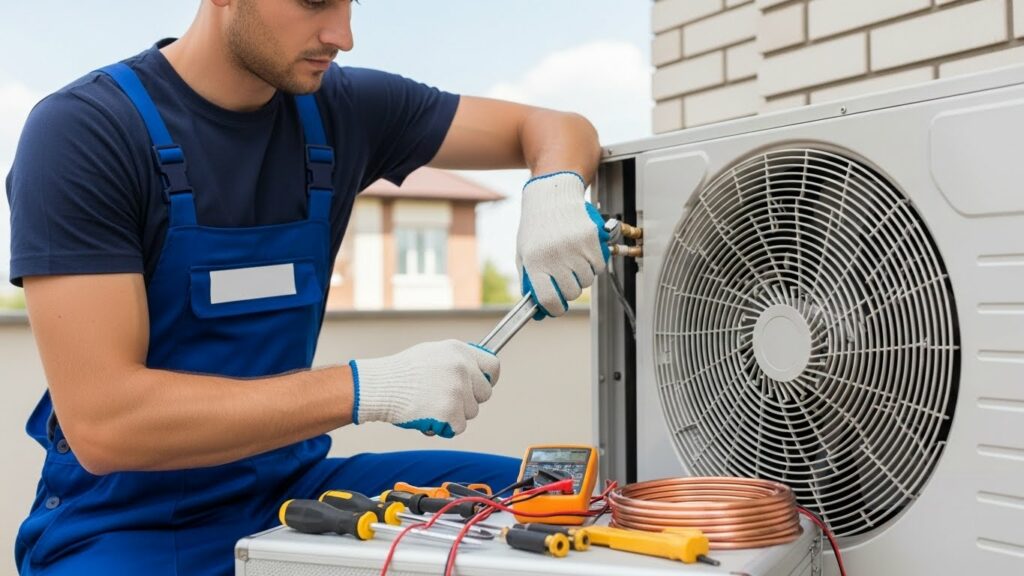
- Diagnostics: Using meters and gauges, they test capacitors, contactors, motors, and measure refrigerant pressures and temperatures. They inspect the blower, evaporator coil, outdoor condenser, and condensate drainage.
- Root-cause explanation: You receive a clear summary of findings, including any contributing factors such as blocked return vents, damaged ductwork, or thermostat placement.
- Repair and validation: Components are replaced or adjusted as needed, connections tightened, and refrigerant properly managed. The technician measures performance to ensure the system meets expected targets.
- Maintenance recommendations: You get guidance on filter changes, coil cleaning intervals, and any airflow or control improvements appropriate for your home.
A dependable local team stands behind their work and remains available for follow-up questions. They also know how seasonal conditions in Skokie affect cooling performance and can recommend practical steps to reduce strain during humid spells.
Preventive Maintenance Tips for Skokie Residents
Regular upkeep is the most reliable way to minimize breakdowns, keep energy consumption in check, and extend the life of your equipment. The best part is that many steps are simple and do not require specialty tools.
- Change or clean your air filter based on its rating and household conditions. During heavy use, monthly checks are wise, especially if you have pets or are near construction.
- Keep supply and return vents unblocked. Furniture or rugs restricting airflow force the system to work harder and can contribute to coil icing.
- Clear vegetation from the outdoor condenser. Leave at least two feet of clearance for proper heat rejection. Gently rinse coils with a garden hose when the unit is off to remove debris.
- Set reasonable temperature targets. Letting the setpoint drift a couple of degrees when you are away reduces runtime and humidity load without sacrificing comfort.
- Use ceiling fans to enhance perceived cooling. Fans do not lower the temperature, but they improve air movement and can make slightly higher setpoints feel comfortable.
- Schedule an annual tune-up before peak heat. A professional inspection catches small issues early and verifies safe, efficient operation.
Staying proactive helps your system perform at its best when you need it most. In older homes or those with new additions, an airflow assessment might be appropriate to ensure duct sizing and balancing match your current equipment.
Signs You Should Call for Service Today
Some symptoms signal that waiting could worsen damage or risk comfort and indoor conditions. Acting promptly can save time and protect your home.
- Warm air, no airflow, or a system that will not start after basic checks.
- Visible ice on the lines or coil, or water near the air handler.
- Burning smells, electrical buzzing, or loud grinding.
- Breaker tripping multiple times when the system starts.
- Humidity staying high despite long runtimes.
If you encounter any of these issues, shut the system down and schedule service. A nearby technician can support you quickly and prevent small faults from becoming major failures.
Choosing a Reputable Local Company
Selecting the right partner starts with clarity. Look for providers that explain their diagnostic process, share what they find, and describe the repair in everyday language. Local teams who handle a steady volume of Skokie calls know how older duct layouts interact with modern equipment and can recommend sensible improvements. When you evaluate options for air conditioning repair, consider experience with your brand, responsiveness during peak heat, and whether the company documents test results and offers post-repair support.
Reviews can reveal how a company treats its customers, but also ask neighbors about their experiences. Pay attention to how scheduling is handled, the professionalism of the technician on site, and whether the team respects your home. Clear communication and consistent follow-through are markers of a reliable partner, especially during the busiest weeks of summer.
The Repair Process: From Call to Comfort
Once your appointment is set, a little preparation helps your visit go smoothly. Make sure the technician can access your thermostat, indoor unit, and outdoor condenser. Move pets to a quiet area and clear items that block access panels or utility closets. If there is a history of past repairs or unusual symptoms, jot down notes so nothing gets missed during the visit. After diagnostics, expect to hear what failed, what caused it, and how the repair will prevent recurrence. A quality technician will test the system under real operating conditions and confirm cooling, airflow, refrigerant balance, and drainage.
Following the repair, keep an eye on the system over the next day or two. If humidity feels high or the unit short cycles, note when it happens and whether it coincides with the time of day or weather patterns. This information can be valuable if a follow-up is needed to adjust blower speeds, thermostat settings, or address duct restrictions. Local experts aim to deliver not only a quick fix but also lasting comfort tailored to your home.
Energy and Comfort Upgrades to Consider
Repairing a fault is the first step; optimizing comfort is the long-term goal. Sometimes small upgrades produce outsized improvements. High-MERV filters can improve indoor air quality when paired with appropriate blower settings. Smart thermostats can refine schedules and humidity targets. If your home suffers from hot second floors or cold spots, a simple balancing adjustment or zoning review may even temperatures without replacing equipment. For older ductwork, sealing and insulation can reduce losses and improve the performance of your current system.
When your equipment nears the end of its service life, a thorough evaluation can identify whether a repair or replacement is the better value. The right local partner will guide you through the pros and cons, considering your home’s layout, comfort goals, and how you use your spaces throughout the day.
Frequently Asked Questions
Q: How quickly can a local technician arrive in Skokie during peak heat? A: Response times vary based on demand, but nearby teams can often offer faster windows because travel times are shorter and they schedule routes efficiently in your area.
Q: What should I check before calling for help? A: Confirm the thermostat is set to cool, the temperature setpoint is below room temperature, the breaker is on, and the air filter is clean. Make sure supply and return vents are open.
Q: Is it safe to run the system if I see ice on the lines? A: No. Turn the system off to prevent damage. Running with ice can strain the compressor. Allow the ice to melt and schedule service.
Q: Why does my AC run but the house still feels humid? A: Humidity control depends on runtime, airflow balance, and system sizing. A technician can evaluate blower speeds, duct restrictions, and control settings to improve moisture removal.
Q: Can a dirty outdoor unit really cause warm air? A: Yes. If the condenser coil is clogged with debris, the system struggles to reject heat, reducing cooling capacity. Gentle rinsing and professional cleaning restore performance.
Q: How often should I replace my filter? A: Check monthly during heavy use and replace as needed. The right interval depends on filter type, home occupancy, and indoor air quality goals.
Q: What brands do local technicians service? A: Most experienced teams service all major brands and are familiar with older models common in Skokie as well as newer high-efficiency units and heat pumps.
Q: Will a tune-up prevent every breakdown? A: While no maintenance plan can stop every unexpected failure, regular inspections significantly reduce the risk of mid-season issues and catch small problems early.
Schedule Reliable Repair in Skokie Today
When you want fast, knowledgeable help from a team familiar with Skokie homes, choose a local partner who communicates clearly, diagnoses thoroughly, and stands behind their work. From the first call to the final test run, you deserve a straightforward process and lasting comfort. If you are ready to restore cooling with confidence, schedule professional help through trusted air conditioning repair and enjoy a more comfortable home all summer.


